Meat is a staple in many diets around the world, valued for its protein, flavor, and cultural significance. However, not all meat products offer
the same level of quality or safety. Behind market stalls and restaurant kitchens, some sellers are surprisingly selective about what they eat
themselves. The reason is not superstition or rumor, but experience.
Based on food safety observations, processing practices, and long-term health considerations, there are certain types of meat that require
extra caution. Below are five kinds of meat that often raise concerns and are commonly avoided by people who work closely with them.
1. Meat of Unclear Origin
One of the biggest red flags in the meat trade is unknown sourcing. When meat is sold without clear information about where it came from,
how the animal was raised, or how it was transported, risks increase significantly.
Without proper traceability, consumers cannot know:
-
Whether the animal was healthy
-
If it was raised in sanitary conditions
-
Whether it received unauthorized substances
-
How long the meat has been stored
Sellers who handle large volumes of meat often know that unclear origin usually means shortcuts somewhere in the process. For this reason,
many prefer not to consume such products themselves, even if they are legally sold.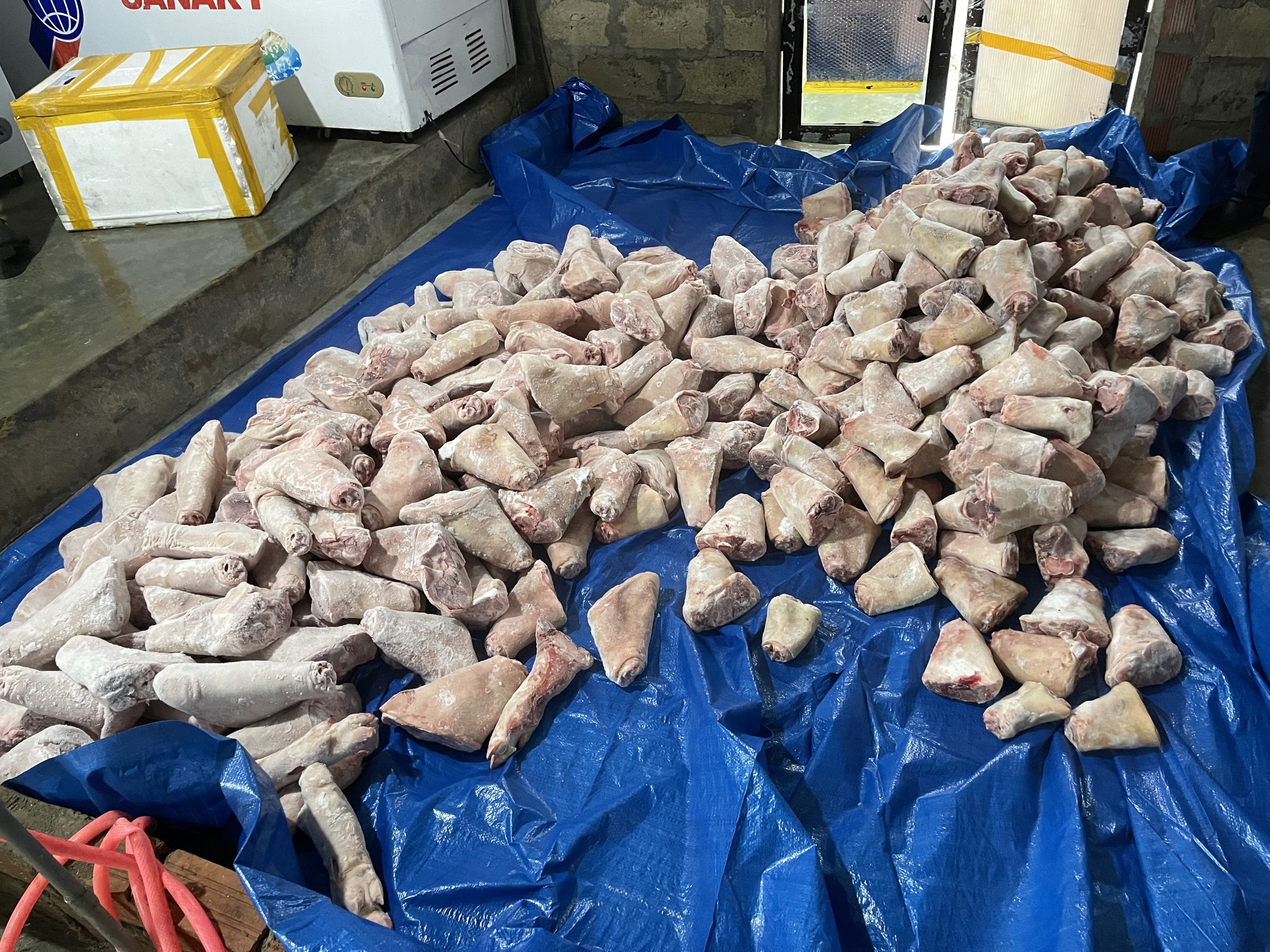
2. Meat Stored for Excessive Periods
Storage conditions play a critical role in meat quality. Even when refrigeration is available, extended storage can affect texture, nutritional
value, and overall safety.
Meat that has been frozen and thawed repeatedly, or kept in cold storage for too long, may:
-
Lose freshness and flavor
-
Develop structural breakdown
-
Become more vulnerable to bacterial growth once exposed to air
Experienced sellers can often identify this type of meat by smell, color, or texture. While it may still appear acceptable to buyers, insiders tend
to avoid it for personal consumption.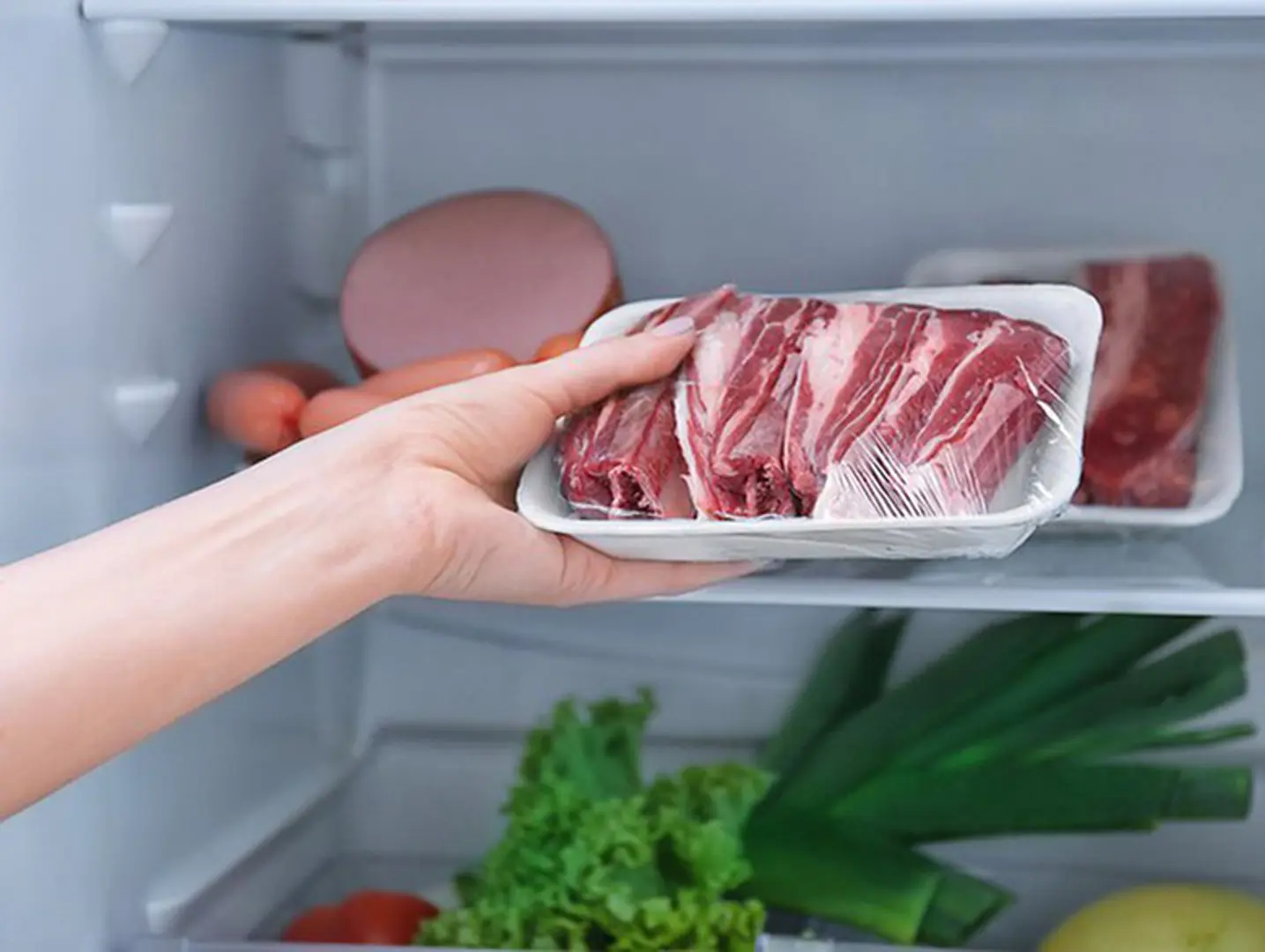
3. Processed Meat With Heavy Additives
Highly processed meat products are convenient and popular, but they often contain preservatives, coloring agents, and flavor enhancers
that are not meant for frequent intake.
Some processed meats rely on additives to:
-
Mask aging or low-quality raw materials
-
Extend shelf life beyond natural limits
-
Improve appearance rather than nutritional value
People in the trade understand that these products are designed for durability, not health. As a result, many sellers limit or completely avoid
eating them regularly.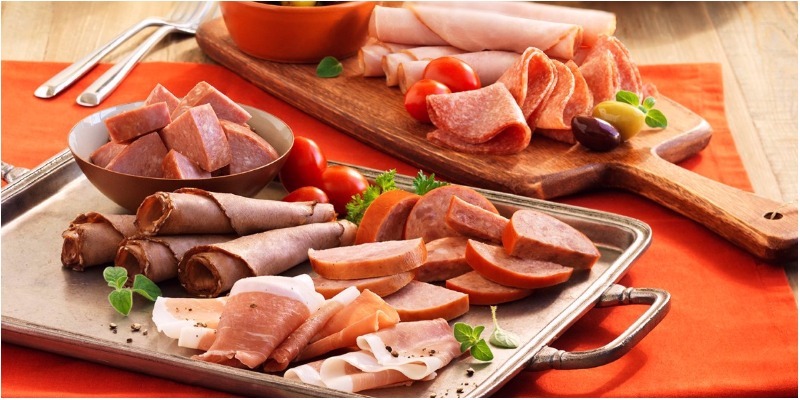
4. Meat From Animals Raised Too Quickly
In modern agriculture, speed often equals profit. Animals raised in unusually short cycles may be exposed to intensive feeding practices that
prioritize growth over balance.
This can lead to:
-
Poor muscle development
-
Higher fat-to-protein imbalance
-
Increased use of growth-supporting substances
While such meat may look appealing on the surface, sellers who are familiar with production timelines know that faster is not always better.
Many choose meat from slower, more traditional raising methods for their own meals.
5. Meat Showing Early Signs of Quality Loss
Not all quality issues are obvious. Some meat begins to lose integrity before it visibly spoils. Subtle signs include:
-
Unnatural color changes
-
Excess moisture or stickiness
-
Slightly off or metallic smells
Sellers who work with meat daily develop a strong instinct for these details. Even if the meat is still legally sellable, they often pass on eating it
themselves, choosing fresher alternatives instead.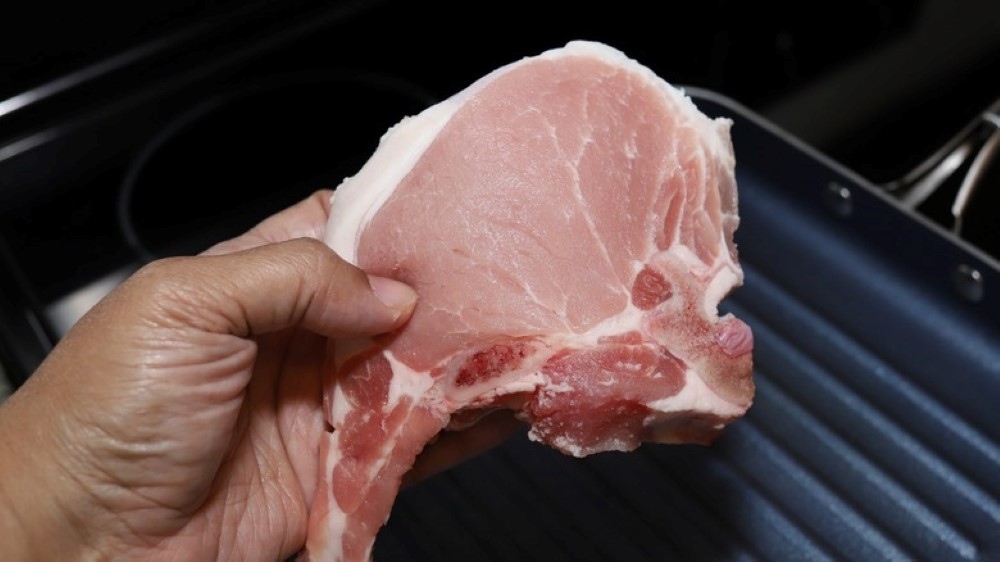
Why This Matters for Consumers
The key takeaway is not fear, but awareness. Most meat sold in markets meets basic safety standards, yet quality varies widely. Sellers tend to
know which products are best enjoyed immediately, which require careful cooking, and which are better avoided altogether.
Consumers can protect themselves by:
-
Buying from trusted sources
-
Asking about origin and storage
-
Choosing fresh over overly processed products
-
Paying attention to smell, color, and texture
Informed choices lead to better meals and long-term well-being.
Final Thoughts
Food decisions are deeply personal, but knowledge makes them smarter. When people closest to the supply chain quietly avoid certain
products, it is worth paying attention. Choosing quality meat is not about luxury - it is about care, balance, and respect for what we put into
our bodies.
Eating well starts with knowing what to choose, and sometimes, what to leave behind.