Snakes can be an unsettling presence around the home, especially for people living near fields, forests, gardens, or undeveloped land. Even in
suburban areas, snakes may wander into yards in search of food, shelter, or warmth. While most snakes are not aggressive, unexpected
encounters can cause fear and, in rare cases, danger.
Many homeowners assume that dealing with snakes requires harsh chemicals or professional intervention. However, there are natural, non-
harmful ways to discourage snakes from entering your space. One of the most effective methods involves using scents that snakes find
unpleasant. Because snakes rely heavily on their sense of smell to navigate their environment, certain odors can irritate or overwhelm their
sensory system, causing them to avoid those areas altogether.
Below are seven scents that snakes are known to dislike, along with practical ways to use them safely around your home.
Cinnamon
Cinnamon has a strong, sharp aroma that many people find comforting, but snakes find irritating. The intensity of its scent can disrupt their
ability to detect prey or navigate comfortably.
To use cinnamon as a snake deterrent, sprinkle ground cinnamon around the perimeter of your home, especially near doors, windows, cracks,
and other potential entry points. You can also mix cinnamon powder with water to create a spray and apply it to outdoor surfaces where
snakes are likely to travel.
An added benefit is that cinnamon may also help repel other pests, making it a multi-purpose household solution.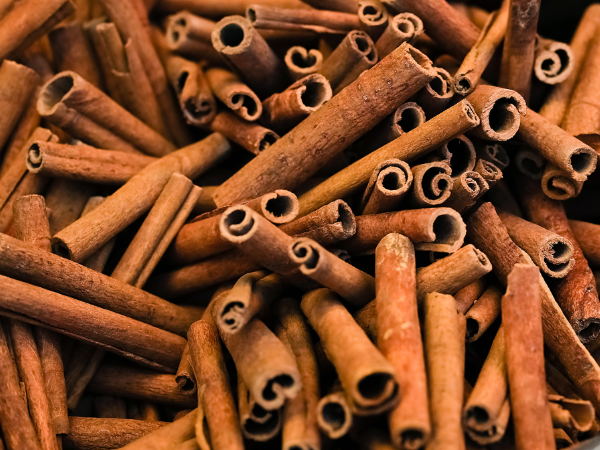
Cloves
Cloves produce a pungent, spicy aroma that snakes strongly dislike. Similar to cinnamon, the scent interferes with their sensory awareness and
discourages them from lingering in treated areas.
Crush whole cloves and scatter them in garden beds, along walls, or near doorways. Another option is to boil cloves in water, let the mixture
cool, and spray it along the home’s exterior or in areas where snake activity is suspected.
Cloves are safe for both indoor and outdoor use and offer an effective natural alternative to chemical repellents.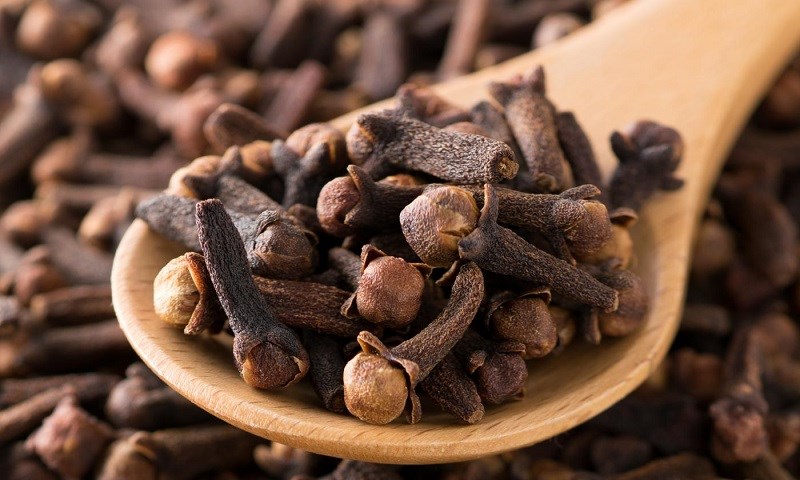
Garlic
Garlic is well known for its strong smell, which many animals - including snakes - find unbearable. Its sulfur-containing compounds create an
odor barrier that snakes instinctively avoid.
You can create a garlic spray by blending several garlic cloves with water, straining the mixture, and spraying it along fences, foundations, and
garden borders. Crushed garlic cloves can also be placed near cracks, gaps, and areas where snakes may pass through.
While the scent fades over time, reapplication can help maintain its effectiveness.
Lemongrass
Lemongrass has a fresh citrus scent that humans enjoy but snakes find overwhelming. This plant contains citronella, a natural compound
widely used in insect and animal repellents.
Planting lemongrass around your home or garden creates a natural barrier that snakes are reluctant to cross. If planting is not an option,
lemongrass essential oil mixed with water can be used as a spray around high-risk areas.
In addition to repelling snakes, lemongrass adds visual appeal and a pleasant fragrance to outdoor spaces.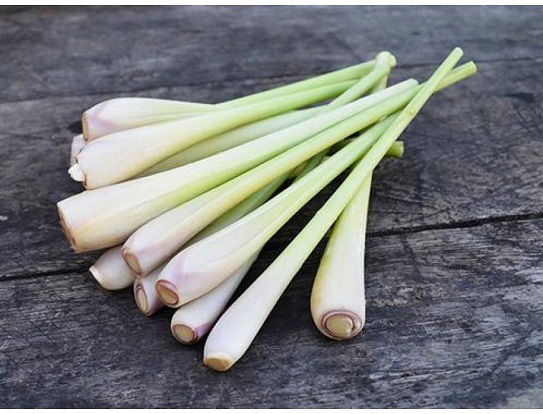
Mint
Mint, particularly peppermint, produces a strong aroma that overwhelms snakes’ senses. The scent can discourage them from approaching
treated areas.
Mint plants can be grown near windows, doors, patios, or garden edges. Peppermint oil diluted with water can also be sprayed along
foundations, cracks, and walkways.
Mint offers a gentle yet effective way to deter snakes while keeping your surroundings fresh and aromatic.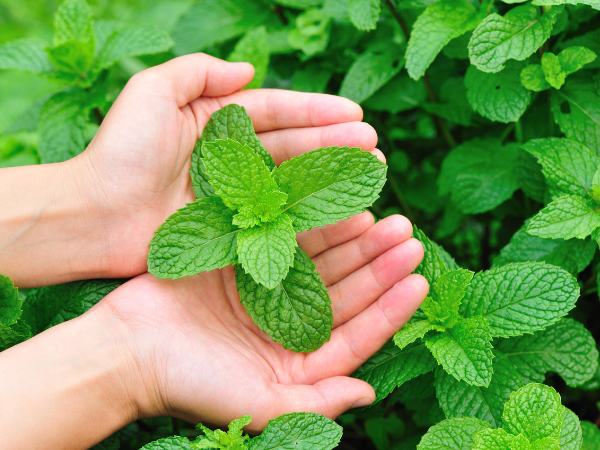
Cedarwood
Cedarwood emits a woody scent that snakes find unpleasant. It is commonly used to repel insects, but it can also discourage snakes from
settling near your home.
Cedar chips can be spread around garden borders, sheds, fences, and entry points. Cedarwood essential oil diluted with water may also be
sprayed in shaded or hidden areas where snakes might hide.
Cedarwood works best when combined with other preventive measures, such as keeping the yard clean.
Eucalyptus
Eucalyptus produces a sharp, menthol-like scent that snakes avoid. Its strong aroma can create an effective boundary when used consistently.
Mix eucalyptus oil with water and spray it near doors, windows, and outdoor structures. Fresh or dried eucalyptus leaves can also be placed
around gardens or snake-prone areas.
Eucalyptus offers additional benefits, as it also repels insects and freshens the surrounding air.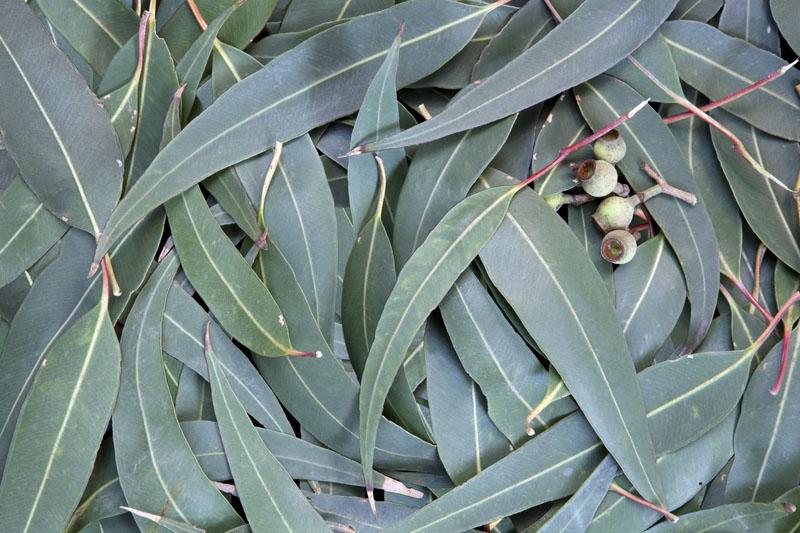
How to Use These Scents Safely and Effectively
Natural repellents work best when applied consistently and combined with good property maintenance. Essential oils should always be
diluted with water before use. Reapply sprays after rain or heavy moisture, as scents fade over time.
Plant-based deterrents create longer-lasting protection, while sprays are useful for immediate or targeted use.
Additional Ways to Reduce Snake Encounters
Sealing entry points is critical. Snakes can slip through very small gaps, so inspect foundations, door frames, window edges, and pipe
openings. Seal any cracks with caulk or weatherproof materials.
Keeping your yard tidy is equally important. Snakes are drawn to clutter, tall grass, wood piles, and leaf debris. Regular trimming and cleanup
remove hiding places and reduce their interest in your property.
In areas with frequent snake activity, snake fencing can be effective. These fences should be properly installed, buried slightly underground,
and angled outward to prevent snakes from climbing over.
Removing food sources is another key step. Snakes often follow rodents and insects, so managing pests helps discourage snake visits. Secure
trash, store pet food properly, and keep feeding areas clean.
Warm spots can attract snakes, especially during cooler months. Basements, crawl spaces, and heating vents should be sealed and kept dry.
Gravel barriers can also help. Rough gravel surfaces are uncomfortable for snakes to cross, making them less likely to approach your home.
If you have pets or livestock, inspect their living areas regularly. Secure feed storage and remove clutter to reduce snake attraction.
Seasonal awareness is important. Snakes are most active in warm months, particularly spring and early summer. Increased vigilance during
these times can prevent unexpected encounters.
Planting snake-repelling plants such as lemongrass, garlic, marigolds, and lavender around your home adds an extra layer of natural defense
while enhancing your landscape.
Final Thoughts
Using natural scents to repel snakes is a safe, environmentally friendly approach that protects both humans and wildlife. These methods avoid
harmful chemicals while still reducing the likelihood of snakes entering your living space.
When combined with proper yard maintenance, sealing of entry points, and awareness of seasonal activity, scent-based deterrents can be
highly effective. With consistent effort and a proactive approach, you can create a home environment that feels safer, calmer, and far less
inviting to snakes.