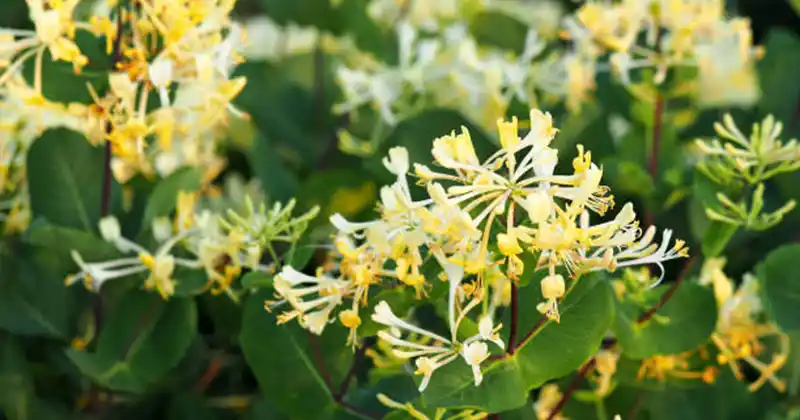
Japanese honeysuckle, scientifically known as Lonicera japonica, is a fragrant flowering vine native to East Asia. It has been valued for centuries
in traditional medicine systems, especially in China, Japan, and Korea. While many people recognize honeysuckle for its sweet scent and
delicate white-and-yellow flowers, fewer realize that this plant has long been used for its potential health-supporting properties and practical
household applications.
In traditional herbal practices, Japanese honeysuckle is often referred to as a “cooling” herb, believed to help clear heat, support immune
balance, and promote overall wellness. Modern research continues to explore these traditional claims, while many people still use honeysuckle
in simple home remedies and daily care routines.
Nutritional and Bioactive Compounds
Japanese honeysuckle contains a range of naturally occurring compounds that contribute to its traditional uses. These include:
-
Flavonoids, which act as antioxidants
-
Chlorogenic acid, commonly studied for its anti-inflammatory and antimicrobial properties
-
Organic acids and volatile oils that contribute to its aroma and potential biological effects
These compounds are most concentrated in the flower buds and blossoms, which are the parts most commonly used in teas, infusions, and
extracts.
Potential Health Benefits
1. Supports Immune Balance
In traditional medicine, Japanese honeysuckle has been used to support the body’s natural defenses. It is often included in herbal formulas
during seasonal changes, when the immune system may be under greater stress.
Herbalists traditionally use honeysuckle to help the body respond to environmental challenges, rather than to directly “fight” illness. This
gentle, balancing approach is one reason the plant has remained popular for centuries.
2. Traditionally Used for Inflammation Support
Japanese honeysuckle has long been associated with reducing internal heat and soothing inflammation in traditional practices. It has been
used to support comfort during sore throats, minor skin irritations, and seasonal discomforts.
Modern studies suggest that compounds like chlorogenic acid may help modulate inflammatory responses, though more research is needed
to fully understand these effects in humans.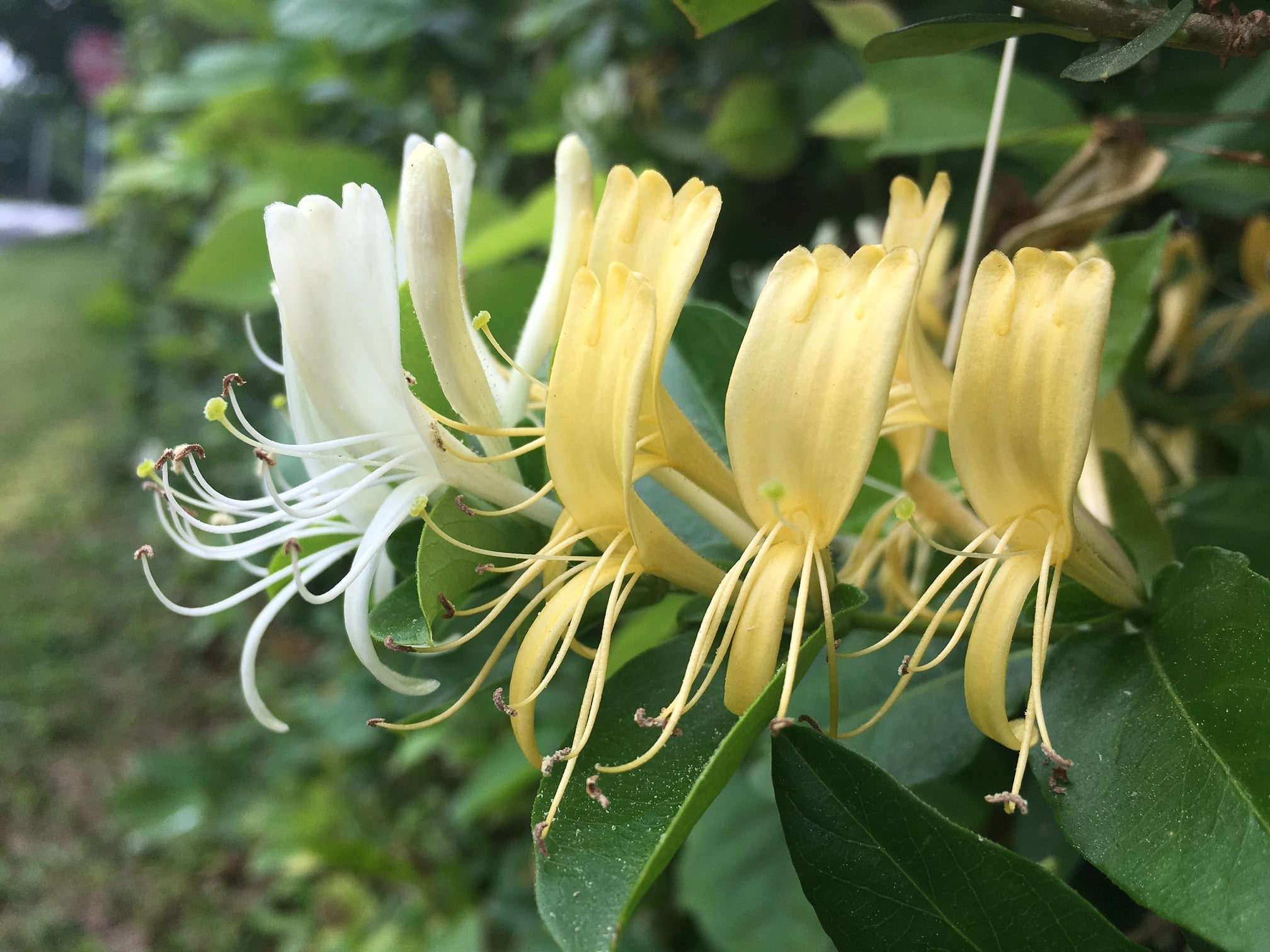
3. Skin and External Care Uses
Honeysuckle has a long history of topical use. Infusions made from the flowers are traditionally applied to the skin to support cleanliness and
comfort.
Common traditional uses include:
-
Rinsing irritated skin
-
Supporting healing of minor cuts or blemishes
-
Soothing insect bites or mild rashes
Its mild nature makes it popular in homemade skincare preparations.
4. Supports Digestive Comfort
In traditional herbal systems, Japanese honeysuckle is sometimes used to support digestion, especially when digestive discomfort is
associated with heat or inflammation.
It has been included in teas meant to promote balance in the digestive system and support overall gut comfort.
5. Antioxidant Support
The flavonoids in honeysuckle help neutralize free radicals, which are unstable molecules that contribute to cellular stress and aging. While
honeysuckle is not a cure or treatment, antioxidant-rich plants are often valued as part of a balanced lifestyle that supports long-term health.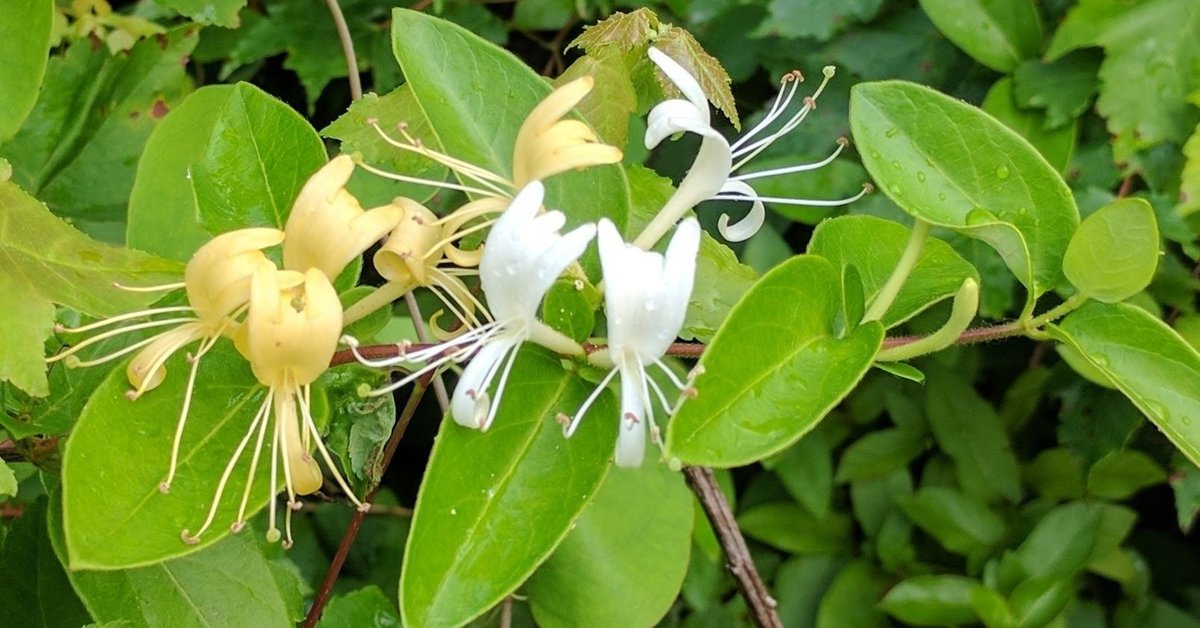
Homemade Uses of Japanese Honeysuckle
Japanese honeysuckle can be used in a variety of simple, traditional ways at home. Always ensure the plant is correctly identified and free
from pesticides or environmental contaminants before use.
1. Honeysuckle Tea
Honeysuckle tea is one of the most common traditional preparations.
How to make it:
-
Use dried or fresh honeysuckle flowers
-
Add 1–2 teaspoons of flowers to a cup of hot water
-
Steep for 5–10 minutes
-
Strain and drink warm or chilled
This tea is traditionally enjoyed for its light floral flavor and cooling nature.
2. Cooling Herbal Infusion
A stronger infusion can be used externally for skin care.
Method:
-
Simmer honeysuckle flowers in water for 10–15 minutes
-
Allow to cool completely
-
Use as a skin rinse, compress, or gentle facial wash
This preparation is often used to refresh the skin during hot weather.
3. Homemade Herbal Ice Cubes
Honeysuckle infusion can be frozen into ice cubes and used externally.
Uses include:
-
Cooling tired skin
-
Reducing puffiness
-
Refreshing the face or neck after sun exposure
4. Natural Aromatic Sachets
Dried honeysuckle flowers can be placed in small cloth sachets to freshen drawers, closets, or pillows. The gentle fragrance is calming and
pleasant without being overpowering.
5. Herbal Bath Additive
A honeysuckle infusion can be added to bathwater for a soothing soak. This practice is traditionally believed to help relax the body and
refresh the skin.
Safety and Precautions
While Japanese honeysuckle has a long history of traditional use, it should be used responsibly.
-
Only the flowers and buds are typically used; other parts of the plant may not be suitable
-
Avoid excessive consumption; moderation is key
-
Pregnant or breastfeeding individuals should consult a healthcare professional before use
-
People with allergies to flowering plants should test carefully
-
Do not confuse Japanese honeysuckle with ornamental honeysuckle species not intended for use
It is important to note that Japanese honeysuckle is considered invasive in some regions. Harvesting should be done responsibly and in
accordance with local environmental guidelines.
Final Thoughts
Japanese honeysuckle (Lonicera japonica) is a beautiful example of how traditional herbal knowledge blends with modern wellness practices.
From immune support and antioxidant properties to gentle skincare and aromatic household uses, this plant has remained valued across
cultures for generations.
While it is not a replacement for medical treatment, Japanese honeysuckle can be thoughtfully incorporated into a balanced lifestyle as a
natural, traditional support plant. When used correctly and in moderation, it offers both practical benefits and a connection to centuries of
herbal tradition.