Snakes don’t usually enter gardens because they are drawn to people. They come for shelter, food, and the right environment. Certain
plants - especially when left unmanaged can quietly create the perfect conditions for snakes to hide, hunt, and stay cool.
This doesn’t mean having these plants guarantees snakes will appear. However, if snakes already exist in your area, these plants can
significantly increase the chances of them choosing your garden as a resting place.
Here are five common garden plants and plant types that may unintentionally invite snakes and what you can do about them.
1. Dense Ground Cover Plants
Examples include:
-
Ivy
-
Creeping vines
-
Thick ornamental grasses
These plants grow low and spread quickly, creating shaded, hidden spaces close to the ground. For snakes, this is ideal cover. It protects them
from predators, extreme heat, and human activity.
Why snakes like them:
-
Cool, shaded ground
-
Excellent hiding spots
-
Easy access to insects, frogs, and rodents
What to do instead:
Keep ground cover trimmed regularly, thin it out, or replace it with low, well-spaced plants that don’t form thick mats.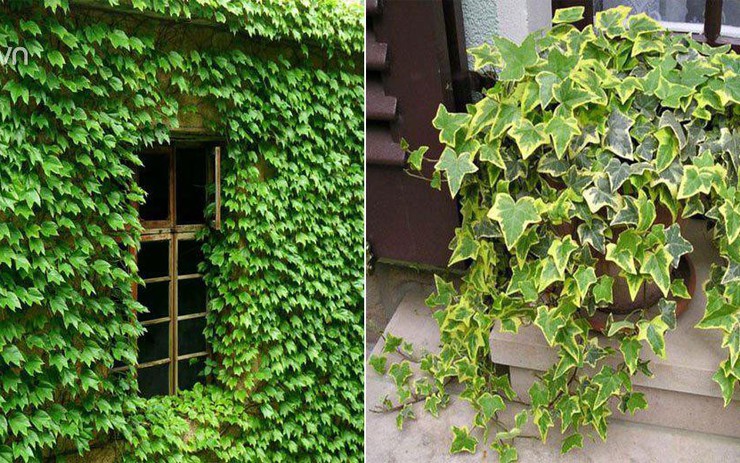
2. Overgrown Shrubs and Bushes
Large, unpruned shrubs can become natural shelters for snakes. When branches grow close to the ground and leaves pile up underneath, it
creates a quiet, undisturbed zone.
Why snakes like them:
-
Protection from sunlight
-
Concealment from predators
-
Rodents often nest nearby
What to do instead:
Prune shrubs so there is visible space beneath them. Clear fallen leaves and avoid letting bushes touch the ground.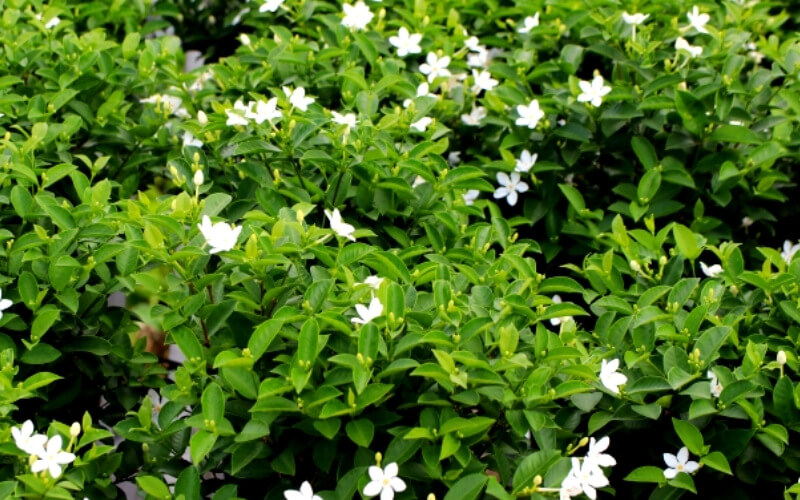
3. Plants Near Standing Water
Plants that grow around ponds, fountains, or areas with poor drainage can indirectly attract snakes.
Snakes are drawn to water sources, especially during hot weather. Frogs, fish, and insects near water also provide easy meals.
Why snakes like them:
-
Reliable water access
-
High prey activity
-
Cooler temperatures
What to do instead:
Keep water features clean, limit dense vegetation around them, and avoid letting plants overgrow along the edges.
4. Fruit Trees with Fallen Produce
Fruit trees themselves don’t attract snakes but fallen fruit does.
Rotting fruit attracts insects and rodents, which in turn attract snakes. Once rodents move in, snakes are never far behind.
Why snakes like them:
-
Rodents feed on fallen fruit
-
Shaded ground under trees
-
Minimal human disturbance
What to do instead:
Regularly collect fallen fruit and keep the area beneath trees clean and open.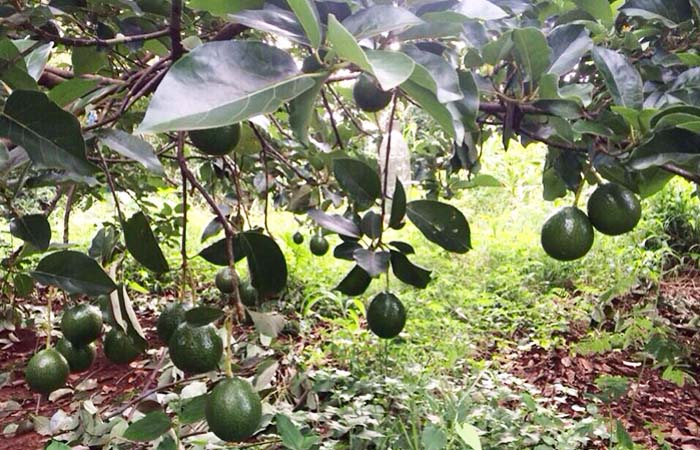
5. Thick Bamboo or Tall Reeds
Bamboo and tall reed-like plants grow densely and rapidly, often forming natural walls of vegetation.
Why snakes like them:
-
Deep shade
-
High humidity
-
Excellent long-term shelter
Once snakes move in, these areas are difficult to inspect or clear safely.
What to do instead:
If bamboo is necessary, keep it well-contained and thinned. Avoid letting it grow wild near walkways or living spaces.
What Really Attracts Snakes (It’s Not Just Plants)
Plants alone don’t attract snakes. They come when three conditions overlap:
-
Shelter
-
Food (usually rodents or insects)
-
Water
Gardens with clutter, overgrowth, compost piles, or unsealed gaps nearby are far more inviting.
How to Make Your Garden Less Appealing to Snakes
-
Keep grass short and plants trimmed
-
Remove piles of wood, rocks, and debris
-
Control rodents
-
Improve drainage and avoid standing water
-
Maintain clear visibility across the garden
A clean, open garden sends a clear signal: this is not a safe place to hide.
Final Thoughts
Snakes are not aggressive by nature, and they play an important role in the ecosystem. But no one wants unexpected encounters close to
home.
By understanding which plants and conditions attract snakes and managing them properly you reduce risk without harming wildlife. In
most cases, simple garden maintenance is enough to keep snakes moving along.
Your garden should be a place of comfort, not surprise.