
However, eggs have many good qualities that make them a surprisingly ideal health food. From being packed full of vitamins and minerals to helping to fend off a stroke, eggs can be an amazing addition to your diet if you have your health in mind.
Eggs Are Extremely Nutritious

A single large (50 g) egg contains:
- Vitamin A: 5% of the RDA.
- Vitamin D: 10% of the RDA
- Vitamin B12: 10% of the RDA.
- Vitamin B6: 5% of the RDA.
- Selenium: 28% of the RDA.
- Phosphorus: 9% of the RDA.
- Vitamin B2: 15% of the RDA.
Eggs also contain decent amounts of vitamin E, vitamin K, calcium and zinc. A large egg contains 72 calories, 6 grams of protein and 3 grams of healthy fats.
Eggs also contain various other trace nutrients that are important for health. Eggs are pretty much the perfect food, they contain a little bit of almost every nutrient we need.
Here are some of the exciting health benefits of eggs:
Eggs Promote Good Eye Health
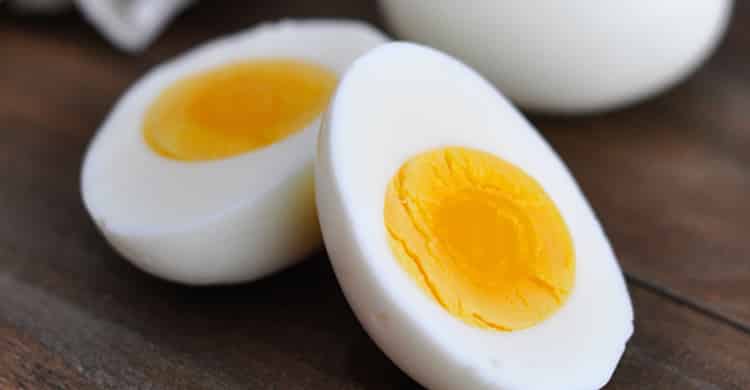
Move over, carrots—eggs can help maintain visual health, too!
Egg yolks contain high level of the antioxidants lutein and zeaxanthin. These are potent antioxidants that can reduce your risk of developing macular degeneration and other common eye problems. I’ve already mentioned the importance of these two antioxidants in my article about the top 9 foods that protect and improve your eyesight.
According to a study conducted by researchers from Tufts University and published in the August 1999 edition of the American Journal of Clinical Nutrition, these antioxidants—increase dramatically within the body when egg yolks are consumed.
Take note that these benefits cannot be reaped if you avoid eating the yolk of the egg and eat only the white of the egg, as these nutrients are specific to the yolk.1
According to a 2001 article by Alfred Sommer published in the Encyclopedia of Life Sciences, vitamin A deficiency results in more than 500,000 new cases of blindness each year.2 This vitamin, so crucial for helping eyes stay healthy, is abundant in eggs—so eat up for healthy eyesight.
Eggs can Help you Lose Weight
Although some people gasp over the fat content of eggs and think they couldn’t possibly aid in weight loss, nothing could be further from the truth.
According to a study published in the Journal of the American College of Nutrition, people who ate protein-rich eggs for breakfast were better able to control their appetites while attempting to lose weight.
This was due to experiencing less hunger—greater satiety—after an egg breakfast (as compared with the control group who ate a carbohydrate-rich bagel for breakfast).
This led the egg-eaters to consume notably fewer calories after eating eggs—an effect that lasted up to 36 hours in some individuals.5
Eggs are also one of the top 5 belly fat burning foods and are also one of the foods you can use to lose 88 pounds in one year.
Eggs Help Build Bone and Muscle Strength
Why eat artificially fortified foods to get those hard-to-come-by essential nutrients when eggs naturally have all you need?
For example, eggs are one of very few natural sources of vitamin D, which, when paired with calcium, promotes strong bones and may prevent the onset of osteoporosis.
The protein contained within eggs make them ideal for building strong muscles, as well. Egg proteins are balanced and easily utilized by the body to renew muscle tissue and up the amount of muscle mass—and the same cannot be said of all proteins.
Eggs Boost Brain Health and Keep you Sharp
Because of an essential nutrient called choline, eggs can also give your brain power a boost.
A study published in the American Journal of Clinical Nutrition looked at 1,391 volunteers between the ages of 36 and 83 and found that increased dietary choline was associated with improved cognitive function, including visual and verbal memory.3
Additionally, a British Journal of Nutrition study of more than 2,000 adults in their 70s found positive associations between increased choline and better performances on cognitive tests of perception speed, cognition, sensory motor speed and executive function.
Eggs are rich source of choline: one whole large egg can provide 35 percent of your daily choline needs — which is good news, because according to a study published in The Journal of the Federation of American Societies for Experimental Biology, 90 percent of Americans do not get enough of it.6
Eggs also contain other nutrients that can delay Alzheimer’s disease and dementia.
Eggs can Prevent Heart Disease and Breast Cancer
A study performed by scientists from the Department of Nutrition at the University of North Carolina at Chapel Hill found that the choline that eggs contain is not only useful for maintaining good brain function, but also good heart function and may play a preventative role when it comes to breast cancer.4
These results were published in the November 2009 edition of the Nutrition Reviews journal, again bringing to light the question of how a food once so reviled for its cholesterol content could be associated with having a positive impact on heart health.
There are other foods that can prevent breast cancer like these seeds and this type of fat.
A Word about Eggs and Cholesterol
You may have heard that eggs are bad for people who are trying to watch their cholesterol levels.
Although this was thought to be the case for more than half of the 20th century, recent findings have shown that eating eggs can actually have a beneficial impact on blood cholesterol and even triglyceride levels.
The reason eggs were long thought to be a poor food choice for people trying to keep cholesterol levels in balance is that eggs are, indeed, high in cholesterol. However, there is little evidence to support a strong connection between dietary cholesterol—i.e., eating cholesterol in the form of eggs—and blood cholesterol levels.
A study from 2006 published in the Journal of Nutrition discovered that 33 participants over the ago of 60 who ate 1 egg per day for 5 weeks increased nutrients that boost eye health (lutein and zeaxanthin) without affecting cholesterol levels.
A 2008 study published in the Upsala Journal of Medical Sciences looked at a group of 19 middle-age, healthy participants who ate a whole egg every day for one month. Researchers found no difference in the participants’ cholesterol levels at all.
In fact, a 2013 study published in the journal Lipids showed that eating whole eggs actually increased levels of HDL (good) cholesterol, and allowed the HDL molecules to function more effectively. For HDL, higher numbers are always welcomed. HDL prevents heart disease and stroke.
How Many Eggs should you Eat each Day?
According to mayo clinic, most healthy people can eat up to seven eggs a week with no increase in their risk of heart disease. Some studies have shown that this level of egg consumption may actually prevent some types of strokes.
But the story is different for people who have diabetes. In this ever-growing population, eating seven eggs a week significantly increases the risk of heart disease.
The Mayo Clinic states that diabetics who eat seven eggs per week “significantly” increase their risk of heart disease. A 2010 analysis published in the Canadian Journal of Cardiology stated that participants in the Physicians’ Health Study who became diabetic during the course of the 20-year study were twice as likely to develop cardiovascular disease if they ate one egg per day.7
If you like eggs but don’t want the extra cholesterol, use only the egg whites but be aware that although the yolk of the egg contains all the cholesterol, it also contains many of the egg’s nutrients. So be sure to eat the yolk from time to time even if you are eating in a cholesterol-conscious way.