Cabbage is one of the most popular vegetables worldwide, commonly used in soups, salads, stir-fries, and fermented dishes. Rich in vitamins C and K, fiber, and antioxidants, cabbage is often praised for its ability to support digestion, boost immunity, and promote heart health. However, despite its many benefits, cabbage is not an ideal food choice for everyone. For certain groups of people, eating cabbage—especially in excess or in raw form—may lead to unwanted health problems.
People with thyroid disorders should be cautious.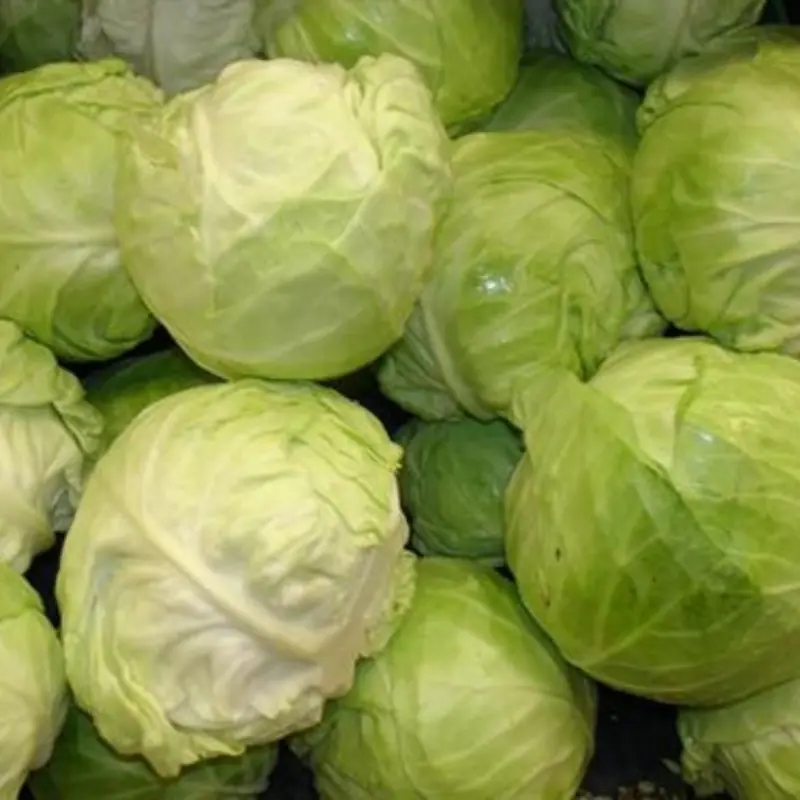
Cabbage belongs to the cruciferous vegetable family, which also includes broccoli, cauliflower, and kale. These vegetables contain compounds called goitrogens, which can interfere with the body’s ability to absorb iodine. Iodine is essential for proper thyroid function. For individuals with hypothyroidism or iodine deficiency, consuming large amounts of raw cabbage may worsen thyroid function over time. Cooking cabbage can significantly reduce goitrogen levels, making it a safer option for those affected.
Individuals with sensitive digestive systems may experience discomfort.
Cabbage is high in fiber and certain carbohydrates that can be difficult to digest. For people who suffer from bloating, irritable bowel syndrome (IBS), gastritis, or frequent gas, cabbage may trigger abdominal pain, cramps, or excessive flatulence. Raw cabbage is particularly problematic, as it is harder for the digestive system to break down. In such cases, limiting intake or choosing well-cooked cabbage may help reduce symptoms.
Post-surgery patients should avoid cabbage temporarily.
After surgery, the digestive system often becomes more sensitive and slower to function normally. Foods that produce gas or are difficult to digest, such as cabbage, can cause discomfort and interfere with recovery. Doctors commonly advise patients to avoid cruciferous vegetables during the initial healing period to prevent bloating and abdominal strain.
People taking blood-thinning medications need to monitor intake.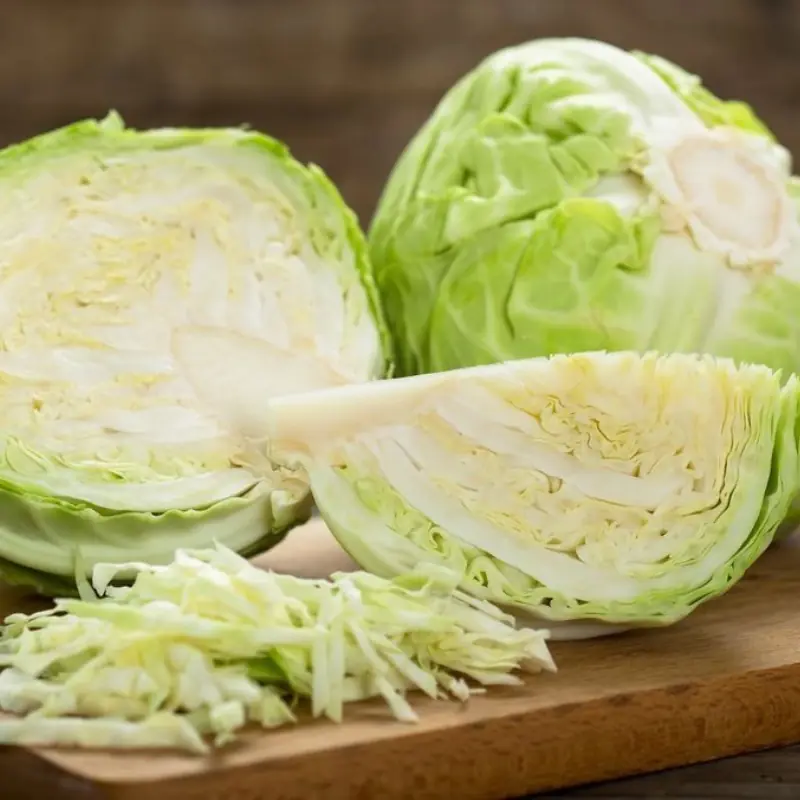
Cabbage is rich in vitamin K, a nutrient that plays a crucial role in blood clotting. While vitamin K is beneficial for most people, it can interfere with anticoagulant medications such as warfarin. Sudden increases in cabbage consumption may reduce the effectiveness of these drugs, increasing the risk of blood clots. Patients on blood thinners do not need to eliminate cabbage entirely, but they should maintain a consistent intake and consult their healthcare provider.