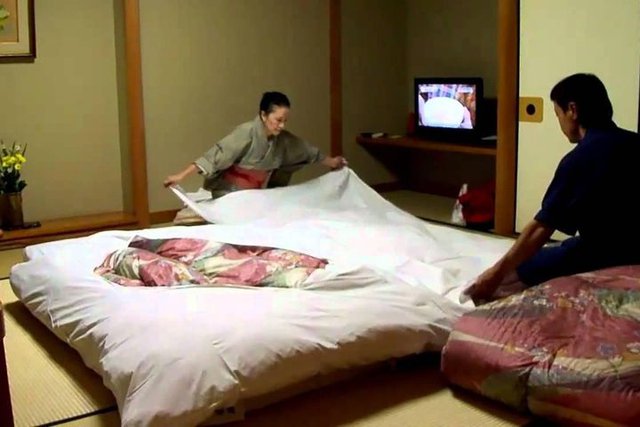
For many people outside Japan, the idea of sleeping on the floor instead of in a bed may seem uncomfortable or even impractical. Yet in
Japan, this practice has been part of daily life for centuries and continues to be embraced by many households today. Far from being a matter
of hardship, sleeping on the floor reflects a thoughtful balance of space efficiency, safety, health awareness, and deep cultural tradition.
Below are the key reasons why this sleeping style remains widely adopted in Japan.
1. Efficient Use of Living Space
One of the most practical reasons Japanese people sleep on the floor is the efficient use of limited living space. Many Japanese homes,
especially in urban areas, are relatively compact. To adapt to this reality, households rely on tatami mats, which are far more versatile than
they may appear.
Tatami mats serve multiple purposes throughout the day. During daytime hours, the same space can function as a living room, dining area, or
guest room. At night, thin mattresses can be laid directly on the tatami to create a sleeping area. In the morning, bedding is easily folded and
stored away, instantly freeing up space again.
This flexibility allows rooms to serve multiple functions without feeling cramped. In addition, most Japanese homes are well insulated and
equipped with heating systems that keep indoor temperatures comfortable, even during cold winters, making floor sleeping both practical
and cozy.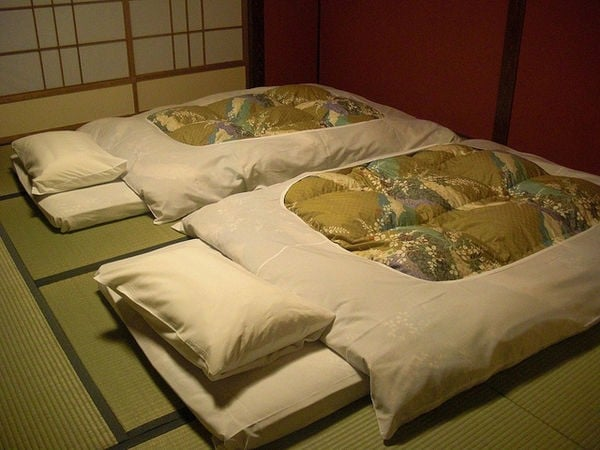
2. Greater Safety for Young Children
Safety is another major reason why many Japanese families prefer floor sleeping, especially those with young children. Beds carry the risk of
children rolling off while sleeping or climbing and falling during playtime.
On the floor, these risks are significantly reduced. Children can roll, crawl, and move freely without the danger of falling from a height or
bumping into sharp furniture edges. This creates a safer sleeping environment and allows parents to rest with greater peace of mind.
For families, floor sleeping aligns naturally with a child-friendly home layout that prioritizes openness and safety over elevated furniture.
3. Readiness for Natural Disasters
Japan is located in an area prone to earthquakes, and disaster preparedness is deeply embedded in everyday life. Sleeping close to the
ground allows people to sense tremors more quickly and respond without delay.
When sleeping on a bed, the initial movement of an earthquake may feel less noticeable, which can slow reaction time. Floor sleeping,
combined with minimalist living spaces, makes it easier to wake up quickly, assess the situation, and move to a safer location if necessary.
Homes with fewer large or heavy objects also reduce the risk of injury during sudden shaking and make evacuation faster and more efficient.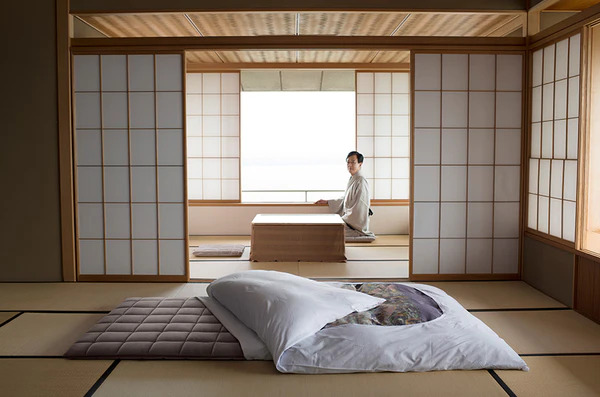
4. Health and Physical Well-Being
Many Japanese people believe that overly soft mattresses are not ideal for long-term health, particularly for the spine and joints. Instead, they
favor sleeping surfaces that provide firm, balanced support.
Sleeping on a flat, firm surface helps distribute body weight evenly, reducing pressure on specific areas such as the lower back, hips, and
shoulders. This is thought to improve posture and blood circulation while minimizing the risk of back pain over time.
In contrast, soft mattresses may feel comfortable initially but can sag with prolonged use, potentially leading to spinal misalignment and
chronic discomfort. For elderly individuals, sleeping closer to the ground also reduces the risk of injury when standing up or lying down.
Importantly, Japanese floor sleeping does not mean lying directly on hard wood. Tatami mats are made from compressed dried straw, offering
natural elasticity and breathability. Thin Japanese mattresses, often paired with compact pillows filled with buckwheat hulls, provide targeted
support for the neck and cervical spine. While these pillows may feel firm at first, they are designed to maintain proper alignment and long-
term comfort.
5. Easier and More Natural Waking Up
Another benefit often mentioned is how floor sleeping encourages easier waking. Soft beds can make it tempting to stay wrapped in warmth
and delay getting up. Floor sleeping, on the other hand, promotes deeper but less indulgent rest.
This sleeping style helps maintain a clear distinction between rest and activity, making mornings feel more refreshing and less sluggish. Many
people find that they wake up feeling more alert and ready to start the day.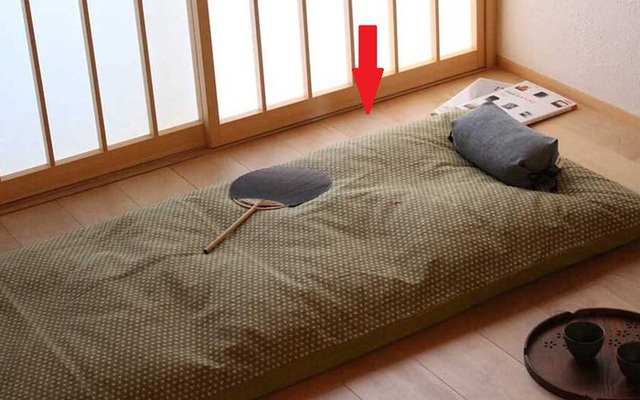
6. A Tradition Rooted in Culture
Beyond practicality and health, sleeping on the floor is deeply rooted in Japanese culture. This tradition has been passed down for thousands
of years and reflects broader values of simplicity, mindfulness, and harmony with one’s living environment.
Even in modern Japan, where Western-style beds are widely available, many people continue to honor this tradition—either full-time or in
specific rooms of the home. It represents a connection to heritage and a lifestyle that values balance over excess.
Final Thoughts
Sleeping on the floor in Japan is not about discomfort or limitation. It is a carefully considered lifestyle choice shaped by space efficiency,
safety, health awareness, disaster preparedness, and cultural identity. For many, it offers a sense of simplicity, flexibility, and physical well-
being that modern beds do not always provide.
What may seem unusual at first glance is, in reality, a thoughtful way of living that continues to stand the test of time.