When Your Cat Wants to Sleep in Your Bed, There’s Often a Surprising Reason Behind It
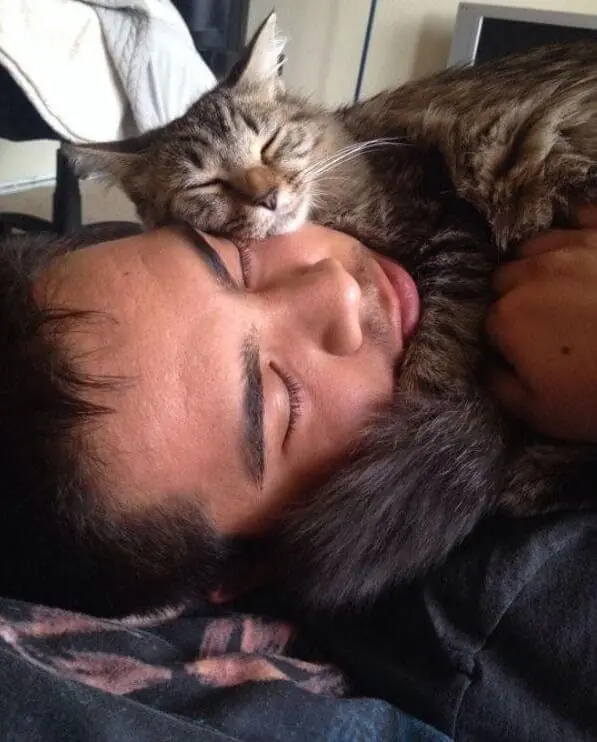
Many cat owners have experienced it: just as you settle into bed, your cat curls up beside you—or even claims your pillow. While it may seem like a simple habit or a desire for comfort, there are actually several meaningful reasons why cats choose to sleep in their owner’s bed. These reasons are rooted in instinct, emotion, and biology.
1. A Sign of Trust and Bonding
Cats are naturally cautious animals. In the wild, sleep is the most vulnerable time, so cats only rest where they feel completely safe. When your cat chooses to sleep in your bed, it’s a strong sign of trust. Your cat sees you as a source of safety and feels secure enough to relax fully around you. Sharing sleep space is also a way cats strengthen emotional bonds with those they consider family.
2. Warmth and Comfort
Cats love warmth. Your bed retains body heat, making it one of the coziest places in the house—especially during cooler nights. Even in warm weather, cats are drawn to soft surfaces that provide comfort and insulation. Your bed offers the perfect combination of warmth, softness, and familiarity.
3. Familiar Scents Provide Security
Cats rely heavily on scent to understand their environment. Your bed carries your scent more strongly than almost anywhere else in the home. Sleeping there helps your cat feel calm and reassured. In return, your cat may also leave its own scent behind, subtly marking the bed as shared territory.
4. Instinctive Protection
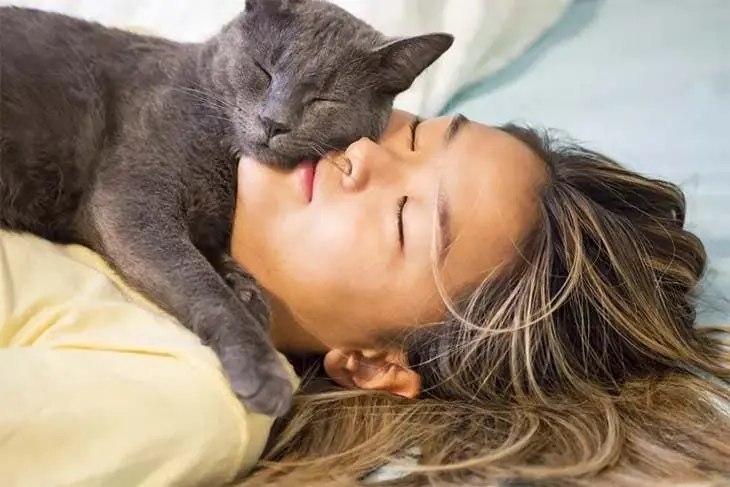
While cats are independent, they are also social animals. Some cats sleep near their owners as a form of instinctive protection. By staying close, your cat can monitor movements, sounds, or potential threats. This behavior reflects an ancient survival instinct rather than conscious guarding.
5. Companionship and Routine
Cats are creatures of habit. If sleeping in your bed becomes part of their daily routine, they will continue to seek it out. Many cats also enjoy companionship during rest, especially if their owners are busy during the day. Nighttime becomes a quiet moment for closeness.
6. Health and Emotional Sensitivity
Some cats are particularly sensitive to their owner’s emotional or physical state. They may seek closeness if they sense stress, illness, or emotional changes. In these moments, your cat’s presence can feel almost comforting—as if it knows you need company.
Should You Let Your Cat Sleep in Your Bed?
For most healthy adults, sharing a bed with a cat is safe. However, individuals with allergies, compromised immune systems, or sleep disturbances may prefer to set boundaries. Ultimately, the decision depends on comfort, health, and personal preference.
Conclusion
When your cat wants to sleep in your bed, it’s rarely a coincidence. It’s a blend of trust, warmth, scent, instinct, and emotional connection. Far from being just a cute habit, this behavior reflects the deep bond between you and your feline companion—one built on comfort, safety, and affection.