Deputy Director of a Thai Hospital Warns:
5 Foods That Can Lead to Kidney Failure When Eaten in Excess
Kidneys are often taken for granted—until they stop working properly.
These two fist-sized organs filter waste, balance fluids, regulate blood pressure, and protect the body from toxic buildup. Yet kidney damage rarely causes pain in its early stages, which is why chronic kidney disease is often discovered late.
According to senior nephrology specialists, diet plays a major role in long-term kidney health. Certain foods, while common and even nutritious in moderation, can become dangerous when consumed excessively or over long periods.
This warning is not about fear.
It is about dose, frequency, and awareness.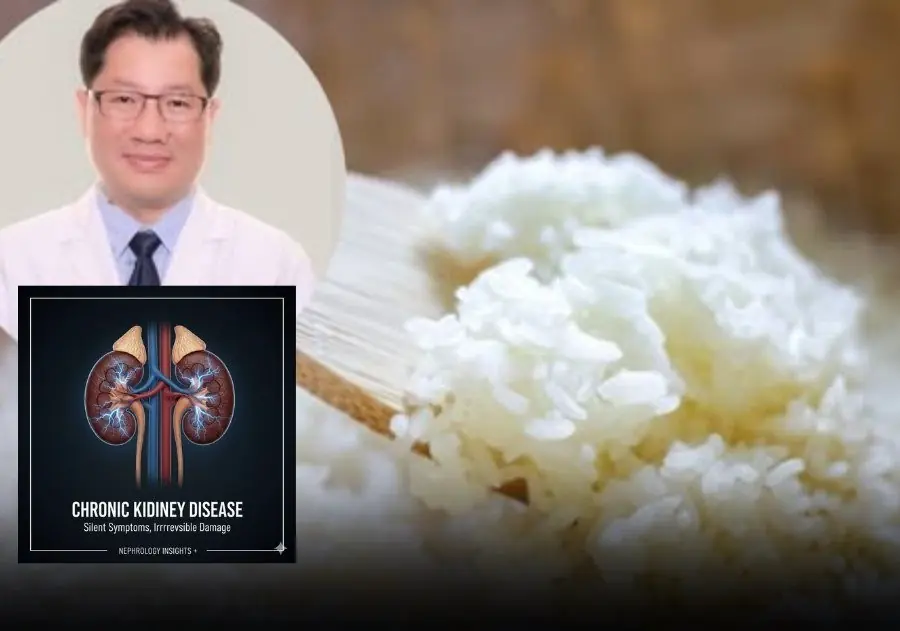
Below are five foods doctors frequently caution against, especially for people with existing kidney stress, high blood pressure, diabetes, or a family history of kidney disease.
Why Kidney Damage Is Often Missed
Kidneys are silent workers. They can lose up to 70–80% of their function before noticeable symptoms appear.
Early warning signs are subtle:
-
Fatigue
-
Swelling in the legs or face
-
Changes in urination
-
Brain fog
-
Poor appetite
Because these symptoms feel non-specific, damage continues quietly—sometimes for years.
Dietary overload is one of the most common contributors.
1. White Rice and Refined Carbohydrates
White rice is a staple food in many cultures and not harmful on its own. However, when eaten in large quantities daily—especially without balance—it can contribute to kidney stress.
Why?
-
White rice has a high glycemic index
-
It spikes blood sugar levels
-
Repeated spikes increase insulin resistance
Over time, poor blood sugar control damages tiny blood vessels in the kidneys, reducing their filtering ability.
This risk is higher for:
-
People with diabetes
-
Those with prediabetes
-
Individuals who rely heavily on refined carbs with little protein or fiber
Moderation and balance are key.
2. Processed and High-Salt Foods
Excess salt is one of the most damaging dietary factors for kidney health.
Foods high in sodium include:
-
Instant noodles
-
Processed meats
-
Pickled foods
-
Packaged snacks
-
Ready-made sauces
High sodium intake:
-
Raises blood pressure
-
Forces kidneys to work harder
-
Accelerates kidney tissue damage
Long-term salt overload is strongly linked to chronic kidney disease and kidney failure.
The kidneys were not designed to process modern levels of sodium.
3. Animal Protein in Excess
Protein is essential—but too much animal protein can overwhelm the kidneys.
When protein is broken down, it produces nitrogenous waste that kidneys must filter. Excessive intake over time can:
-
Increase kidney workload
-
Raise uric acid levels
-
Speed up kidney decline in vulnerable individuals
This risk is higher with:
-
Red meat-heavy diets
-
High-protein weight-loss plans
-
Long-term protein overconsumption without medical guidance
Protein is beneficial—but more is not always better.
4. Sugary Drinks and Sweetened Beverages
Sugary beverages place a double burden on the kidneys.
They:
-
Spike blood sugar
-
Increase inflammation
-
Promote obesity
-
Raise the risk of diabetes and hypertension
Both diabetes and high blood pressure are the two leading causes of kidney failure worldwide.
Drinks that increase risk include:
-
Soft drinks
-
Sweetened teas
-
Energy drinks
-
Artificial fruit juices
Liquid sugar is absorbed quickly, leaving the kidneys with no time to adapt.
5. Foods High in Phosphorus Additives
Phosphorus is a mineral needed for bone health—but excessive intake is dangerous, especially for kidney function.
Many processed foods contain hidden phosphorus additives, including:
-
Processed meats
-
Fast food
-
Cola drinks
-
Packaged baked goods
When kidneys cannot remove excess phosphorus:
-
Blood vessels stiffen
-
Bone health deteriorates
-
Cardiovascular risk increases
For people with declining kidney function, phosphorus overload can be life-threatening.
Why “Excess” Is the Key Word
Doctors emphasize that none of these foods are inherently toxic.
The danger lies in:
-
Daily overconsumption
-
Lack of dietary variety
-
Ignoring hydration
-
Existing health conditions
Kidney damage rarely comes from one meal.
It develops from years of imbalance.
Who Should Be Extra Cautious
Dietary kidney risk is higher for people who:
-
Have diabetes or high blood pressure
-
Are overweight
-
Have a family history of kidney disease
-
Take certain long-term medications
-
Rarely drink enough water
For these groups, dietary moderation is not optional—it is protective.
Early Protection Is Possible
Kidney disease is often irreversible—but progression can be slowed or prevented with early action.
Doctors recommend:
-
Balanced meals
-
Reduced salt and sugar
-
Adequate hydration
-
Regular blood and urine tests
-
Medical guidance before extreme diets
The kidneys respond well to respect and consistency.
Final Message
Food is not the enemy.
Unawareness is.
Kidney failure does not appear overnight—it builds quietly through habits repeated without thought.
Eating wisely does not mean giving up favorite foods.
It means knowing limits and listening to the body.
Protecting kidney health today prevents life-altering consequences tomorrow.