Why Does the Vagina Smell Sour?
4 Real Reasons Every Woman Should Know
A vagina is not supposed to smell like perfume, flowers, or soap. It is a living, self-regulating ecosystem, and like all natural systems, it has its own scent. Sometimes that scent can be described as sour, tangy, or slightly acidic—and in many cases, that is completely normal.
However, there are moments when a sour smell becomes stronger, unusual, or accompanied by other changes, signaling that something inside the vaginal environment has shifted. Understanding why this happens is essential—not for shame, but for health, confidence, and informed self-care.
Below are four real, medically recognized reasons why the vagina may smell sour, and what each one means for the body.\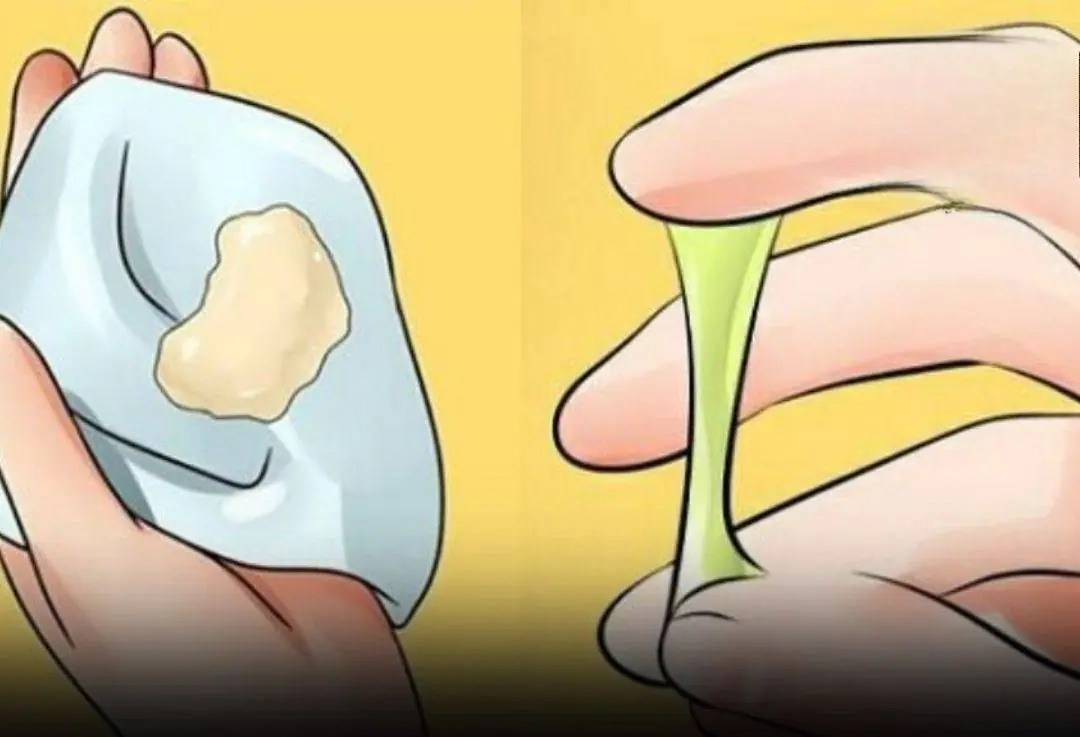
1. Natural Vaginal pH: The Acidic Balance Doing Its Job
The vagina naturally maintains an acidic pH, usually between 3.8 and 4.5. This acidity exists for a reason: it helps protect against harmful bacteria, infections, and external pathogens.
That slightly acidic environment is maintained by beneficial bacteria called Lactobacillus, which produce lactic acid. The result?
A scent that can resemble yogurt, sour milk, or fermented foods.
This is normal.
A mild sour smell on its own—without itching, burning, pain, or unusual discharge—is typically a sign that the vaginal ecosystem is healthy and functioning properly.
Important context:
-
Sweat, tight clothing, or a long day can intensify this natural scent.
-
Hormonal changes during the menstrual cycle can subtly alter odor.
-
A clean vagina can still smell sour—and that does not mean something is wrong.
2. Bacterial Vaginosis (BV): When Balance Is Disrupted
When the balance between good and bad bacteria shifts, the vagina may develop bacterial vaginosis (BV). This is one of the most common vaginal conditions, and it does not always cause pain.
BV often changes the vaginal smell to something more noticeably sour, sharp, or fish-like, especially after sex.
Common signs include:
-
Thin, grayish or milky discharge
-
A stronger odor than usual
-
Minimal itching or discomfort (or none at all)
BV is not a sexually transmitted infection, but sexual activity, douching, and new partners can increase the risk by altering vaginal bacteria.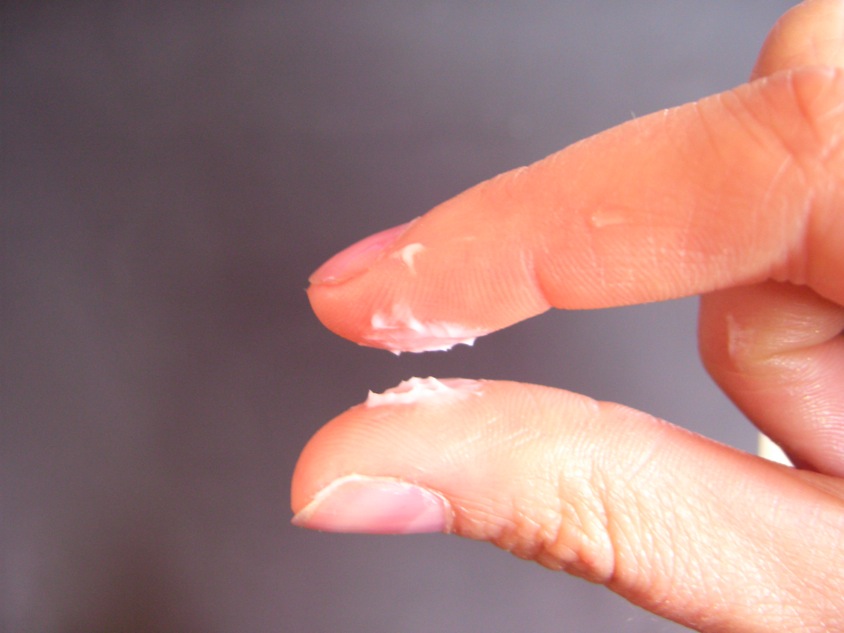
Left untreated, BV can:
-
Increase susceptibility to infections
-
Cause complications during pregnancy
-
Lead to recurring vaginal imbalance
The good news is that BV is highly treatable with proper medical care.
3. Yeast Overgrowth: Fermentation From the Inside Out
A vaginal yeast infection occurs when Candida, a naturally occurring fungus, grows out of control. While yeast infections are often associated with a bread-like or beer-like smell, they can also produce a sour or fermented odor.
This happens because yeast creates byproducts similar to fermentation.
Typical symptoms include:
-
Thick, white, cottage-cheese-like discharge
-
Intense itching or burning
-
Redness or swelling around the vulva
Triggers for yeast overgrowth may include:
-
Antibiotic use
-
High sugar intake
-
Tight, non-breathable clothing
-
Hormonal changes or stress
A sour smell combined with itching is a strong signal that the vaginal environment is out of balance, and treatment is needed.
4. External Factors: Sweat, Hygiene Habits, and Lifestyle
Not all sour smells come from inside the vagina itself. Sometimes, the odor is influenced by external factors, especially around the vulva.
These include:
-
Sweat buildup, particularly in hot or humid weather
-
Wearing tight underwear or synthetic fabrics
-
Using scented soaps, wipes, or vaginal washes
-
Overwashing or douching, which strips protective bacteria
Ironically, trying too hard to “stay fresh” can actually cause odor problems by disrupting the vagina’s natural defense system.
Key reminder:
-
The vagina is self-cleaning
-
Water and gentle, unscented soap for the external area only are sufficient
-
Strong products often do more harm than good
When a Sour Smell Is Normal—and When It’s Not
A mild, consistent sour scent without other symptoms is usually harmless.
However, it is time to seek medical advice if the smell:
-
Becomes suddenly stronger or unpleasant
-
Is paired with itching, burning, pain, or unusual discharge
-
Persists despite proper hygiene
-
Changes color or texture significantly
Ignoring persistent changes can allow minor issues to become chronic or recurrent problems.
The Bigger Picture: Normalizing Vaginal Health
Vaginal odor is not a personal failure. It is biological feedback.
The vagina reacts to hormones, stress, sex, diet, hygiene habits, and overall health. A sour smell is often the body saying, “This is how I protect myself.” Other times, it is asking for attention and care.
Understanding the difference empowers women to:
-
Stop unnecessary shame
-
Avoid harmful products
-
Recognize early warning signs
-
Make informed decisions about their health
Final Thought
A vagina does not need to smell like nothing.
It needs to smell like itself.
Learning what is normal—and what is not—is not just about comfort. It is about respecting the body’s intelligence and responding with care, not fear.
If you want, this article can be adapted into:
-
A Facebook long-form caption
-
A health blog post
-
A carousel breakdown
-
Or a softer, more viral-friendly version
Just say the format.