Homeowners should avoid these trees
Homeowners should avoid these trees
Health 17/01/2026 23:37
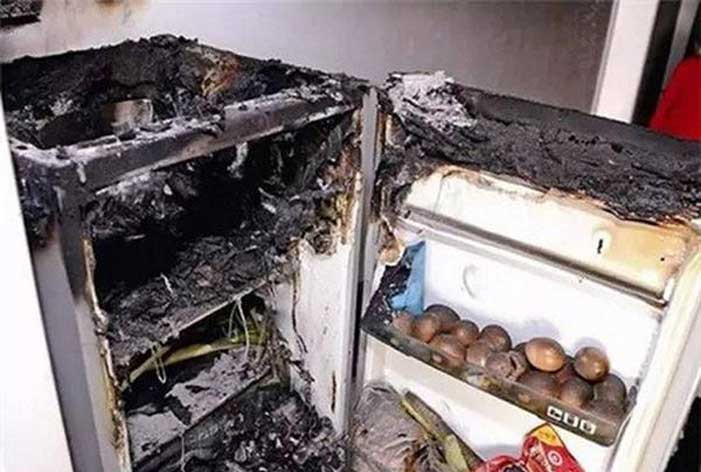
Refrigerators are designed to run quietly, safely, and continuously for years — yet under the wrong conditions, they can become extremely dangerous.
Most people never imagine a refrigerator as a potential fire or explosion hazard. It sits silently in the kitchen, day and night, holding food, running in the background of daily life. But when basic safety rules are ignored, this everyday appliance can turn into a serious threat to property — and even life.
Refrigerator explosions don’t happen randomly.
They are almost always the result of long-term neglect, misuse, or small mistakes that build up over time. What makes them especially dangerous is that warning signs are often subtle or ignored entirely until it’s too late.
Below are six extremely dangerous mistakes that can cause a refrigerator to overheat, catch fire, or in rare but real cases, explode — and why so many households unknowingly make them.
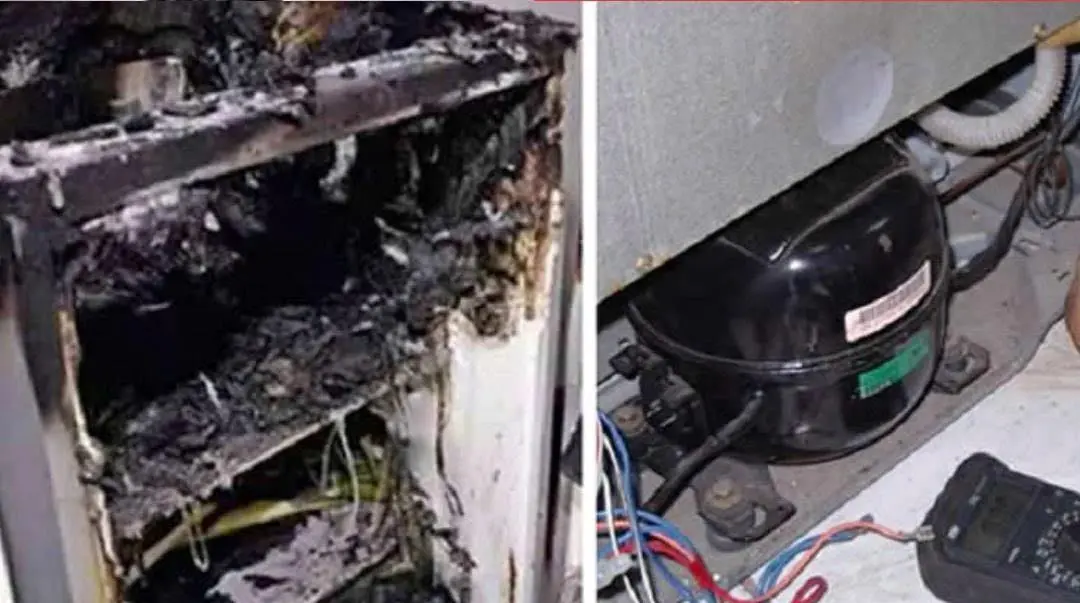
Most people clean what they can see — the shelves, drawers, and door seals — but completely forget about the back of the fridge. This area houses critical components like the compressor, condenser coils, and electrical wiring.
Over time, dust, grease, and pet hair accumulate on the condenser coils. This buildup traps heat, forcing the compressor to work harder than it was designed to. As temperatures rise, electrical components can overheat, insulation can melt, and sparks can ignite flammable dust.
Many refrigerator fires start here — out of sight, out of mind.
Refrigerators need proper ventilation to release heat. When pushed tightly against a wall or cabinet, airflow is restricted, causing internal temperatures to rise dangerously.
Poor ventilation leads to:
Compressor overheating
Increased electrical load
Faster wear of internal components
In extreme cases, trapped heat can ignite wiring or insulation materials. A refrigerator should always have adequate clearance on all sides, especially at the back.
Plugging a refrigerator into a loose, overloaded, or low-quality outlet is one of the most overlooked fire risks in the home.
Refrigerators draw significant power and run continuously. A damaged outlet can cause:
Electrical arcing
Sparks behind the wall
Overheating of plugs and wires
Using extension cords or shared outlets further increases the risk. Many kitchen fires originate from poor electrical connections that were ignored for years.
The compressor is the heart of the refrigerator. It compresses refrigerant gas under high pressure — and pressure plus heat is a dangerous combination when not properly managed.
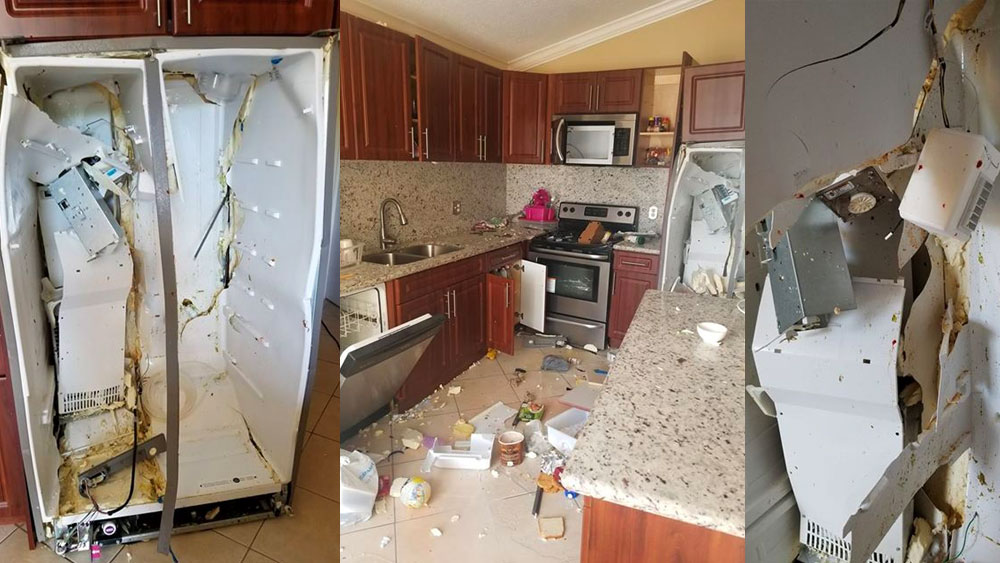
Dirty coils prevent heat from dissipating efficiently. As pressure builds inside the compressor, it may fail catastrophically. While rare, compressor ruptures can release flammable refrigerant gases, leading to explosions or fires if an ignition source is present.
Regular maintenance dramatically reduces this risk, yet most households never perform it.
 5. Storing flammable materials nearby
Many people store cleaning supplies, aerosols, alcohol, or even cooking oils near or behind the refrigerator for convenience. This is extremely dangerous.
The back of the fridge produces heat and contains electrical components that can spark under failure conditions. If flammable vapors are present, ignition can occur instantly.
What starts as a small electrical fault can turn into a fast-spreading fire or explosion simply because flammable materials were stored too close.
Refrigerators often give warnings long before failure:
Unusual buzzing or clicking sounds
Burning smells
Excessive heat at the back
Frequent circuit breaker trips
Inconsistent cooling
Many people dismiss these signs as “normal aging.” In reality, they often indicate failing electrical parts, overheating motors, or damaged wiring. Ignoring these warnings allows problems to escalate silently.
Modern refrigerators contain:
High-pressure refrigerant gas
Electrical systems running continuously
Plastic insulation that burns intensely
When failure occurs, pressure, heat, and flammable materials combine rapidly. While full explosions are rare, violent fires and ruptures are well-documented and can destroy kitchens within minutes.
These mistakes are common because they don’t cause immediate problems. Each issue builds slowly over months or years. The refrigerator keeps working — until suddenly it doesn’t.
People assume appliances are “safe by default,” forgetting that safety depends on maintenance, environment, and usage.
Leave proper space around the refrigerator
Clean condenser coils every 6–12 months
Use a dedicated, high-quality outlet
Never use extension cords
Keep flammable items far away
Address unusual sounds or smells immediately
Refrigerators don’t demand attention — which is exactly why they’re dangerous when neglected. They operate continuously, under pressure, behind walls and cabinets where problems remain hidden.
Prevention isn’t expensive or complicated.
It’s awareness, maintenance, and respect for how powerful modern appliances really are.
The refrigerator should preserve your food — not endanger your home.
Most disasters don’t come from dramatic mistakes, but from small habits repeated for years.
Once you know these risks, it becomes impossible to ignore them.
Homeowners should avoid these trees
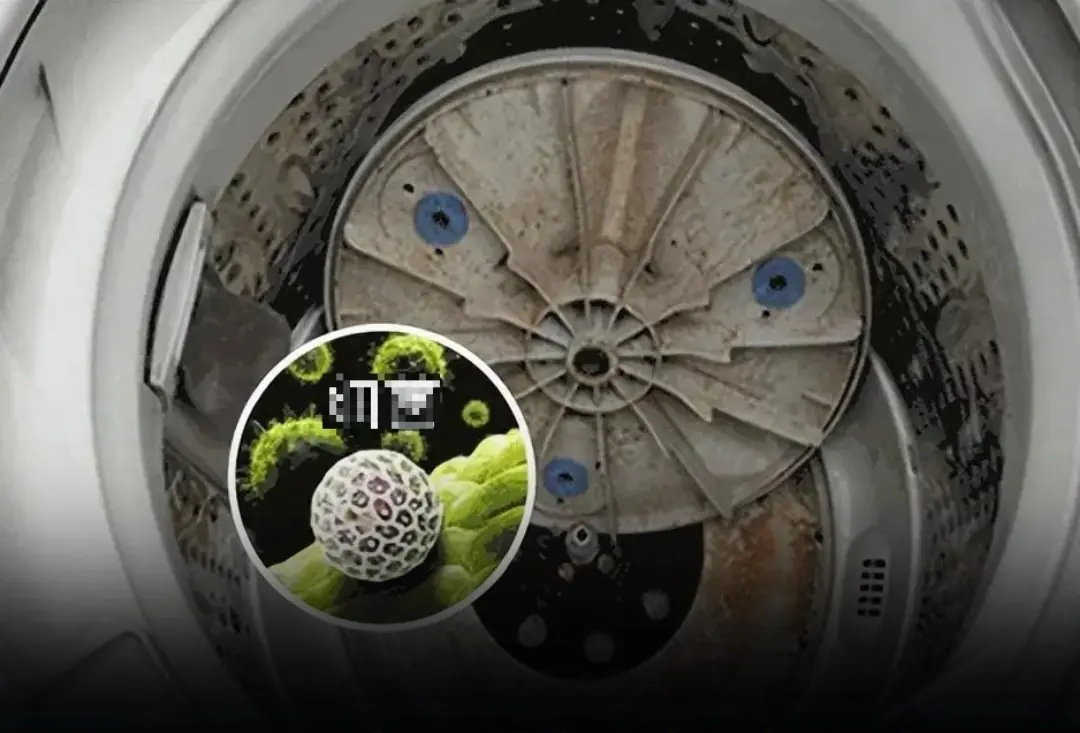
There’s one household item most people forget to clean, yet it can quickly turn into a hotspot for bacteria and illness

The small round hole in the phone has a very important function

Hidden air fryer mistakes that may put your health at risk

Everyone should be careful when reheating cold rice — here's why
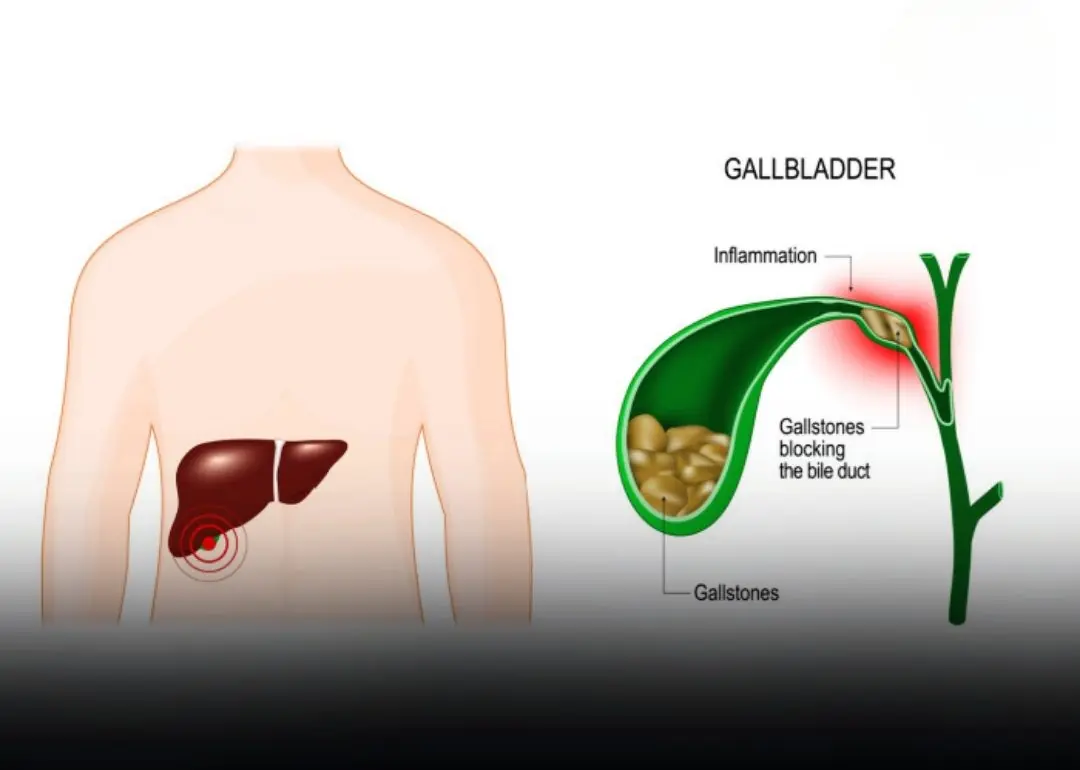
Here are the warning signs and the treatments you shouldn’t ignore

Snakes Hate These 5 Plants — Grow Them on Your Balcony to Keep Your Home Safe

Here’s Why They Don’t Belong in the Fridge

Here’s How Long It Really Lasts After Opening

8 Warning Signs You Should Never Ignore When Using the Toilet

Understanding unusual vaginal odor and what your body is signaling

Why reheating cold rice may pose serious health risks



Go to the hospital immediately if you notice anything unusual related to a he.art attack.

No matter how healthy your diet is, if you have the following habits, you should be cautious about the risk of cancer.


Incorporating both blueberries and walnuts into your diet is not only a tasty choice but also a powerful way to support overall health.
Homeowners should avoid these trees
There’s one household item most people forget to clean, yet it can quickly turn into a hotspot for bacteria and illness
The small round hole in the phone has a very important function
Hidden air fryer mistakes that may put your health at risk
Everyone should be careful when reheating cold rice — here's why
Here are the warning signs and the treatments you shouldn’t ignore
Snakes Hate These 5 Plants — Grow Them on Your Balcony to Keep Your Home Safe

Five bedtime actions that show your husband truly treasures you
Here’s Why They Don’t Belong in the Fridge
Here’s How Long It Really Lasts After Opening
8 Warning Signs You Should Never Ignore When Using the Toilet

Five post-intimacy actions that reveal a truly caring partner
Understanding unusual vaginal odor and what your body is signaling

Are they hiding something? Are they insecure? Or is there a deeper psychological explanation most people overlook?

Why sleeping separately after 50 may strengthen marriage and health
Why reheating cold rice may pose serious health risks