Cooking oil doesn’t last forever once the bottle is opened — even if it looks fine.
Many people assume that as long as oil smells neutral and hasn’t passed the printed expiration date, it’s safe to use. In reality, exposure to air, light, and heat starts changing oil the moment the seal is broken.
Once opened, cooking oil begins a slow chemical breakdown.
Oxygen triggers oxidation, a process that alters the structure of fats. This happens quietly, without obvious warning signs at first. Over time, those changes can affect both flavor and health — long before the oil looks “bad.”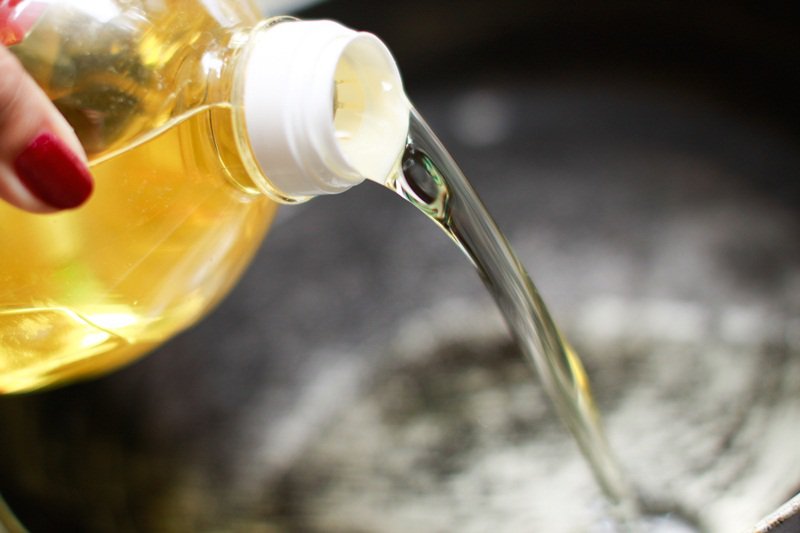
So how long can cooking oil really be used after opening?
For most common cooking oils, the general guideline is 3 to 6 months after opening if stored properly in a cool, dark place. Some oils last slightly longer, others much shorter, depending on their fat composition.
Refined vegetable oils (like canola, sunflower, or soybean oil) tend to be more stable and can last up to 6 months after opening.
Olive oil, especially extra virgin, is more delicate and is best used within 2 to 3 months.
Nut and seed oils (such as sesame, walnut, or flaxseed oil) are highly sensitive and often spoil within 1 to 2 months.
Heat, light, and air are the real enemies.
Leaving oil near the stove, storing it in clear bottles under bright lights, or frequently opening and closing the cap accelerates oxidation. Even high-quality oil can degrade quickly under poor storage conditions.
Using expired or oxidized oil isn’t just a taste issue — it’s a health risk.
When oil breaks down, it forms harmful compounds such as aldehydes and free radicals. These substances have been linked to inflammation, digestive irritation, and increased oxidative stress in the body.
Rancid oil doesn’t always smell strongly unpleasant at first.
Early-stage oxidation can be subtle. The oil may taste slightly bitter, metallic, or “off,” but not obviously spoiled. Many people continue using it without realizing the damage it can cause over time.
Consuming degraded oil regularly may contribute to long-term health problems.
Studies associate oxidized fats with increased risk of cardiovascular disease, insulin resistance, and cellular damage. While one exposure isn’t catastrophic, repeated use adds unnecessary strain to the body.
Cooking with old oil at high temperatures makes things worse.
Heating already-oxidized oil produces even more toxic byproducts. Frying, deep-frying, or high-heat sautéing with degraded oil significantly increases the formation of harmful compounds.
Visual clues can help — but they aren’t foolproof.
Cloudiness, thick texture, darkened color, or residue at the bottom of the bottle are warning signs. However, oil can still be unsafe even if it looks clear and normal.
Smell and taste tests matter — but only to a point.
If oil smells sour, paint-like, or stale, discard it immediately. If it tastes bitter or sharp, stop using it. When in doubt, trust caution over convenience.
Proper storage can dramatically extend oil’s usable life.
Keep bottles tightly sealed, away from heat and sunlight. Dark glass containers are better than clear plastic. For delicate oils, refrigeration can slow oxidation significantly.
Buying smaller quantities is often safer than buying in bulk.
Large bottles may seem economical, but they often sit opened for too long. Fresh oil used consistently is far healthier than old oil used sparingly.
The biggest mistake is assuming “expired” only means the printed date.
Once opened, time matters more than the label. Oil doesn’t suddenly go bad overnight — it quietly becomes less safe with every passing week.
When it comes to cooking oil, freshness is not optional.
What you use every day affects your body every day. Replacing oil more often isn’t wasteful — it’s preventative care.
If the oil is questionable, don’t take the risk.
Your health is worth far more than the cost of a new bottle.