Planting trees in front of the house is often seen as a sign of prosperity, shade, and good fortune.
Greenery brings life, improves air quality, and creates a welcoming atmosphere. However, not all trees are suitable for the area directly in front of a home. In many cultures — especially in Asian tradition and feng shui — certain trees are believed to attract financial strain, instability, or long-term trouble when planted in the wrong place. Beyond belief, there are also very real practical and structural reasons why some trees should be avoided near the front of a house.
Below are three types of trees commonly planted for convenience or aesthetics, yet often associated with debt, trouble, and hidden risks when placed directly in front of the home.
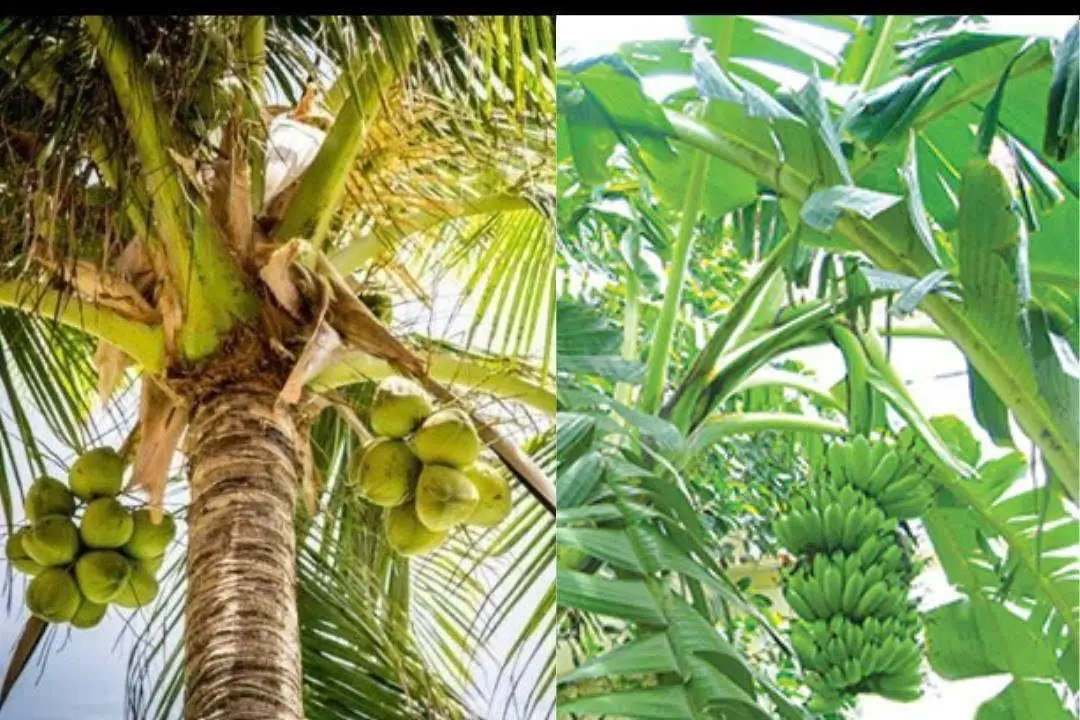
1. Coconut Trees
Coconut trees are admired for their tropical beauty and association with abundance. However, planting a coconut tree directly in front of the house is widely discouraged.
From a practical perspective:
Coconut trees grow tall with heavy fruit. Falling coconuts pose a serious safety hazard to people, vehicles, and property. The roots, though not the widest, can still damage underground pipes and foundations over time. Coconut trees also shed large fronds, creating constant maintenance issues.
From a symbolic and cultural view:
In feng shui, coconut trees are believed to “pull energy upward,” drawing wealth away rather than allowing it to settle in the home. Their height and narrow trunk are thought to represent instability — money comes in but doesn’t stay. Many traditional beliefs associate coconut trees in front of the house with unexpected expenses, debt accumulation, and financial leakage.
Better placement:
If planted, coconut trees are best placed at the back or side of the property, far from entrances and main living spaces.
2. Banana Trees
Banana trees are fast-growing, lush, and productive — which makes them very tempting for home gardens. Yet planting them directly in front of the house can cause more problems than benefits.
From a maintenance and hygiene standpoint:
Banana trees attract insects, rodents, and pests due to fallen fruit and constant moisture around the base. Their trunks retain water and decay quickly, creating an ideal breeding ground for mosquitoes and fungi. Over time, this can affect health and cleanliness around the home entrance.
Structurally:
Banana trees have shallow roots and soft trunks, making them vulnerable to wind damage. During storms, they can fall or collapse, blocking entrances or damaging structures.
From a symbolic perspective:
In many traditional beliefs, banana trees in front of the house are associated with instability, arguments, and money flowing out faster than it comes in. Because banana trees grow and die quickly, they symbolize short-lived prosperity rather than lasting wealth.
Better placement:
Banana trees are more suitable for backyards or garden plots, where they don’t interfere with energy flow or daily living areas.
3. Trees with Dense, Dark Canopies\
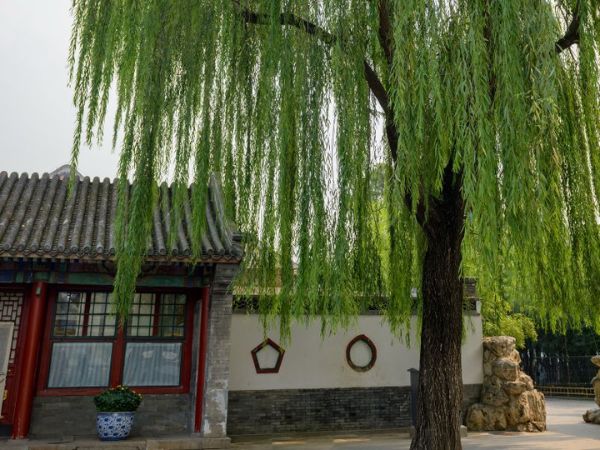
This category includes trees that grow large, thick foliage and block light — often planted for shade without considering long-term impact.
Practical risks:
Dense trees can block sunlight from entering the house, leading to dampness, mold growth, and poor ventilation. Roots from large trees may damage foundations, driveways, and plumbing. Over time, the house may feel colder, darker, and less welcoming.
Psychological and environmental effects:
Homes that lack natural light tend to feel heavy and oppressive. This can subtly affect mood, productivity, and even family relationships.
Symbolic meaning:
In feng shui, a dark, overgrown tree in front of the house is believed to block positive energy and opportunities. It symbolizes obstacles, stagnation, and difficulty in career and finances. Wealth and luck are thought to be “shaded out” before they can enter the home.
Better alternatives:
Choose low, well-pruned trees or ornamental plants that allow light and airflow while still providing greenery.
Why the front of the house matters so much
The front of the house is considered the gateway for energy, opportunity, and fortune. Practically, it’s also the most visible and frequently used area. Anything planted there has a long-term impact on safety, maintenance costs, and daily comfort.
Poor tree choices can lead to:
– Increased repair and maintenance expenses
– Safety hazards
– Reduced property value
– Long-term structural damage
– A darker, less inviting home environment
Whether you believe in feng shui or not, many of these outcomes are financially real, not just symbolic.
What to plant instead
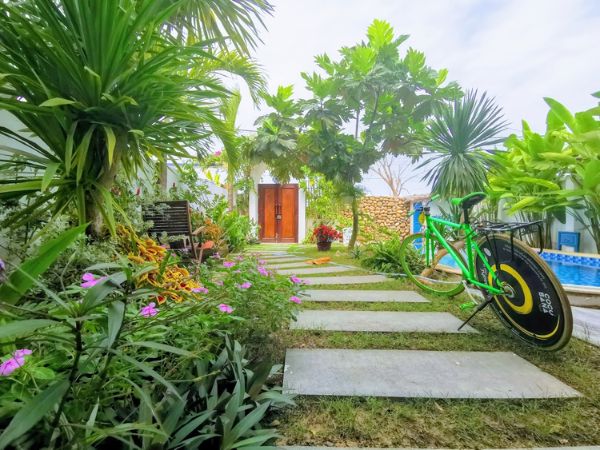
If you want greenery in front of your house, consider:
– Low shrubs with controlled growth
– Decorative flowering plants
– Small trees with shallow roots and open canopies
– Plants that are easy to maintain and don’t drop heavy fruit
These options improve aesthetics without creating long-term problems.
A tree is a long-term decision
Unlike furniture, trees can’t be easily moved once mature. A poor choice today can turn into years of expense and frustration later.
The goal is balance: beauty, safety, light, airflow, and stability — not just greenery.
Avoiding these three types of trees in front of your house isn’t about superstition alone.
It’s about protecting your home, your finances, and your peace of mind for years to come.
Sometimes, preventing trouble starts with knowing what not to plant.