Most people think reheating rice is harmless.
After all, rice is a daily staple in millions of homes, and leftovers feel practical, economical, and normal. Cook it once, reheat it later, eat it again — no problem. That belief is exactly what makes this issue so dangerous.
The real risk isn’t the reheating. It’s what happens before that.
Cooked rice becomes a perfect environment for bacteria if it’s left out too long at room temperature. One bacterium in particular — Bacillus cereus — can survive the cooking process and multiply rapidly once the rice cools.\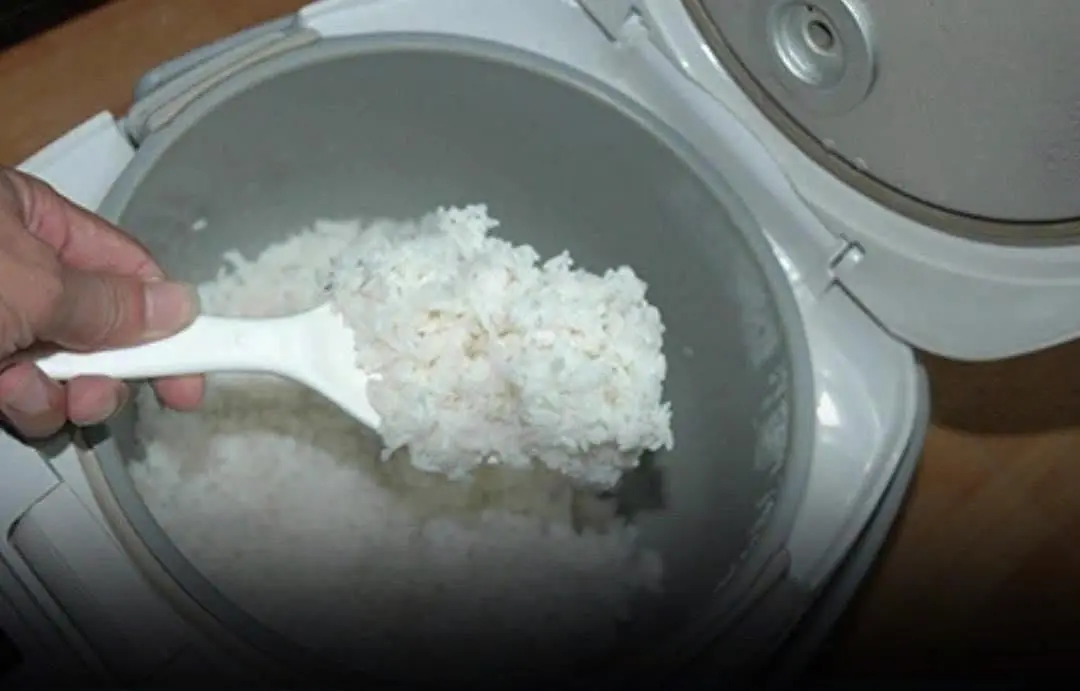
Here’s the part most people don’t know:
Some bacteria produce toxins that heat cannot destroy. That means reheating rice does not make it safe again if those toxins have already formed.
Rice can look, smell, and taste completely normal — and still be dangerous.
Unlike spoiled meat or sour dairy, contaminated rice often shows no obvious warning signs. No bad smell. No strange texture. No visible mold. Just a normal bowl of rice hiding a real risk.
Food poisoning from rice isn’t rare — it’s underreported.
Symptoms usually appear within a few hours and can include severe vomiting, diarrhea, abdominal cramps, and dehydration. In most cases, people blame “something they ate” and move on, never realizing rice was the cause.
Children, elderly people, pregnant women, and those with weakened immune systems are especially vulnerable.
For them, food poisoning can escalate quickly and become dangerous rather than just uncomfortable.
The biggest mistake happens right after cooking.
Leaving rice sitting in the rice cooker, on the counter, or on the stove for hours allows bacteria to multiply rapidly. The longer it stays warm or at room temperature, the higher the risk.
Refrigeration timing matters more than reheating method.
Rice should be cooled and refrigerated within 1–2 hours of cooking. Waiting longer significantly increases bacterial growth — even if you plan to reheat it later.
Storing rice incorrectly is where things go wrong.
Rice left uncovered, loosely covered, or stored warm in the cooker overnight is one of the most common causes of rice-related food poisoning worldwide.
Reheating rice more than once multiplies the risk.
Each cooling and reheating cycle creates another opportunity for bacteria to grow. Rice should be reheated only once, and only if it was stored properly from the beginning.
When reheating rice, temperature matters.
It must be steaming hot all the way through — not warm, not uneven. Cold spots mean bacteria can survive.
Even “just a little bite” can be enough.
Toxins don’t need large quantities to cause symptoms. One small serving of contaminated rice can still make someone seriously ill.
So what’s the safe rule?
– Cool rice quickly
– Refrigerate within 1–2 hours
– Store in airtight containers
– Reheat only once
– Eat within 24 hours
– If in doubt, throw it out
Wasting rice feels wrong — but food poisoning is worse.
Saving leftovers is smart only when safety comes first. No meal is worth hours of vomiting, dehydration, or a hospital visit.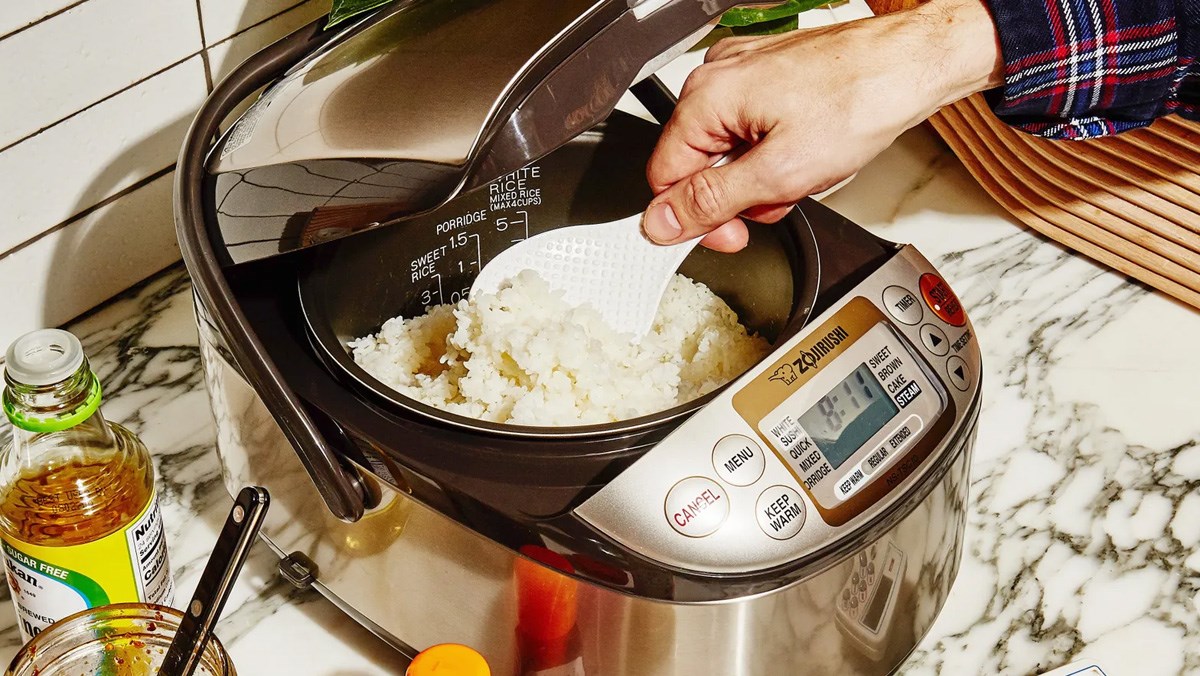
This isn’t fear-mongering. It’s food safety.
Rice is safe when handled correctly — and risky when treated casually.
The truth is uncomfortable, but simple:
Cold rice isn’t dangerous because it’s cold.
It’s dangerous when it’s mishandled.
Once you know this, you’ll never look at leftover rice the same way again.