Cancer doesn’t always announce itself with pain or drama.
In many cases, it starts quietly — so quietly that people mistake early warning signs for stress, diet issues, or “just a bad day.” That silence is exactly what makes early detection so critical.
Your bathroom habits can reveal more about your health than you think.
Changes that happen when using the toilet are often brushed off as temporary or embarrassing. But the truth is, your body uses these moments to send signals — and ignoring them can cost valuable time.
One of the biggest myths about cancer is that it always hurts at first.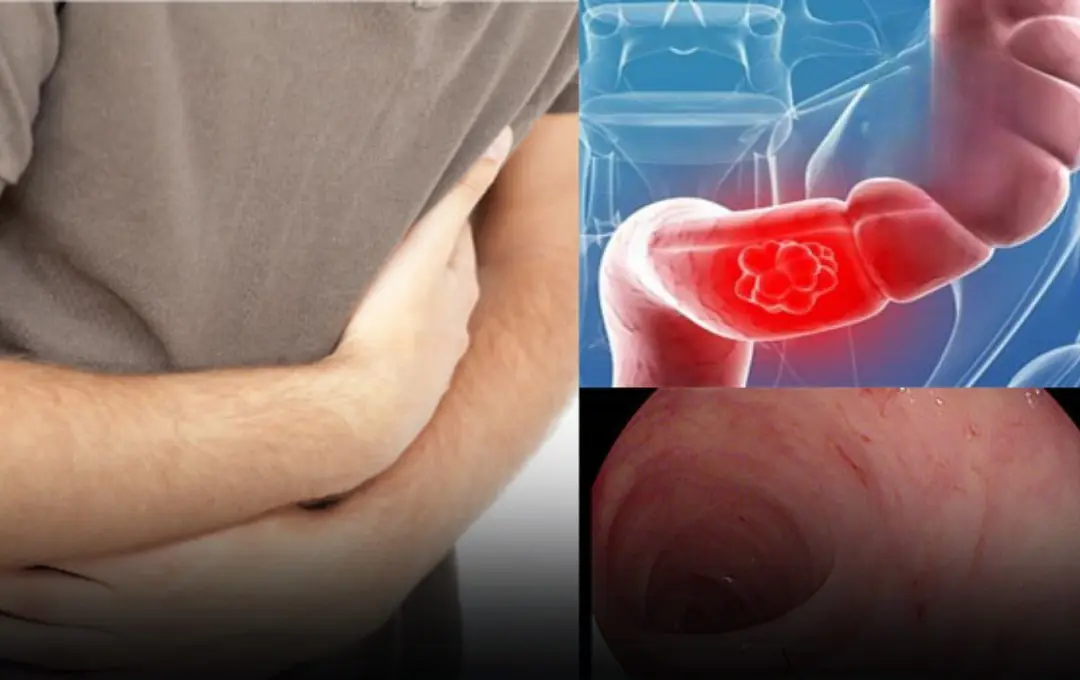
It doesn’t. Early-stage cancers, especially those affecting the digestive system, can progress without pain. Instead, they show up as small, consistent changes that feel easy to ignore… until they aren’t.
Blood where it shouldn’t be is never “normal.”
Whether it’s bright red, dark, or mixed into stool, blood is a warning sign that should always be taken seriously. Even if it appears once and disappears, it deserves medical attention — not assumptions.
Sudden changes in bowel habits matter more than people realize.
Constipation that doesn’t improve, persistent diarrhea, unusually thin stools, or the constant feeling that you haven’t fully emptied your bowels are not just inconveniences. When these changes last for weeks, your body may be asking for help.
Pain during bowel movements is not something to push through.
Discomfort, cramping, or pressure — especially when it’s new or worsening — can signal inflammation, blockages, or more serious underlying issues. Pain is communication, not something to “tough out.”
Unexplained weight loss should raise immediate questions.
If weight is dropping without changes in diet or activity, it’s not a win — it’s a red flag. Your body doesn’t shed weight for no reason, and digestive cancers are often linked to unexplained loss.
Fatigue that doesn’t match your lifestyle is another quiet clue.
Feeling constantly exhausted, weak, or short of breath can be linked to internal bleeding or nutrient absorption issues. When rest doesn’t help, it’s time to look deeper.
Mucus in stool or unusual stool appearance should never be ignored.
Your digestive system is designed to be consistent. When texture, color, or contents change noticeably and repeatedly, it’s often a sign that something inside needs attention.
The most dangerous thought is: “It’ll probably go away.”
Many people delay seeing a doctor because symptoms feel mild or manageable. Unfortunately, cancer thrives on delay. Early detection dramatically improves outcomes — late detection limits options.
Seeing a doctor doesn’t mean something is wrong.
It means you’re taking responsibility for your health. Tests don’t create bad news — they uncover the truth, whether that truth is reassurance or early treatment.
There is strength in paying attention to your body.
Not fear. Not panic. Awareness. Your body speaks in patterns, not emergencies. When patterns change, listening can save your life.
If something feels off, trust that instinct.
No social media post, no article, no comment section can replace professional medical advice. What feels “small” today could be significant tomorrow.
Early action is not overreacting — it’s self-respect.
Your health is not something to gamble with, minimize, or postpone. Silence is not safety.\
Listen. Act. Get checked.
Because ignoring warning signs doesn’t make them disappear — it only gives them time.