Most people think the refrigerator is the safest place for everything.
Cold equals fresh — or so we’re taught. But when it comes to onions, that belief is quietly ruining flavor, texture, and shelf life. In fact, storing onions in the fridge is one of the most common kitchen mistakes — and almost everyone does it.
Onions are dry vegetables, not cold-storage produce.
Whole onions are designed by nature to stay stable in cool, dry, well-ventilated environments. When you put them in the refrigerator, you introduce moisture — and moisture is the enemy.
Cold temperatures change onions from the inside out.
In the fridge, the starches inside onions begin converting into sugars much faster than they should. This sounds harmless, but it alters both taste and texture. The onion becomes overly sweet, mushy, and inconsistent when cooked.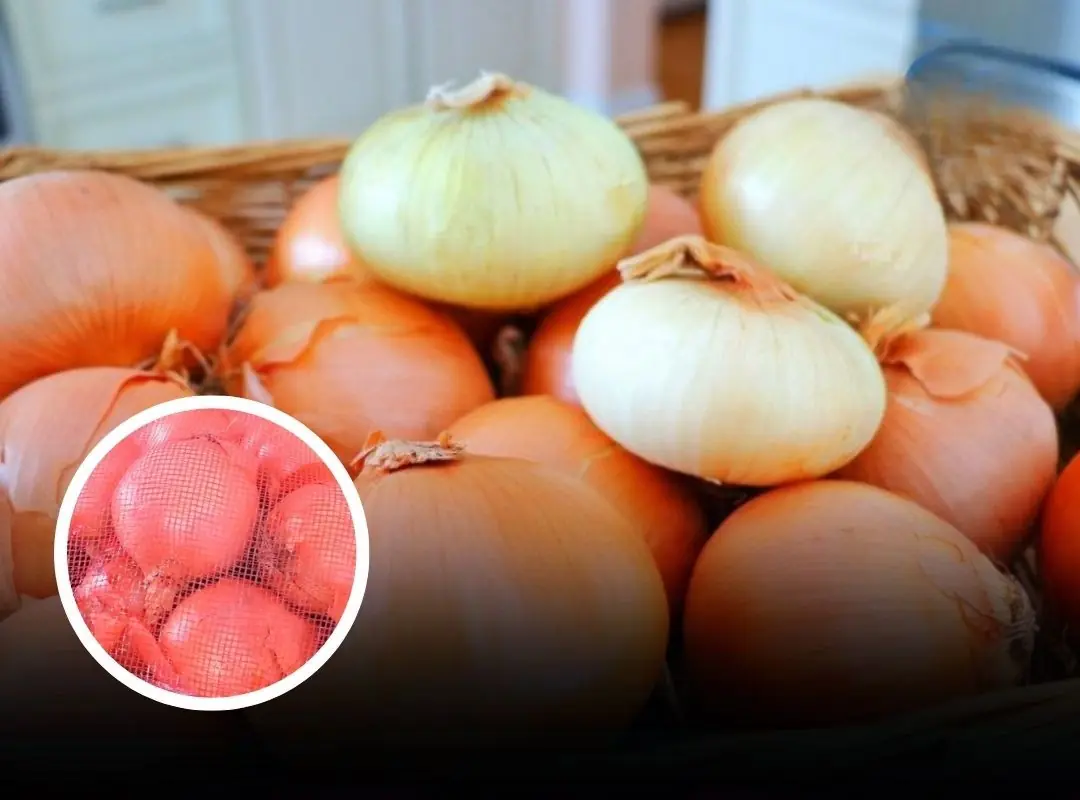
Humidity triggers mold and rot — even if you can’t see it yet.
Refrigerators are humid by design. Onions absorb that moisture through their outer layers, causing them to soften prematurely. Mold often starts beneath the surface long before visible signs appear.
That “slimy” feeling? That’s damage, not freshness.
Many people assume a slightly soft onion is still usable. In reality, softness is a sign that the cell structure has begun to break down. Flavor degrades, nutrients decline, and spoilage accelerates.
Storing onions near other produce creates another hidden problem.
Onions release gases that can cause nearby fruits and vegetables to spoil faster. At the same time, onions easily absorb odors. In the fridge, this creates a cycle of cross-contamination that affects everything around them.
Plastic bags make the situation worse.
When onions are kept in sealed bags — especially plastic — airflow is blocked. Trapped moisture speeds up decay and encourages bacterial growth. This is why onions stored this way often rot from the inside out.
So where should onions actually be stored?
The ideal place is a cool, dark, dry, and well-ventilated area. Think pantry shelves, baskets, mesh bags, or open bowls away from direct sunlight and heat sources.
Air circulation is more important than temperature.
Onions need to breathe. Mesh bags, wire baskets, or loosely woven containers allow moisture to escape and keep onions firm for weeks — sometimes months.
Never store onions next to potatoes.
This common pairing causes both to spoil faster. Potatoes release moisture and gases that onions absorb, while onions trigger faster sprouting in potatoes. Separate storage dramatically extends shelf life for both.
There is one exception — cut onions.
Once an onion is sliced, refrigeration becomes necessary. Store cut onions in an airtight container, use them within 2–3 days, and keep them away from foods that absorb odors easily.
Green onions are different from dry onions.
Scallions and spring onions contain much more water. These should be refrigerated, ideally wrapped in a paper towel and placed in a breathable container.
Why this matters more than people think.
Improper storage doesn’t just waste food — it changes what you’re eating. Spoiled onions can cause digestive discomfort, off flavors in meals, and unnecessary food waste.
The biggest issue is how normal the mistake feels.
Because so many people refrigerate onions, it feels correct. But common habits aren’t always right — they’re just common.
Good storage preserves flavor, texture, and nutrients.
Onions stored properly stay crisp, balanced, and reliable in cooking. They caramelize better, sauté evenly, and taste the way they’re supposed to.
One small change can save money and meals.
Moving onions out of the fridge and into proper storage reduces spoilage, improves cooking results, and keeps your kitchen running smarter.
If your onions keep going bad “for no reason,” this is the reason.
Not the onion. Not the store. The storage.
Sometimes freshness isn’t about keeping things colder — it’s about keeping them right.