5 Warning Signs Your Liver May Be in a Severe Stage
See a Doctor Immediately If You Notice Even One
The liver is one of the hardest-working organs in the human body, yet it is also one of the most silent. It can suffer damage for years without causing obvious pain, quietly compensating until it can no longer keep up.
That is why advanced liver disease is often discovered late—not because the signs were absent, but because they were misunderstood, ignored, or mistaken for minor issues.
If the liver reaches a severe stage, the body will start sending signals. The problem is that many people do not realize how serious those signals are.
Below are five critical warning signs that may indicate the liver is under extreme stress or already failing—and why immediate medical attention matters.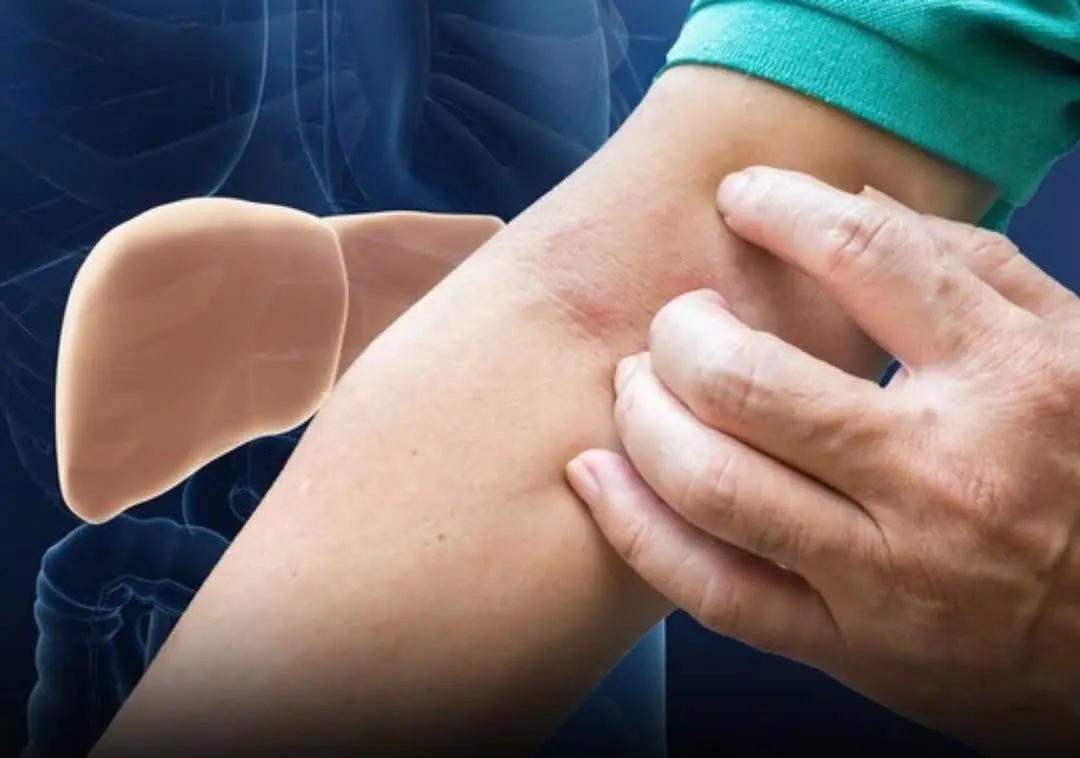
1. Persistent Itching Without a Rash
Unexplained itching, especially when it is:
-
Constant
-
Worse at night
-
Not linked to allergies or skin conditions
can be a red flag for liver dysfunction.
When the liver is damaged, it struggles to properly process bile. As bile salts build up in the bloodstream, they can irritate nerve endings in the skin, causing deep, relentless itching—often without any visible rash.
This type of itching:
-
Does not improve with moisturizers
-
Can affect the arms, legs, and entire body
-
Is often dismissed as dry skin
In reality, it may be a systemic warning, not a surface-level problem.
2. Yellowing of the Skin or Eyes (Jaundice)
One of the most well-known—but often late—signs of liver trouble is jaundice.
When the liver cannot process bilirubin properly, this yellow pigment builds up in the body, leading to:
-
Yellow eyes
-
Yellowish skin tone
-
Dark urine
-
Pale or clay-colored stools
Jaundice is not a cosmetic issue. It indicates that the liver’s filtering system is no longer functioning normally.
At this stage, liver disease may already be moderate to severe, and urgent evaluation is essential.
3. Unexplained Bruising or Bleeding
The liver plays a major role in producing clotting factors, which help blood stop bleeding.
When liver function declines:
-
Bruises appear easily
-
Small cuts bleed longer than usual
-
Nosebleeds may occur without reason
-
Gums may bleed during brushing
Many people assume this is due to aging or vitamin deficiency, but in reality, it can be a sign that the liver is no longer making essential proteins needed for blood clotting.
This is especially dangerous because internal bleeding can occur without obvious symptoms.
4. Swelling in the Abdomen or Legs
Advanced liver disease can cause fluid buildup, known as:
-
Ascites (fluid in the abdomen)
-
Edema (swelling in the legs and ankles)
This happens when liver damage disrupts:
-
Blood flow through the liver
-
Protein production
-
Fluid balance in the body
The abdomen may appear:
-
Bloated
-
Tight
-
Painful or heavy
Legs may swell by the end of the day and feel stiff or uncomfortable.
These symptoms often indicate significant liver scarring and should never be ignored.
5. Chronic Fatigue, Confusion, or Brain Fog
The liver helps remove toxins from the blood. When it fails to do so, toxins can reach the brain, leading to a condition known as hepatic encephalopathy.
Early signs may include:
-
Extreme fatigue
-
Poor concentration
-
Memory issues
-
Personality changes
-
Confusion or disorientation
In severe cases, this can progress to:
-
Slurred speech
-
Tremors
-
Altered consciousness
Mental changes related to liver disease are often misattributed to stress, depression, or lack of sleep—delaying diagnosis.
Why Liver Disease Is Often Missed
The liver does not complain early.
It adapts.
It compensates.
It stays silent.
By the time symptoms become obvious, damage may already be advanced or irreversible.
Common risk factors include:
-
Long-term alcohol use
-
Fatty liver disease
-
Viral hepatitis
-
Certain medications
-
Metabolic conditions
But liver disease does not discriminate. People without obvious risk factors can still be affected.
When to Act
If even one of these warning signs appears—especially in combination—medical evaluation should not be delayed.
Early detection can:
-
Slow or stop progression
-
Prevent complications
-
Improve long-term outcomes
-
Save lives
Blood tests, imaging, and specialist evaluation can provide clarity and direction..jpg)
Final Message
The liver is resilient, but it is not invincible.
Ignoring warning signs does not make them disappear—it only gives disease more time to progress quietly.
Listening to the body is not overreacting.
It is self-preservation.
If something feels off, trust that instinct.
A checkup today can prevent a crisis tomorrow.