Modern homes may look clean and comfortable, but the air inside them often tells a different story. Furniture, paint, flooring, cleaning
products, and even household electronics can release formaldehyde and fine dust particles into the air. Over time, poor indoor air quality
can affect sleep, concentration, and overall well-being.
While air purifiers and ventilation systems are helpful, nature already offers a powerful and affordable solution. Certain indoor plants are
especially valued for their ability to absorb harmful substances, trap fine particles, and improve air quality. Below are five plants often
described as the “natural enemies” of formaldehyde and why they deserve a place in your home.
1. Snake Plant (Sansevieria)
The snake plant is one of the most resilient and effective air-purifying plants. It is known for its ability to absorb formaldehyde, benzene, and
airborne toxins, even at night.
What makes this plant stand out is its unique oxygen-releasing process after dark, which helps improve air quality while you sleep. Its tall,
upright leaves also trap dust particles, preventing them from circulating in the room.
Why it’s effective:
-
Absorbs formaldehyde and toxins
-
Releases oxygen at night
-
Requires minimal care
Best placed in bedrooms, living rooms, or near new furniture.
2. Peace Lily
The peace lily is both elegant and powerful. Beyond its soft white flowers, it is known for its ability to remove formaldehyde, ammonia, and
fine airborne particles.
Its broad leaves act like natural filters, capturing dust and helping maintain moisture in the air. Peace lilies are especially useful in closed
spaces where ventilation is limited.
Why it’s effective:
-
Excellent at removing chemical pollutants
-
Helps regulate indoor humidity
-
Visibly signals air quality through leaf condition
Ideal for offices, bedrooms, or spaces with air conditioning.
3. Spider Plant
The spider plant is widely recognized for its air-cleaning abilities and fast growth. Studies have shown that it can significantly reduce
formaldehyde levels in enclosed environments within a short period of time.
Its long, arching leaves are effective at trapping fine dust, while its adaptability makes it suitable for nearly any indoor space.
Why it’s effective:
-
Absorbs formaldehyde efficiently
-
Safe and non-toxic
-
Thrives in various lighting conditions
Perfect for kitchens, hallways, or homes with pets and children.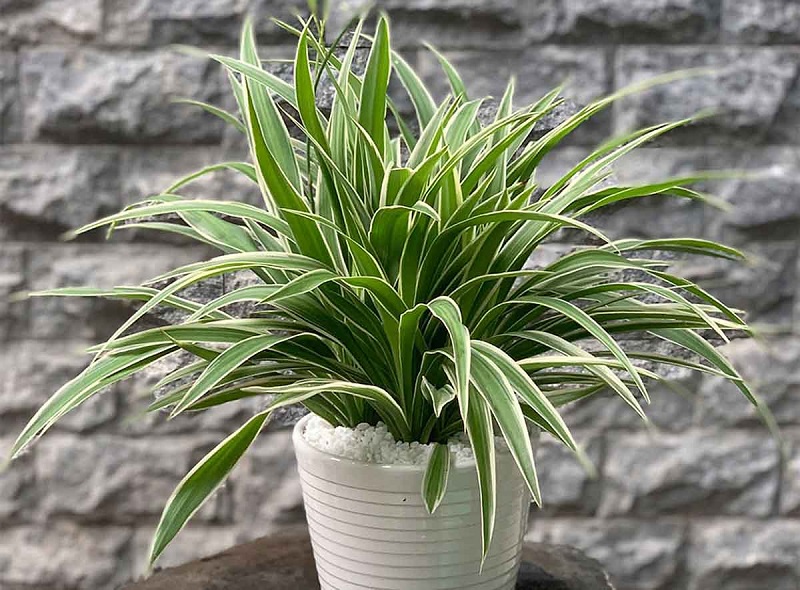
4. Areca Palm
The areca palm is often called a “natural humidifier.” In addition to removing formaldehyde and airborne particles, it releases moisture into
the air, helping balance dryness caused by air conditioning.
Its feathery leaves provide a large surface area for dust absorption, making it especially effective in larger rooms.
Why it’s effective:
-
Filters toxins and fine dust
-
Improves humidity levels
-
Enhances indoor atmosphere visually
Best placed in living rooms, open spaces, or near windows.
5. Aloe Vera
Aloe vera is best known for its healing gel, but it also plays a quiet role in improving air quality. It helps absorb formaldehyde and carbon
dioxide, especially in rooms with synthetic materials.
Aloe vera thrives in bright light and requires little watering, making it both practical and multifunctional.
Why it’s effective:
-
Absorbs chemical pollutants
-
Easy to maintain
-
Offers additional health uses
Ideal for kitchens, window sills, or home offices.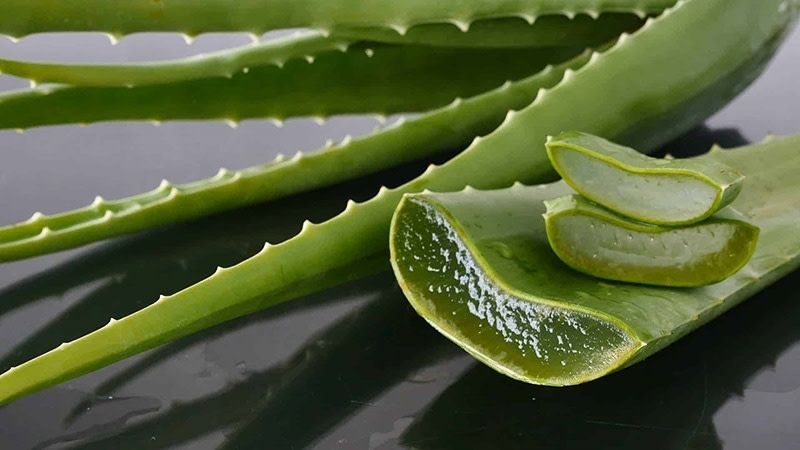
How Plants Help Purify the Air
Indoor plants improve air quality in several ways:
-
Leaves trap fine dust particles
-
Roots and soil microorganisms help break down toxins
-
Oxygen release improves freshness
-
Moisture regulation reduces airborne irritants
While one plant alone won’t completely eliminate pollutants, strategically placing several plants throughout the home can make a
noticeable difference over time.
Final Thoughts
Formaldehyde and fine dust are often invisible, but their impact on health is real. Adding the right plants to your living space is a natural,
affordable, and sustainable way to improve indoor air quality.
These five plants do more than decorate a room - they quietly work every day to create a cleaner, healthier environment. Sometimes, the
simplest solutions are rooted in nature.