Across many cultures, people have long believed that certain objects carry symbolic meanings that can influence the atmosphere of a home.
While these beliefs are rooted in tradition rather than science, they continue to shape how many households arrange, clean, and care for their
living spaces. Some items are thought to attract negative energy or represent misfortune if they are kept indoors for too long.
Although interpretations vary depending on cultural background and personal belief, there are several objects that are commonly associated
with bad luck or unwanted energy. Below are four items that many people believe should not be kept in the home, along with the reasons
behind these beliefs.
1. Broken Mirrors
The Belief:
Broken mirrors are widely associated with bad luck, often said to bring misfortune that lasts for years. This belief dates back to ancient times,
when mirrors were thought to reflect more than just a person’s appearance. Many cultures believed mirrors also captured a part of the soul or
one’s destiny.
Why People Avoid Them:
A broken mirror is seen as a symbol of disruption and imbalance. Cracks and shattered reflections represent fractured energy, which some
believe can affect personal relationships, health, or emotional stability. Even today, many people feel uneasy keeping a broken mirror in the
house, preferring to remove it immediately to restore harmony.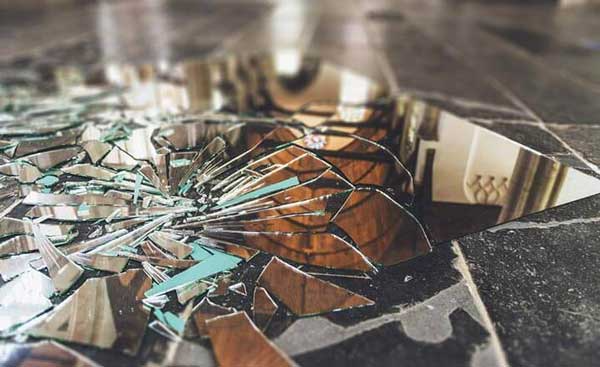
2. Old or Unused Shoes
The Belief:
Shoes are closely connected to movement, journeys, and life direction. Keeping old, unused, or worn-out shoes—especially near entrances—is
believed to bring stagnation or invite bad luck into the home.
Why People Avoid Them:
In some traditions, unused shoes symbolize blocked progress or unresolved paths. Shoes that no longer serve a purpose are thought to hold
onto past energy, including stress or difficulties experienced during previous journeys. Placing them around the house is believed to attract
unwanted outside energy and disrupt the flow of positivity within the home.
Decluttering old shoes is often seen not just as cleaning, but as a symbolic act of making space for new opportunities.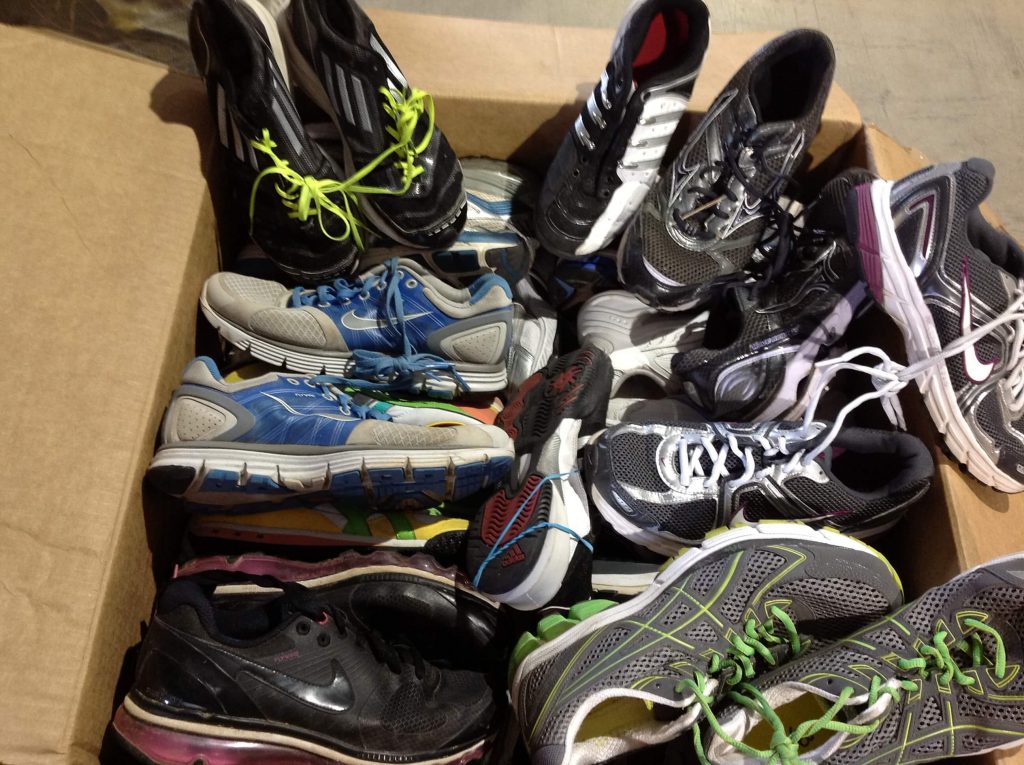
3. Empty Wallets or Purses
The Belief:
An empty wallet or purse is often associated with financial hardship or lack of abundance. Many cultures believe that keeping an empty wallet
at home sends a symbolic message of scarcity.
Why People Avoid Them:
Wallets are more than simple storage items; they represent wealth, stability, and financial flow. Leaving them empty is thought to discourage
prosperity and block financial growth. For this reason, some people keep a small amount of money, a lucky coin, or a meaningful note inside
their wallet as a symbol of continuous abundance.
This belief emphasizes intention - what you keep reflects what you invite.
4. De.ad or Dying Plants
The Belief:
Plants are widely regarded as symbols of life, growth, and renewal. When plants begin to wilt, decay, or die, they are believed to represent
stagnant or negative energy within the home.
Why People Avoid Them:
In practices such as Feng Shui, healthy plants are thought to enhance harmony, vitality, and prosperity. A dying plant, on the other hand,
symbolizes a loss of balance or energy. Keeping dead plants indoors is often associated with emotional heaviness, lack of growth, or declining
well-being.
Many people believe that removing unhealthy plants and replacing them with fresh, thriving ones helps restore positive energy and a sense of
renewal.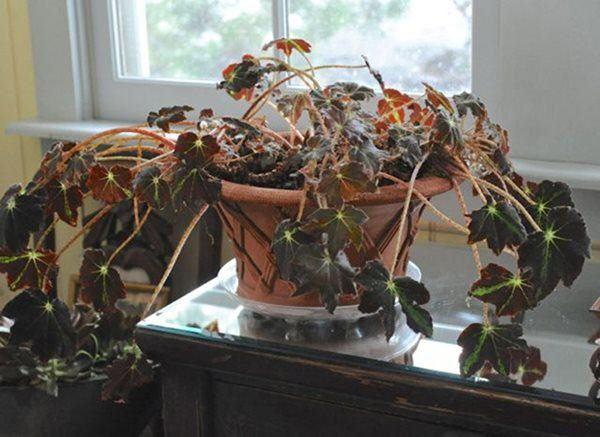
Final Thoughts
Whether or not one fully believes in superstition, these traditions often serve a practical purpose. They encourage cleanliness, organization,
mindfulness, and emotional awareness within the home. Broken objects, unused items, empty symbols, and decaying plants can affect how a
space feels - even on a psychological level.
At the very least, these beliefs remind people to maintain their living environment with care and intention. A home that feels balanced, clean,
and alive often supports peace of mind, clarity, and a more positive daily experience regardless of superstition.