In recent years, a number of research pinpointed the connection between our gut microbiota and our overall health.
From our mental well-being to how we react to stress and our vulnerability to autoimmune diseases such as rheumatoid arthritis and type 1 diabetes, the impact of our gut flora is far-reaching.
A recent study published in The Journal of Immunology offers fresh insights into the relationship between the microbiome and autism.
The World Health Organization defines autism as a diverse group of conditions related to development of the brain that affect social interaction and communication.
Further, WHO states that people with autism “often have co-occurring conditions, including epilepsy, depression, anxiety and attention deficit hyperactivity disorder as well as challenging behaviours such as difficulty sleeping and self-injury.” The intellectual capacities of these people wary from one individual to another.
The research suggests that our mother’s microbiota has greater influence on us developing autism than our own
“The microbiome can shape the developing brain in multiple ways,” John Lukens, lead researcher and PhD student from the University of Virginia School of Medicine, said in a statement.
“The microbiome is really important to the calibration of how the offspring’s immune system is going to respond to an infection or injury or stress.
What holds the clue between microbiome and autism might be a molecule produced by the immune system called interleukin-17a, or IL-17a.
So far, research showed that this cytokine plays a role in diseases such as psoriasis, multiple sclerosis, and rheumatoid arthritis, and is vital in defending the body against fungal infections. However, it also appears to influence brain development in the womb.
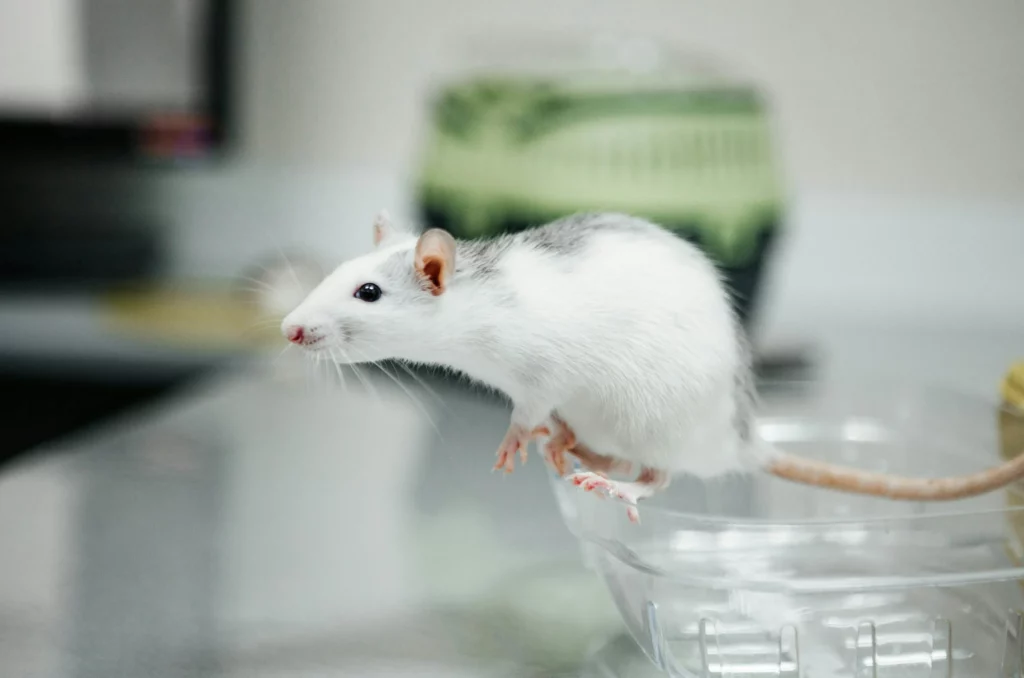
Scientists performed the research on mice with different gut microbiota. While one group had bacteria linked to a stronger inflammatory response triggered by IL-17a, the control group did not.
When they supressed IL-17a artificially at the pups, both groups displayed neurotypical behavior, but later on, when the human interference stopped and the mice grew naturally, those of the first group showed symptoms typical of autism, such as repetitive behavior.
Afterwords, researchers used the feces of the mice in the first group to perform a fecal transplant on the mice in the second group to effectively transfer the pro-inflammatory gut bacteria. As suspected, the mice from the second group also developed autism-like behavior.

While researchers have only conducted the study on mice, it does provide a foundation for further research that could determine the extent the mother’s gut health contributes to the development of neurodevelopmental disorders.
“In terms of translating our work to humans, I think the next big step would be to identify features of the microbiome in pregnant mothers that correlate with autism risk,” Lukens said. “I think the really important thing is to figure out what kind of things can be used to modulate the microbiome in the mother as effectively and safely as we can.”
While blocking IL-17a also might offer a way to prevent autism, Lukens said it comes with certain risks. “If you think about pregnancy, the body is basically accepting foreign tissue, which is a baby,” he said. “As a result, maintenance of embryonic health demands a complex balance of immune regulation, so people tend to shy away from manipulating the immune system during pregnancy.”
He suggested there are plenty of other molecules to explore, as IL-17a is just a tiny part of a much bigger picture.