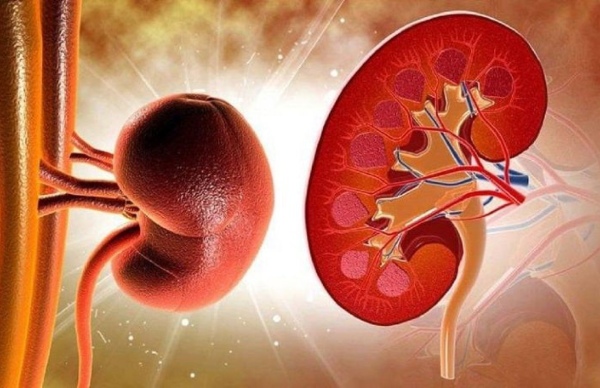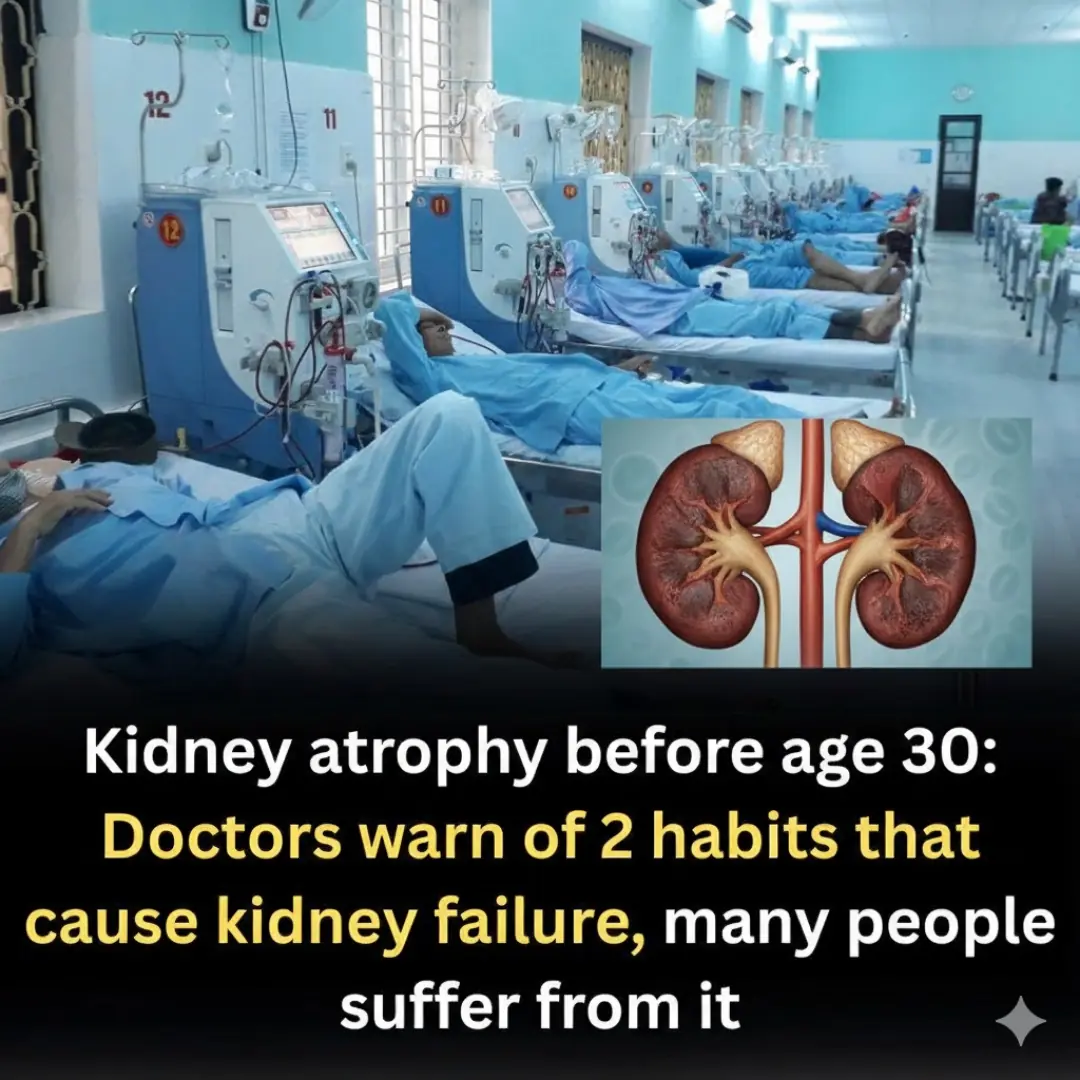
Kidney disease is often thought of as a problem that develops later in life. However, doctors are increasingly seeing signs of kidney atrophy
and declining kidney function in people under 30. In many cases, the cause is not genetics or rare illness - but daily habits that quietly
damage the kidneys over time.
The kidneys are resilient organs, but once damage accumulates, it can be difficult or impossible to reverse. Understanding the risks early and
knowing how to protect kidney health can make a critical difference.
Why Kidney Atrophy Is So Dangerous
Kidney atrophy occurs when kidney tissue shrinks or loses functional cells. This reduces the kidneys’ ability to:
-
Filter waste from the blood
-
Regulate fluid and electrolyte balance
-
Control blood pressure
-
Support red blood cell production
Early kidney damage often produces no obvious symptoms, which is why many young people are unaware of the problem until it becomes
severe.
Habit #1: Chronic Dehydration
One of the most common and underestimated causes of kidney damage in young adults is not drinking enough water.
Many people:
-
Skip water during long work or study hours
-
Replace water with coffee, energy drinks, or soda
-
Ignore thirst signals
When the body is dehydrated, the kidneys must work harder to concentrate urine and remove toxins. Over time, this constant strain can
damage kidney tissue and increase the risk of:
-
Kidney stones
-
Urinary tract infections
-
Reduced kidney filtration
-
Progressive kidney atrophy
Why this is especially dangerous for young people:
High activity levels, intense workouts, and busy schedules increase fluid needs. Without adequate hydration, kidney stress becomes chronic.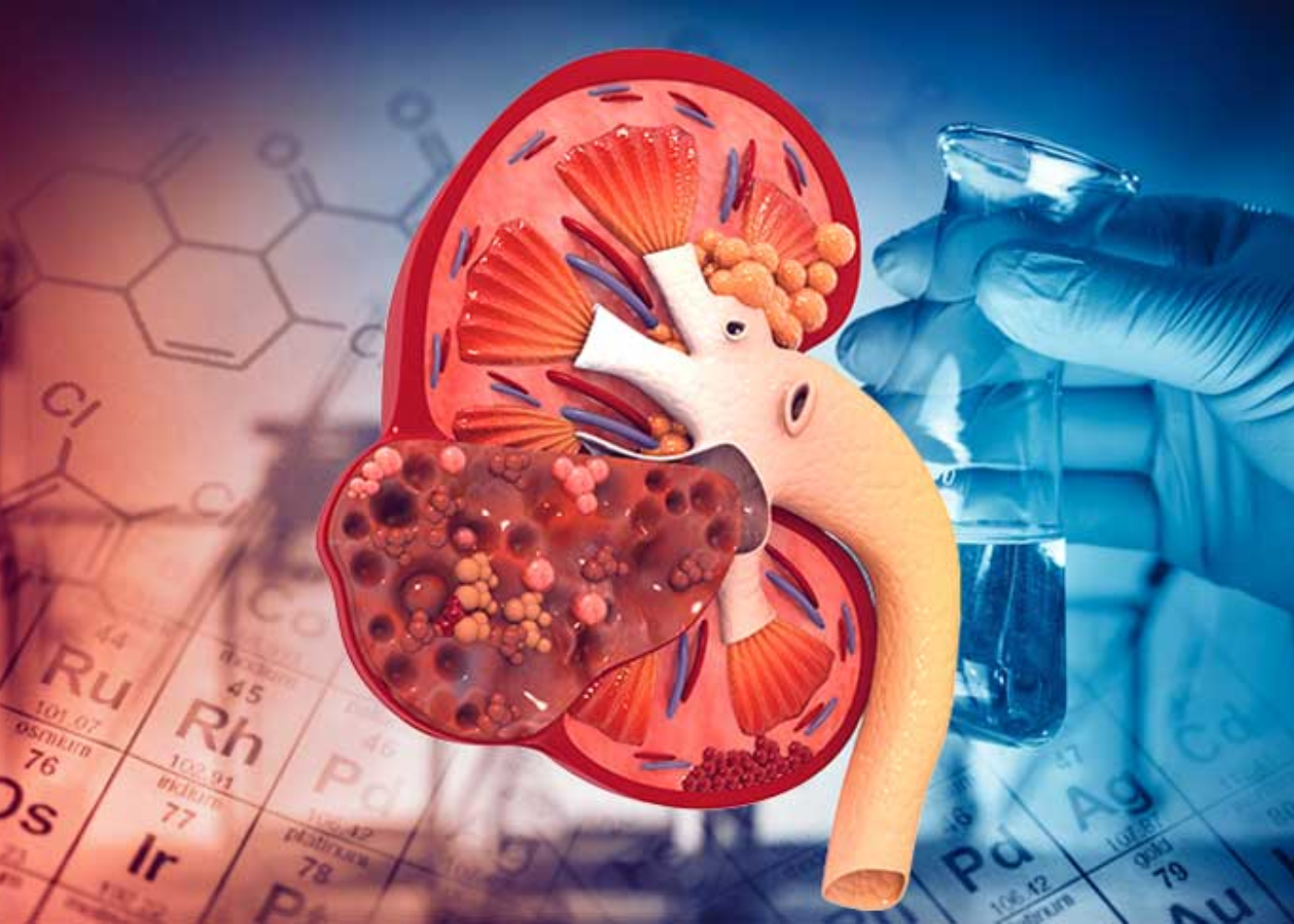
Habit #2: Overuse of Painkillers and Certain Medications
Frequent use of non-prescription painkillers, especially nonsteroidal anti-inflammatory drugs (NSAIDs), is another major contributor to
kidney damage.
Common examples include medications taken for:
-
Headaches
-
Muscle pain
-
Menstrual pain
-
Sports injuries
When used regularly or in high doses, these drugs can:
-
Reduce blood flow to the kidneys
-
Damage kidney filtering units
-
Accelerate loss of kidney function
Many young adults assume over-the-counter medications are harmless. In reality, long-term or excessive use can quietly harm the kidneys,
especially when combined with dehydration.
Additional Factors That Increase Risk
While the two habits above are primary contributors, other factors can worsen kidney damage:
-
High-sodium diets
-
Excessive protein supplements without medical guidance
-
Frequent alcohol consumption
-
Smoking
-
Poorly controlled blood pressure
These factors often work together, speeding up kidney deterioration.
Warning Signs You Should Not Ignore
Early kidney damage may be silent, but possible warning signs include:
-
Persistent fatigue
-
Swelling in the face, hands, or ankles
-
Foamy or dark-colored urine
-
Frequent urination at night
-
Difficulty concentrating
Anyone experiencing these symptoms should seek medical evaluation.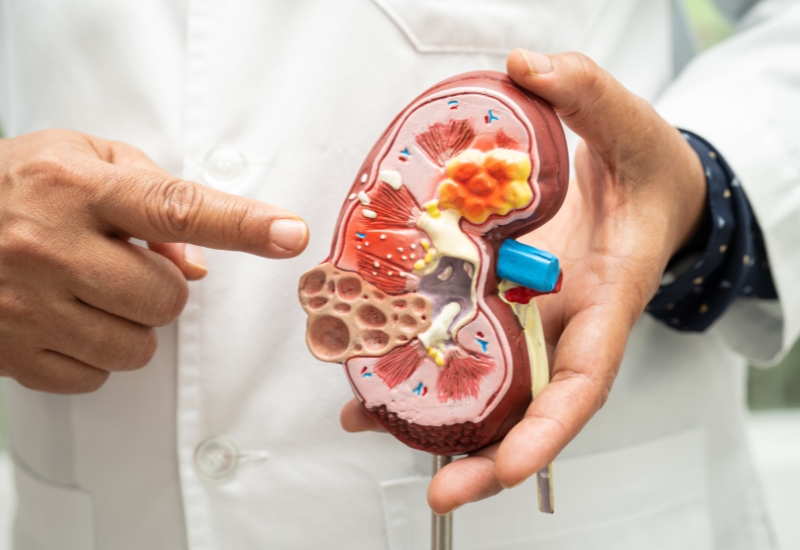
How to Protect Your Kidneys and Prevent Damage
1. Stay Properly Hydrated
-
Drink water consistently throughout the day
-
Increase intake during exercise or hot weather
-
Limit reliance on sugary or caffeinated drinks
A good general guideline is pale-yellow urine, which often indicates adequate hydration.
2. Use Medications Responsibly
-
Avoid frequent or long-term use of painkillers without medical advice
-
Follow recommended dosages strictly
-
Never mix painkillers with alcohol
-
Consult a doctor if pain is persistent
3. Eat a Kidney-Friendly Diet
-
Reduce excess salt and processed foods
-
Eat plenty of vegetables and fruits
-
Balance protein intake - more is not always better
4. Limit Alcohol and Avoid Smoking
Both alcohol and smoking increase oxidative stress and reduce kidney blood flow, accelerating damage.
5. Get Regular Health Checkups
Simple tests such as:
-
Blood creatinine levels
-
Urine protein tests
-
Blood pressure monitoring
can detect kidney issues early, when intervention is most effective.
Final Thoughts
Kidney atrophy before age 30 is not inevitable - but it is preventable in many cases. Chronic dehydration and careless medication use are 2
habits that quietly damage the kidneys while people feel completely fine.
Protecting kidney health doesn’t require drastic changes - just consistent, informed choices. Drinking enough water, respecting medications,
and paying attention to early warning signs can help preserve kidney function for decades to come.
Your kidneys work every minute of your life. Taking care of them early is one of the smartest investments you can make in your long-term
health.