4 Morning Habits That Increase Stroke Risk – Avoid Them at All Ages
Many people start their mornings with unhealthy habits that unknowingly increase their risk of stroke. A stroke occurs when blood flow to the brain is interrupted, leading to serious complications like paralysis, brain damage, or even death.
Morning is a high-risk time for strokes, as the body undergoes sudden changes in blood pressure, heart rate, and circulation after waking up. If you want to reduce your risk, you should avoid these 4 common morning habits that may be putting you closer to a stroke.
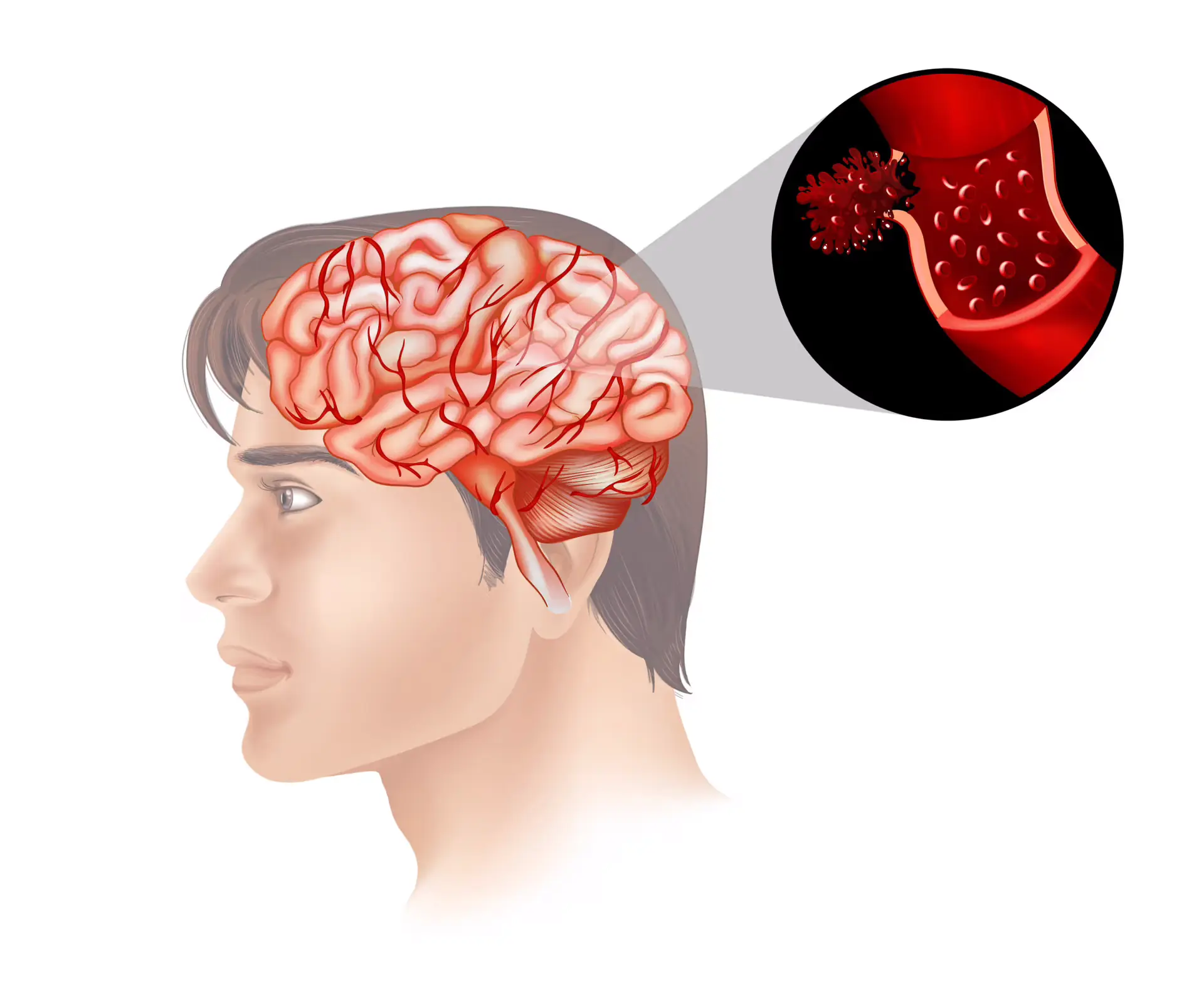
1. Getting Out of Bed Too Quickly
Many people jump out of bed immediately after waking up, but this can be dangerous for your heart and brain.
✔ Why It Increases Stroke Risk:
- After sleeping for several hours, blood pressure is lower, and the body needs time to adjust.
- Sudden movement can cause a sharp rise in blood pressure, increasing the risk of stroke.
- Older adults and people with high blood pressure are at even greater risk.
🚨 Signs You’re Moving Too Fast:
- Feeling dizzy or lightheaded after getting up.
- Sudden headaches or blurred vision.
- Temporary numbness or weakness in limbs.
💡 What to Do Instead:
- Take 30 seconds to a minute before getting out of bed.
- First, move your hands and feet gently, then sit up slowly.
- Take deep breaths before standing to regulate blood circulation.
2. Skipping Breakfast or Eating Unhealthy Foods
Breakfast is the first meal of the day, and what you eat can impact blood flow, blood pressure, and brain function.
✔ Why It Increases Stroke Risk:
- Skipping breakfast can cause blood sugar levels to drop, leading to stress on the cardiovascular system.
- Eating high-sodium or high-fat foods in the morning can raise cholesterol and blood pressure, increasing stroke risk.
- Lack of proper nutrients in the morning can increase inflammation in the body, which contributes to stroke.
🚨 Unhealthy Breakfast Foods to Avoid:
❌ Processed meats (bacon, sausage, ham) – High in salt and cholesterol.
❌ Sugary pastries and cereals – Cause blood sugar spikes and crashes.
❌ Too much coffee on an empty stomach – Raises blood pressure suddenly.
💡 What to Eat Instead:
- Oatmeal or whole grains – Supports heart and brain health.
- Eggs and vegetables – Provide protein and essential vitamins.
- Fruits and nuts – Reduce inflammation and improve circulation.
3. Drinking Too Little Water in the Morning
Many people forget to drink water after waking up, but morning dehydration can increase the risk of stroke.
✔ Why It Increases Stroke Risk:
- Overnight, the body loses water through breathing and sweating, making blood thicker in the morning.
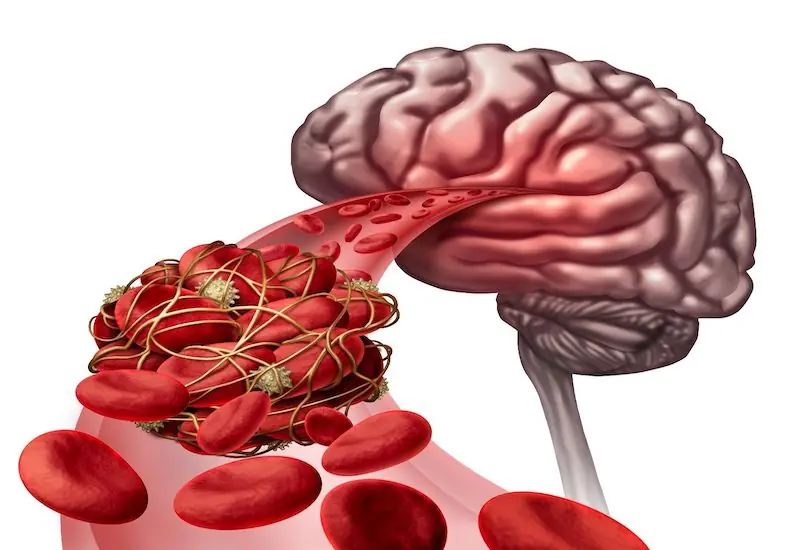
- Dehydration can increase blood clot formation, a major cause of stroke.
- Thick blood moves more slowly, making it harder for the brain to receive oxygen.
🚨 Signs of Morning Dehydration:
- Dry mouth and dark-colored urine.
- Headache and dizziness.
- Tiredness or lack of focus.
💡 What to Do Instead:
- Drink a glass of water first thing in the morning before eating.
- Avoid drinking coffee or tea on an empty stomach, as caffeine can dehydrate the body further.
- Add lemon or honey to warm water to aid digestion and circulation.
4. Holding in Your Urine for Too Long
Some people ignore the urge to urinate in the morning, but this puts stress on the heart and blood vessels, increasing the risk of stroke.
✔ Why It Increases Stroke Risk:
- A full bladder causes blood pressure to rise, which can trigger a stroke in high-risk individuals.
- Holding urine for too long forces the body to retain waste toxins, increasing inflammation.
- It can lead to urinary tract infections (UTIs), which increase overall stress on the immune system.
🚨 Signs You’re Holding It Too Long:
- Discomfort or cramping in the lower abdomen.
- Strong-smelling urine or bladder pain.
- Feeling a sudden surge in blood pressure when finally urinating.