Understanding Peripheral Neuropathy in the Feet
-
Peripheral neuropathy is a complex condition with many possible causes and symptoms. It can be difficult to tell whether a tingling sensation in your toes is temporary or a sign that you should see a doctor.
-
Although only a medical professional can make a diagnosis, many risk factors and symptoms are easy to recognize once you know what to look for.
-
This article explains the full picture of foot neuropathy, including common symptoms, causes, diagnosis, treatment options, and prevention strategies—helping you take control of your health with confidence.
Can Toenail Fungus Cause Neuropathy?
-
Toenail fungus does not cause peripheral neuropathy.
-
If numbness occurs alongside a fungal infection, the issue is more likely related to poor circulation.
-
Seek medical attention promptly if you experience numbness, tingling, or loss of sensation in your feet.
What Is Peripheral Neuropathy?
-
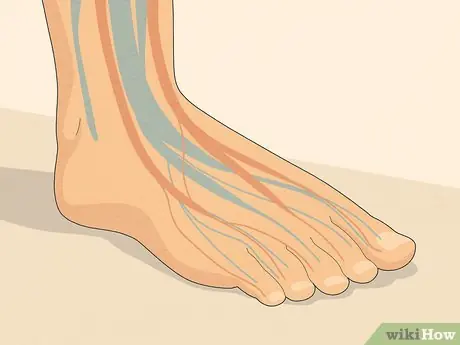
Peripheral neuropathy affects the peripheral nervous system, which includes all nerves outside the brain and spinal cord.
-
It is an umbrella term covering over 100 nerve disorders, often caused by diabetes, injury, infections, or other underlying conditions.
-
Peripheral neuropathy can affect different types of nerves, including:
-
Sensory nerves, which control feeling, touch, and temperature in the feet
-
Motor nerves, which control movement, balance, and muscle strength
-
Autonomic nerves, which regulate involuntary functions such as sweating, heartbeat, and bladder control
-
-
Because multiple nerve types may be involved, symptoms and treatment needs can vary widely from person to person.
Common Symptoms of Foot Neuropathy
-
Numbness, tingling, or reduced sensation
-
Often begins in the toes and gradually spreads upward
-
May feel like wearing an “invisible sock”
-
-
Burning pain or extreme sensitivity to touch
-
Pain may feel sharp, freezing, stabbing, or burning
-
Symptoms often worsen at night
-
-
Muscle weakness, balance issues, or coordination problems
-
Increased risk of trips and falls
-
Muscle cramps, twitching, or difficulty walking
-
-
Changes in toenails or foot skin
-
Thickened, brittle, or discolored nails
-
Dry, cracked, or flaky skin due to reduced sweating
-
-
Foot ulcers or slow-healing wounds
-
Small cuts may develop into open sores without noticeable pain
-
Ulcers are especially common in people with diabetes
-
-
Complete loss of sensation
-
Severe numbness increases injury risk
-
Pain signals may become exaggerated despite reduced feeling
-
Causes and Risk Factors
-
Diabetes is the leading cause of peripheral neuropathy
-
High blood sugar damages nerves and blood vessels over time
-
-
Autoimmune diseases and infections
-
Including rheumatoid arthritis, lupus, HIV, shingles, and hepatitis C
-
-
Nutritional deficiencies and metabolic disorders
-
Especially low levels of vitamins B1, B6, and B12
-
-
Physical injuries or repetitive stress
-
Trauma, surgery, arthritis, or prolonged pressure on nerves
-
-
Toxins and medications
-
Alcohol misuse, chemotherapy, and certain prescription drugs
-
Diagnosis
-
See your primary care physician as soon as symptoms appear
-
Physical exams and blood tests help rule out other conditions
-
-
Neurological testing may be required
-
EMG, nerve conduction studies, and sensory response tests identify nerve damage and severity
-
Treatment Options
-
Treat the underlying cause
-
Managing diabetes, infections, or autoimmune conditions is essential
-
-
Manage pain symptoms
-
Medications such as anticonvulsants, antidepressants, or topical treatments may help
-
-
Physical therapy
-
Improves balance, strength, and mobility while reducing nerve pressure
-
-
Surgery (rare cases)
-
Used when tumors or severe nerve compression are involved
-
 Prevention and Self-Care
-
Control blood sugar, blood pressure, and cholesterol
-
Inspect your feet daily for cuts, sores, or injuries
-
Exercise regularly and maintain a balanced diet
-
Limit alcohol and avoid smoking
-
Schedule regular foot and nerve health checkups