These 3 Vegetables May Carry Hidden Risks — What You Should Know Before Putting Them on Your Plate
Vegetables are widely considered symbols of health. They are associated with longevity, disease prevention, and clean eating. However, not all vegetables are equally safe in every condition. When grown, stored, or prepared improperly, some vegetables can become carriers of harmful substances that may increase long-term health risks.
The image above delivers a strong warning — and while the message may sound alarming, it highlights a very real issue: risk does not always come from the food itself, but from how it is handled.
This article does not claim that these vegetables directly cause cancer. Instead, it explains why certain vegetables may become risky under specific conditions, and how awareness can help reduce unnecessary exposure.
Important Context Before Reading Further
No single vegetable automatically causes cancer.
Health risks depend on:
-
Growing conditions
-
Chemical exposure
-
Storage methods
-
Preparation habits
-
Frequency of consumption
Understanding these factors is the key to protecting yourself and your family — not fear or avoidance of vegetables altogether.
1. Leafy Vegetables Grown in Contaminated Environments
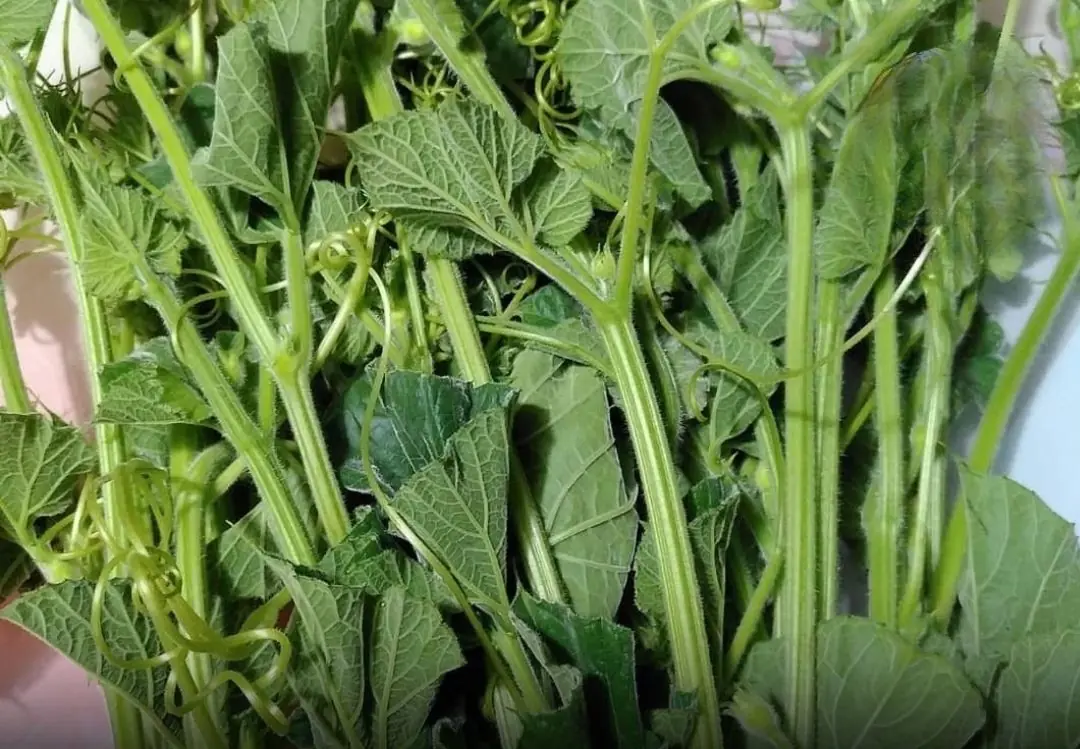
Leafy greens grow close to the ground and have large surface areas. This makes them particularly vulnerable to absorbing environmental contaminants.
Why risk can increase
-
Absorption of heavy metals from polluted soil
-
Exposure to pesticide residue
-
Contaminated irrigation water
-
Growth near industrial or roadside areas
Some leafy vegetables can accumulate substances like nitrates, which under certain conditions may convert into harmful compounds inside the body.
The issue is not the vegetable
Leafy greens themselves are nutrient-rich and beneficial. The danger arises when:
-
They are grown without proper regulation
-
They are consumed excessively without variety
-
They are not washed thoroughly
2. Vegetables Preserved or Pickled Incorrectly
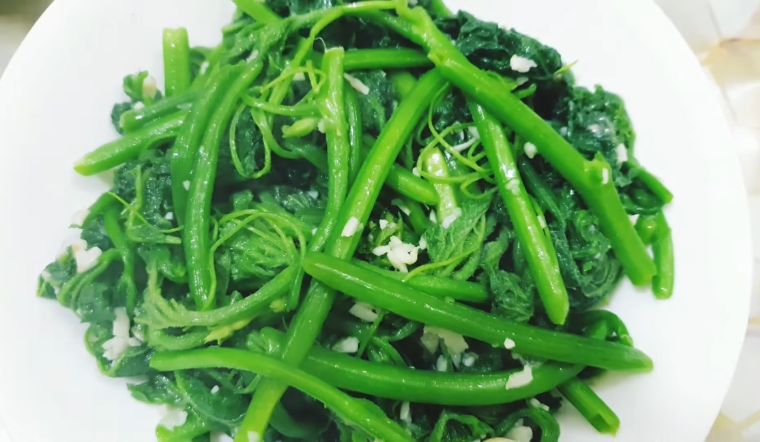
Preservation is meant to extend shelf life, but unsafe pickling or fermentation methods can increase health risks.
What can go wrong
-
Formation of nitrosamines under improper conditions
-
Excessive salt content
-
Poor hygiene during fermentation
-
Long-term storage at unsuitable temperatures
Nitrosamines are compounds that have been studied for their potential association with cancer risk when exposure is prolonged.
Common examples
-
Improperly pickled greens
-
Vegetables stored for long periods in sealed containers
-
Homemade preserved foods without safety controls
Traditional foods can be safe when prepared correctly — but shortcuts or lack of knowledge increase risk.
3. Vegetables with High Nitrate Content When Overconsumed
Certain vegetables naturally contain higher levels of nitrates. On their own, nitrates are not harmful and can even play beneficial roles in the body.
The concern arises when:
-
Intake is excessive
-
Diet lacks balance
-
Cooking or storage methods promote chemical conversion
Under specific conditions, nitrates may convert into compounds that stress cellular systems over time.
Risk factors include
-
Eating the same vegetable daily without variation
-
Combining with highly processed meats
-
Poor gut health
Balance and dietary diversity matter more than elimination.
Why These Risks Are Often Overlooked
Many people believe that “natural” automatically means “safe.” This assumption leads to complacency.
Additionally:
-
Visual freshness does not guarantee safety
-
Harmful residues are often invisible
-
Long-term effects do not appear immediately
Because consequences may take years to manifest, daily exposure often goes unnoticed.
The Real Problem Is Repetition Without Awareness
Health risks rarely come from a single meal.
They develop through:
-
Repeated exposure
-
Long-term habits
-
Lack of dietary diversity
Eating the same vegetables daily, sourced from unknown environments and prepared the same way, increases cumulative risk — even when intentions are healthy.
How to Reduce Risk Without Giving Up Vegetables
There is no need to fear vegetables. Instead, focus on smarter choices.
Protective habits include
-
Washing vegetables thoroughly
-
Rotating vegetable types regularly
-
Choosing reliable sources when possible
-
Avoiding overconsumption of preserved vegetables
-
Cooking properly rather than eating everything raw
Variety is one of the strongest protective factors in nutrition.
Why Sharing This Information Matters
Health awareness spreads through conversation. Many people unknowingly repeat habits they learned years ago without questioning safety.
Sharing information is not about creating panic — it is about empowering better choices.
When people know the risks, they can reduce them.
Final Thought: Knowledge Is Prevention
Vegetables remain a cornerstone of a healthy diet. But health is not built on assumptions — it is built on understanding.
Risk does not always come from what we eat, but from how often, how much, and how blindly we consume it.
Learning early allows smarter decisions later — for yourself and for the people you care about.
Eat vegetables. Eat wisely. And let awareness be part of your daily nutrition.