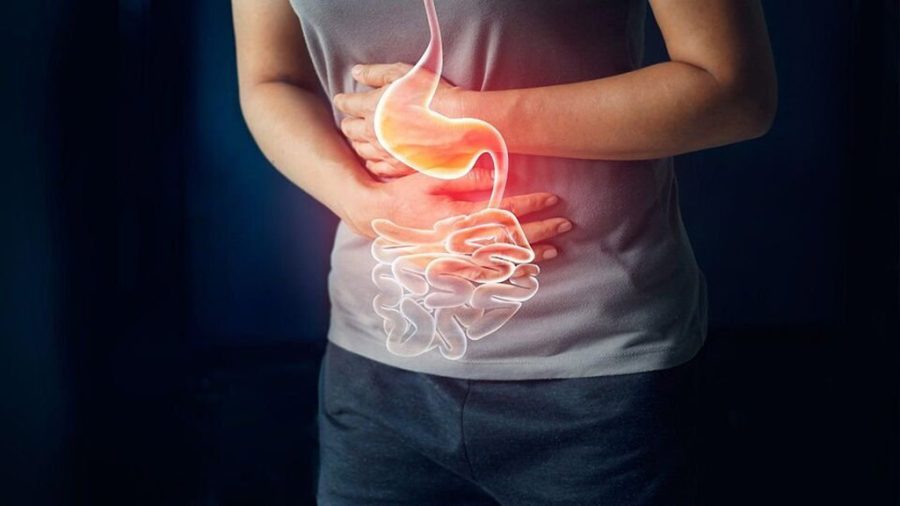
Stomach cancer is often called a “silent disease” because its early symptoms can be vague, mild, or easily mistaken for common digestive
problems. As a result, many cases are only diagnosed at an advanced stage, when treatment options are more limited and outcomes are
less favorable.
Doctors emphasize that paying attention to persistent symptoms after meals can make a critical difference. While these signs do not
automatically mean cancer, they may indicate underlying stomach disorders that require medical evaluation. In some cases, an early
endoscopy can detect problems long before they become life-threatening.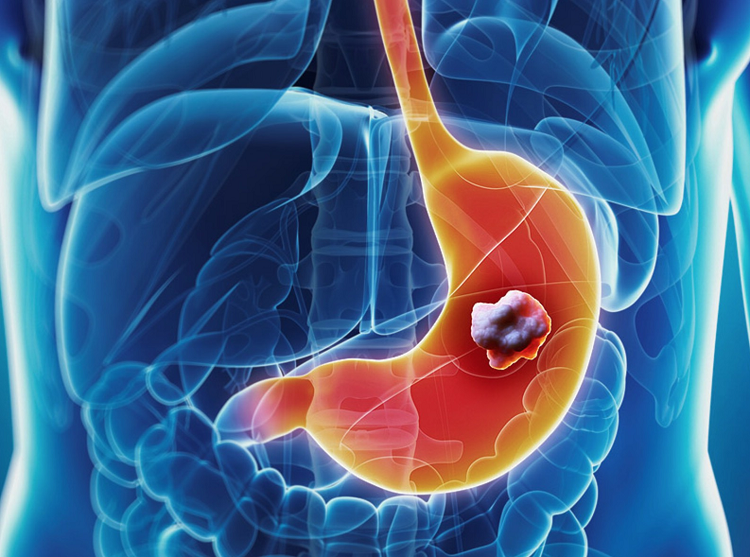
Why Stomach Cancer Is Often Found Too Late
In its early stages, stomach cancer may cause little to no discomfort. When symptoms do appear, they often resemble:
-
Indigestion
-
Acid reflux
-
Mild gastritis
Because these conditions are common, many people delay seeing a doctor. By the time symptoms become severe, the disease may already be
advanced. This is why doctors stress the importance of recognizing warning signs early, especially when they occur repeatedly after eating.
5 After-Meal Symptoms Doctors Say You Should Not Ignore
1. Persistent Fullness After Eating Small Amounts
Feeling full very quickly, even after eating only a small portion, can be an early warning sign. This sensation, known as early satiety, may occur
when the stomach lining is irritated or when its ability to expand is reduced.
If this feeling persists over weeks or months and is not related to dieting or lifestyle changes, doctors recommend further evaluation.
2. Ongoing Indigestion or Upper Abdominal Discomfort
Occasional indigestion is normal, but frequent or persistent discomfort after meals is not. Symptoms may include:
-
Burning or aching pain in the upper abdomen
-
Pressure or heaviness after eating
-
Discomfort that does not improve with antacids
When indigestion becomes chronic, especially in people over 40 or those with risk factors, doctors often advise endoscopic examination.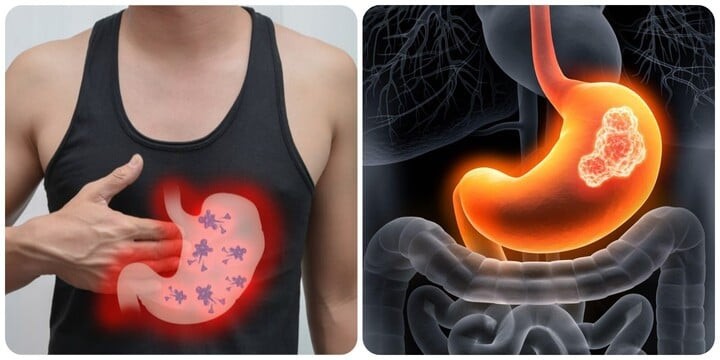
3. Nausea or Vomiting After Meals
Regular nausea after eating, with or without vomiting, may indicate irritation or blockage within the stomach. In more serious cases, vomiting
may occur shortly after meals or contain traces of blood.
Even mild but persistent nausea should not be ignored if it occurs frequently after eating.
4. Unexplained Loss of Appetite or Weight
A noticeable decrease in appetite after meals—especially when accompanied by unintentional weight loss—is a red flag. When the stomach
is not functioning properly, the body may subconsciously avoid eating due to discomfort.
Doctors consider unexplained weight loss one of the most important warning signs that warrants immediate medical attention.
5. Feeling Bloated or Heavy for Long Periods After Eating
Occasional bloating is common, but constant bloating or a heavy sensation after meals that does not resolve may suggest delayed
stomach emptying or irritation of the stomach lining.
If bloating persists despite dietary changes, further investigation may be necessary.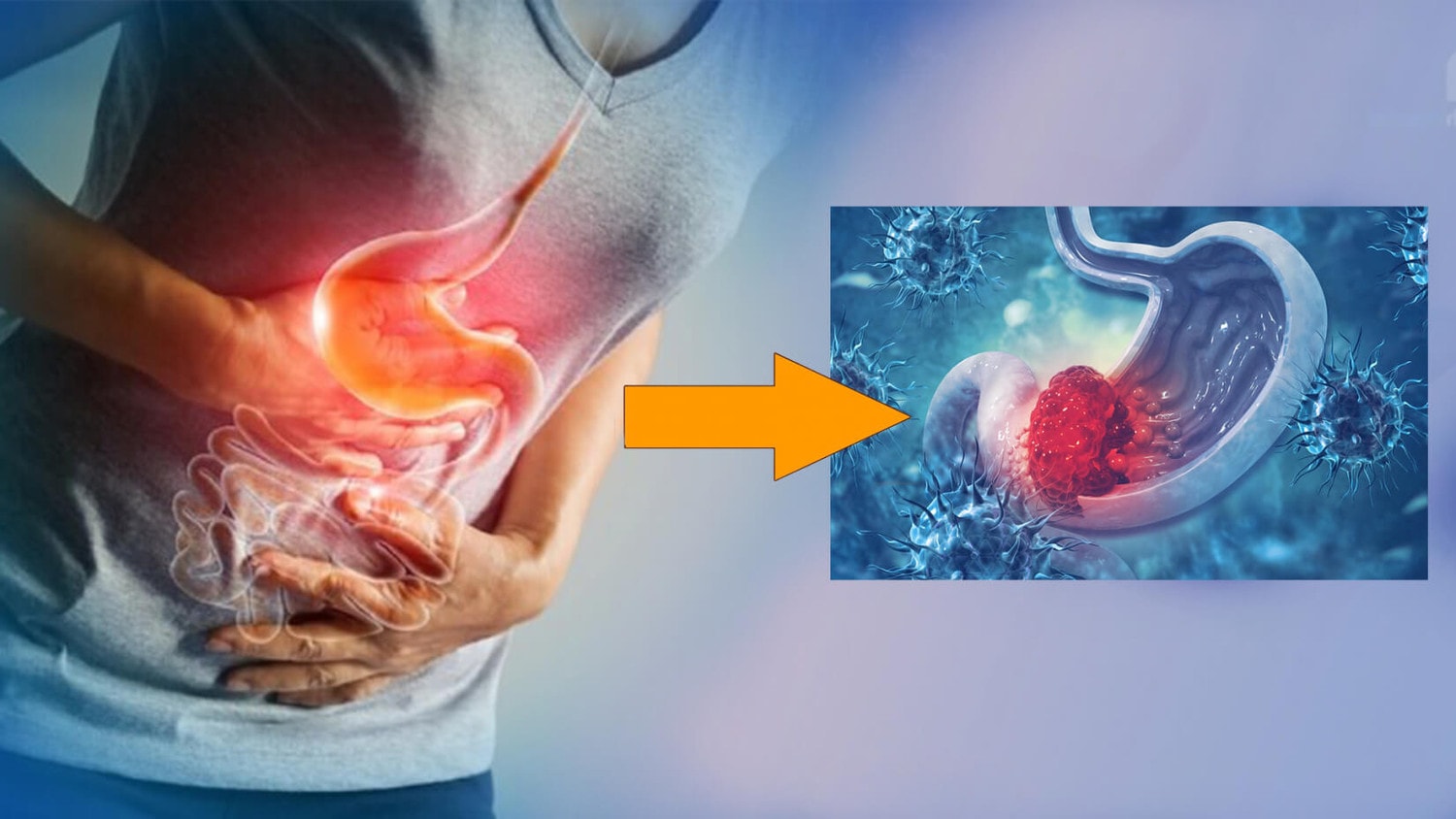
When Doctors Recommend an Early Endoscopy
An endoscopy allows doctors to visually examine the stomach lining and detect:
-
Inflammation
-
Ulcers
-
Precancerous changes
-
Early-stage cancer
Doctors may recommend early endoscopy if:
-
Symptoms persist for more than 2–3 weeks
-
Symptoms worsen over time
-
There is a family history of stomach cancer
-
The patient is over a certain age or has known risk factors
Early detection dramatically improves treatment outcomes.
Who Should Be Especially Cautious?
Certain groups are at higher risk and should be particularly attentive to symptoms:
-
People with chronic gastritis or H. pylori infection
-
Individuals with a family history of stomach cancer
-
Smokers or heavy alcohol consumers
-
People with long-term digestive disorders
For these individuals, doctors may recommend screening even before symptoms become severe.
Final Thoughts
Not every digestive issue is serious, but persistent after-meal symptoms should never be ignored. Stomach cancer is often detected late
precisely because early signs are subtle and dismissed as routine indigestion.
Listening to your body, tracking symptoms, and seeking medical advice early can save lives. If you experience ongoing discomfort after meals,
consult a healthcare professional. An early endoscopy is not something to fear - it can be a powerful tool for reassurance, early treatment, and long-term health.
Early attention can make all the difference.