3 Intimate Habits of Husbands That May Increase Wives’ Risk of Cervical Cancer — And Why Stopping Early Matters
Cervical cancer is often discussed as a women’s health issue. But science has made one thing very clear: it is not caused by women alone. In many cases, a partner’s habits — especially intimate ones — play a critical role in increasing or reducing risk.
At the center of this issue is HPV (human papillomavirus), a common sexually transmitted virus linked to nearly all cases of cervical cancer. Most people carry HPV at some point in their lives without symptoms. The danger comes when the virus persists, spreads repeatedly, or combines with other risk factors.
Below are three intimate habits in husbands that research shows can significantly raise their wives’ risk of cervical cancer — often without either partner realizing it.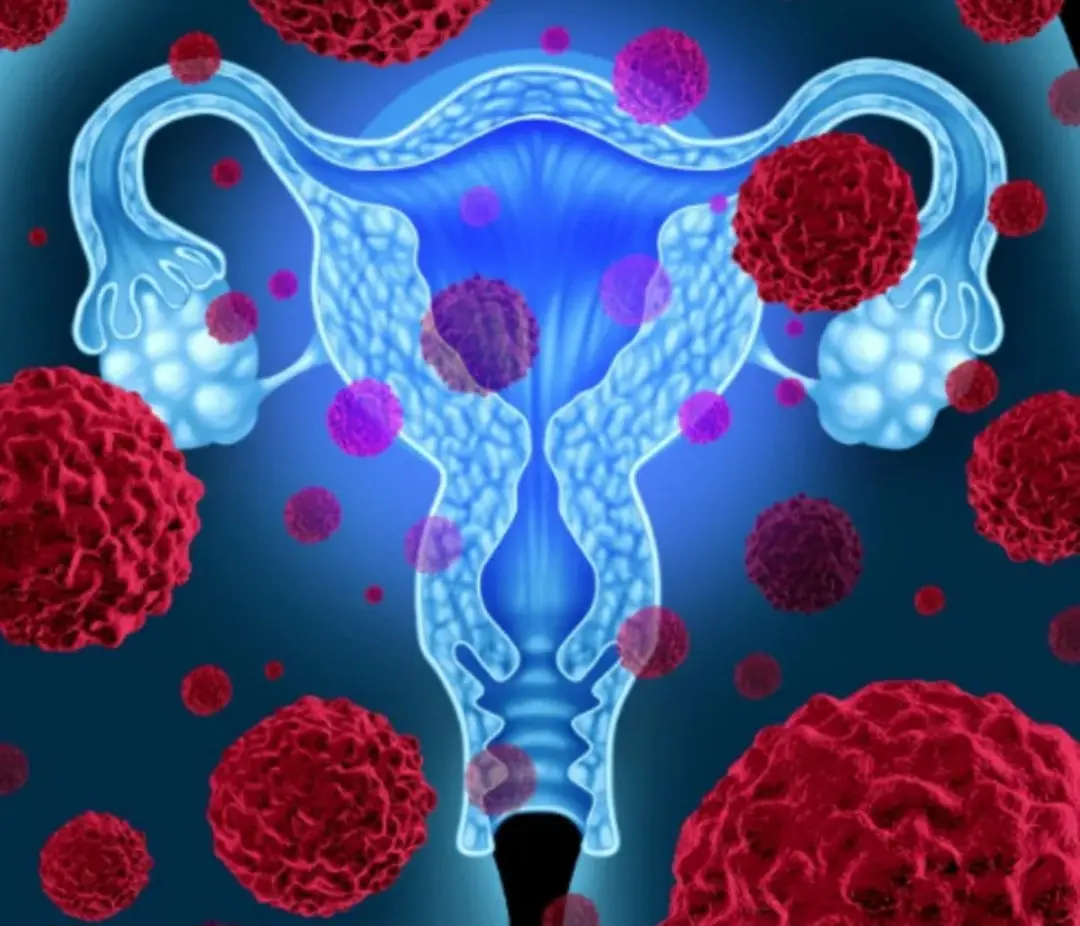
1. Having Multiple Sexual Partners Without Protection
This is one of the strongest and most consistently proven risk factors.
HPV spreads through skin-to-skin sexual contact. A husband who has had multiple sexual partners — especially without consistent protection — has a much higher chance of carrying high-risk HPV strains. Even if he shows no symptoms, the virus can be passed to his wife and remain dormant for years.
What makes this dangerous is that HPV does not cause immediate illness. A wife may feel completely healthy while abnormal cervical cell changes slowly develop in the background.
Why this matters:
-
High-risk HPV strains are the main cause of cervical cancer
-
Reinfection increases persistence of the virus
-
The immune system may struggle to clear repeated exposure
Trust alone does not eliminate biological risk. Protection and honesty do.
2. Poor Genital Hygiene and Ignoring Infections
This habit is rarely talked about — but it matters more than people think.
Poor genital hygiene, untreated infections, or chronic inflammation in male partners can create an environment where HPV survives longer and spreads more easily. Bacteria and viruses thrive in warm, moist conditions, and repeated exposure can weaken the cervical lining over time.
In addition, men often delay medical checkups, dismissing mild symptoms such as irritation, discharge, or odor. These untreated issues can increase viral load and transmission risk.
Why this increases danger:
-
Chronic inflammation weakens cervical tissue
-
Higher viral load increases HPV persistence
-
Repeated irritation reduces the body’s ability to heal
Cleanliness is not about appearance — it is about disease prevention.
3. Refusing Condom Use or Dismissing HPV Prevention
Condoms do not provide 100% protection against HPV, but they significantly reduce transmission risk. A husband who consistently refuses condoms — especially when not in a mutually monogamous relationship — increases exposure frequency.
Equally risky is dismissing HPV education, vaccination, or screening. Some men believe HPV is “a women’s issue” and therefore irrelevant to them. This mindset leads to missed opportunities for prevention.
The reality:
-
HPV affects both partners
-
Men can carry and transmit the virus for years
-
Prevention requires cooperation, not blame
Ignoring prevention does not make the risk disappear — it multiplies it.
Why These Habits Matter More Than Ever\

Cervical cancer often develops slowly and silently. By the time symptoms appear, the disease may already be advanced. That is why prevention at the partner level is so critical.
Medical research shows that women with partners who:
-
Have multiple sexual partners
-
Practice poor genital hygiene
-
Avoid protection and screening
face a significantly higher lifetime risk of cervical abnormalities and cancer.
This is not about fear. It is about responsibility.
What Couples Can Do Starting Today
Reducing risk does not require drastic measures. It requires consistency and awareness.
Smart steps include:
-
Mutual monogamy and honest communication
-
Proper genital hygiene for both partners
-
Regular health checkups
-
Condom use when appropriate
-
HPV vaccination and routine cervical screening
When both partners participate, prevention becomes powerful.
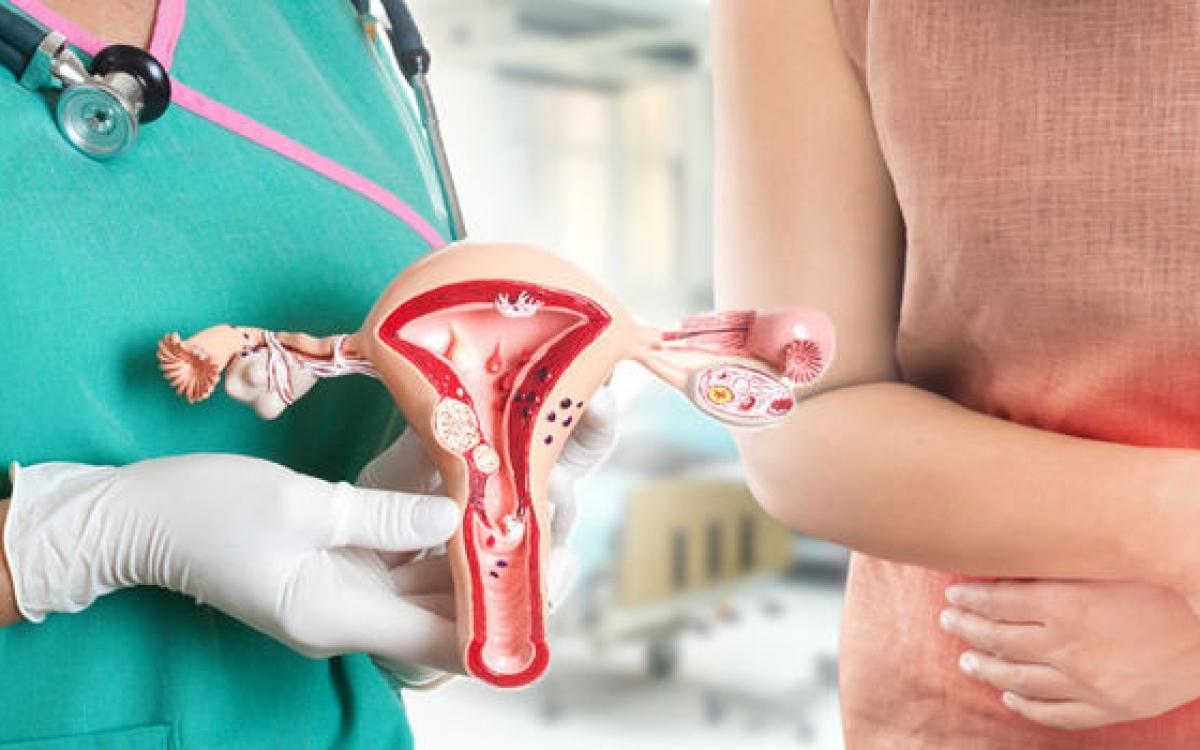
The Bottom Line
Cervical cancer is preventable in most cases. But prevention does not rest on women alone.
A husband’s intimate habits can either protect his wife — or silently put her at risk. Awareness, respect, and proactive health choices can stop that risk long before it turns into disease.
Stopping harmful habits early is not just an act of love.
It is an act of protection.