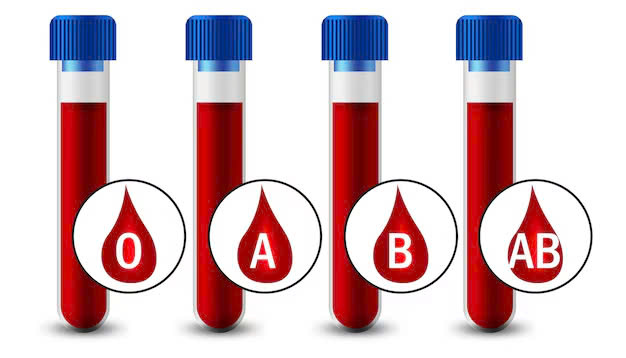
Blo.od type is something most people learn early in life - often during a medical test or blood donation and then rarely think about again. It
is commonly associated with transfusions and emergencies, but in recent years, scientists have become increasingly interested in whether
blood type may be linked to certain aspects of health and disease risk.
While blo.od type does not determine your destiny or overall health, research suggests it may play a supporting role in how the body
responds to infections, inflammation, and certain chronic conditions. Understanding this connection can help raise awareness, encourage
preventive care, and support healthier lifestyle choices.
What Are Blood Types?
Human blood is classified primarily under the ABO system, which includes four main blood types:
-
Type A
-
Type B
-
Type AB
-
Type O
In addition to ABO, blood is also classified by the Rh factor (positive or negative), which refers to the presence or absence of a specific protein
on red blood cells.
Blood types are inherited genetically and remain the same throughout life. They influence how the immune system recognizes cells and
foreign substances, which is why blood compatibility is critical for transfusions.
How Blood Type May Influence Health
Blood type affects more than just transfusion compatibility. The antigens present on red blood cells can influence:
-
Immune system responses
-
Inflammation levels
-
Blood clotting tendencies
-
Interactions with bacteria and viruses
Because of these factors, researchers have explored whether certain blood types are associated with higher or lower risks for specific health
conditions.
It is important to note that association does not mean causation. Blood type alone does not cause disease, but it may slightly influence
susceptibility under certain circumstances.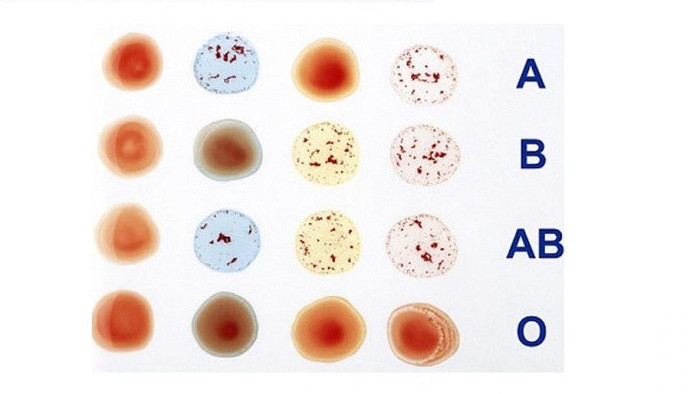
Blood Type and Cancer Risk
Some large population studies have observed that individuals with non-O blood types (A, B, and AB) may have a slightly higher risk of
developing certain cancers, particularly cancers of the digestive system such as stomach and pancreatic cancer.
Researchers believe this may be linked to:
-
Differences in inflammation markers
-
Variations in immune response
-
How blood group antigens interact with cancer cells
However, lifestyle factors such as diet, smoking, alcohol use, and chronic infections play a much larger role in cancer risk than blood type
alone.
Blood Type and Heart Health
Blood type has also been studied in relation to cardiovascular health. Some research suggests that people with type A, B, or AB blood may
have a slightly higher risk of heart disease compared to those with type O.
This may be related to:
-
Higher levels of clotting proteins
-
Increased cholesterol levels in some individuals
-
Differences in blood vessel inflammation
Type O blood has been associated with a lower risk of blood clots, though this does not eliminate the need for heart-healthy habits.
Blood Type and Infections
Blood type may influence how the body interacts with certain pathogens:
-
Some studies suggest that people with type O blood may have a lower risk of severe malaria but a higher risk of certain gastrointestinal infections.
-
Blood type A has been associated in some studies with increased susceptibility to specific viral infections.
-
Blood type may affect how bacteria attach to cells, influencing infection severity.
These differences are subtle and vary widely depending on environmental and individual immune factors.
Blood Type and Digestive Health
Blood group antigens are also present in the lining of the digestive tract. This has led researchers to explore connections between blood type
and digestive conditions.
Some findings suggest:
-
Type A may be more prone to low stomach acid levels
-
Type O may have a higher risk of stomach ulcers
-
Non-O blood types may be more affected by certain gut-related cancers
Again, these are tendencies observed in studies - not guarantees.
Blood Type Diets: Myth or Science?
The idea of eating according to blood type has gained popularity, but scientific evidence supporting blood-type diets is limited. While
some people report feeling better when following these plans, researchers have not found consistent proof that blood-type diets significantly
improve health outcomes.
What matters far more than blood type is:
-
Overall diet quality
-
Balanced nutrition
-
Physical activity
-
Stress management
-
Regular medical checkups
What Blood Type Cannot Predict
It is crucial to understand what blood type does not determine:
-
It does not guarantee disease or protection
-
It does not override genetics or lifestyle
-
It does not replace medical screening or diagnosis
Blood type is just one piece of a very complex health puzzle.
How to Use This Information Wisely
Rather than worrying about blood type risks, experts recommend using this knowledge as motivation for preventive care, especially if you
belong to a group associated with slightly higher risks.
Smart steps include:
-
Regular health screenings
-
Maintaining a balanced diet
-
Avoiding smoking and excessive alcohol
-
Managing stress and sleep
-
Staying physically active
Knowing your blood type can help you be more informed - but your daily habits still matter the most.
The relationship between blood type and health is a fascinating area of ongoing research. While studies suggest that blood type may
influence susceptibility to certain conditions, it is not a deciding factor in overall health or longevity.
Your lifestyle, environment, and medical care play a far greater role. Blood type offers insight - not a prediction.
Understanding your body is always a good step forward. Using that knowledge wisely is what truly makes the difference.
In recent years, interest has grown around the relationship between blood type and long-term health, including the risk of developing
certain cancers. While blood type alone does not determine whether someone will get cancer, doctors and researchers have observed
patterns that suggest some blood groups may carry slightly higher or lower risks for specific diseases.
One blood type, in particular, is often mentioned in medical studies as being associated with a lower overall risk of certain cancers.
Understanding this connection can help people become more informed about their health—without creating unnecessary fear or false
reassurance.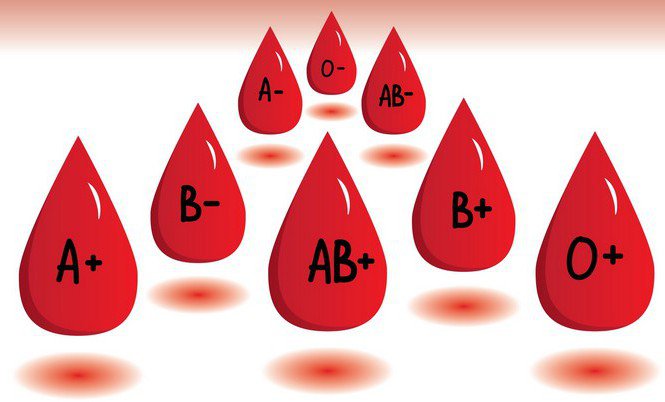
The Blood Type Often Linked to the Lowest Cancer Risk
Based on multiple large-scale studies, blood type O is frequently associated with a lower risk of several cancers, especially cancers of the
digestive system such as stomach and pancreatic cancer.
Researchers emphasize that this does not mean people with type O are immune to cancer. Rather, statistical data suggests that, compared to
non-O blood types (A, B, and AB), people with type O may have a slightly reduced risk for certain cancer types.
What Research Has Found
1. Lower Risk of Digestive Cancers
Several population studies have found that individuals with blood type O tend to have:
-
Lower rates of stomach cancer
-
Reduced risk of pancreatic cancer
Scientists believe this may be related to differences in:
-
Inflammatory markers
-
Immune system responses
-
How blood group antigens interact with stomach lining cells
2. Blood Group Antigens and Cancer Biology
Blood types are defined by antigens on the surface of red blood cells. These antigens also appear on cells lining organs such as the stomach,
lungs, and intestines.
In non-O blood types, certain antigens may:
-
Promote chronic inflammation
-
Influence how cancer cells grow or spread
-
Affect how bacteria such as Helicobacter pylori interact with the stomach lining
Blood type O lacks certain antigens, which may offer a small protective advantage in some cases.
3. Inflammation and Blood Clotting Factors
People with non-O blood types often have higher levels of clotting proteins such as von Willebrand factor, which has been linked to
inflammation and cancer progression in some studies.
Lower levels of these proteins in blood type O individuals may help reduce:
-
Chronic inflammation
-
Conditions that allow cancer cells to thrive

Why Blood Type Is Only One Small Factor
Doctors strongly caution against overinterpreting these findings. Blood type is not a cause of cancer, and it does not override more
important risk factors such as:
-
Smoking
-
Alcohol consumption
-
Poor diet
-
Obesity
-
Chronic infections
-
Family history
-
Environmental exposures
A person with blood type O who smokes or avoids medical screenings may still face a much higher cancer risk than a health-conscious person
with another blood type.
What Doctors Want People to Understand
Medical professionals stress three key points:
1. Lower risk does not mean no risk
Everyone, regardless of blood type, should follow recommended cancer screening guidelines.
2. Lifestyle choices matter far more
Diet, physical activity, sleep, and stress management have a much stronger influence on cancer risk than blood type.
3. Knowledge should empower, not alarm
Understanding potential risk patterns can encourage preventive care, not fear.
Practical Steps for Cancer Prevention - For Every Blood Type
Doctors recommend the same evidence-based strategies for everyone:
-
Eat a diet rich in vegetables, fruits, whole grains, and lean proteins
-
Limit processed foods, red meat, and added sugars
-
Avoid smoking and limit alcohol
-
Maintain a healthy body weight
-
Exercise regularly
-
Get routine health checkups and screenings
Blood type may influence risk slightly - but daily habits shape health outcomes far more.
While research suggests that blood type O is associated with the lowest overall risk of certain cancers, this does not guarantee
protection. Cancer is a complex disease influenced by genetics, environment, lifestyle, and medical care.
Doctors agree that blood type is an interesting piece of the puzzle - but not the deciding one. Staying informed, proactive, and health-
conscious remains the most powerful way to reduce cancer risk, no matter your blood type.
In health, awareness is useful - but action is what truly makes the difference.