Imagine waking up and not being able to speak. Imagine trying to stand, but your body no longer listens.
For millions of people around the world, this is not a nightmare—it’s reality.
Stroke strikes fast, without warning. It robs people of their ability to move, talk, remember, and live life as they once did. And for many, it comes quietly, after years of seemingly harmless habits: a late dinner here, a missed walk there, just one more drink before bed.
But here’s the truth science now confirms — up to 80% of strokes are preventable. Not through expensive treatments or miracle pills, but by making small, powerful changes in our daily routines. Especially during two critical windows: right after meals and just before bedtime.
What you do—or don’t do—during these hours can help shape your brain’s future. From blood pressure surges to inflammatory spikes, poor sleep to sugar crashes, our body reacts to these habits in ways we often underestimate. But science doesn’t.
Groundbreaking studies are now showing that things like going to bed late, eating too close to sleep, or skipping a walk after dinner can all increase your risk of stroke — often dramatically.
This article dives deep into 3 key don’ts after meals and 4 critical don’ts before bed, all backed by research. These should be your blueprint to safeguard your brain, your body, and your future — no matter your age.
After Meals: Three Things Not to Do
Don’t sleep or nap immediately after a meal
Many people feel drowsy after eating and may be tempted to lie down or nap. But this habit disrupts digestion and can impair metabolic regulation. Poor meal–sleep timing is linked to insulin resistance, overweight, and high blood pressure over time—major stroke risk factors. Studies show meal timing influences sleep quality and cardiometabolic outcomes. Keeping at least 2–3 hours between your last meal and any nap or bedtime helps maintain optimal digestion and sleep health.
Don’t stay sedentary after meals
Avoid immediately reclining or collapsing onto the couch. Instead, take a post‑prandial walk of ~20 minutes. Observational data show that light activity helps regulate blood sugar and blood pressure, reducing risks of type 2 diabetes and hypertension—key precursors to stroke. In one study, walking speed increases were associated with a 13 % reduction in stroke risk. Even modest walking after meals supports healthier post‑meal glucose response and improves vascular health.
Don’t immediately consume alcohol after eating
Many people enjoy a drink right after dinner to unwind. However, recent evidence shows any significant alcohol intake, even moderate, raises inflammation and damages vascular cells. One large international study linked moderate and heavy drinking to higher stroke risk, even with infrequent binges. Rather than a nightcap, choose herbal tea or water after meals to support better metabolism and vascular recovery.
Before Bed: Four Things Not to Do
Don’t eat dinner too late (e.g., after 9 p.m.)
Eating your last meal too close to bedtime, especially after about 9 p.m., disrupts your circadian rhythm and impairs metabolic balance. The NutriNet‑Santé cohort of over 103,000 adults in France found that dinners after 9 p.m. were associated with a 28 % higher risk of cerebrovascular disease (including stroke) compared with meals before 8 p.m. Moreover, delaying breakfast or dinner by each hour increased overall cardiovascular risk—even when accounting for diet quality and activity.
Don’t go to bed too late or change your bedtime irregularly

Consistency matters for sleep. Irregular sleep schedules—varying bedtime or wake time—raise stroke and heart attack risk, independent of total sleep hours, in studies tracking more than 72,000 adults aged 40–79. Also, both too little (<5 hours) and too much (>9 hours) sleep are associated with significantly higher stroke risk—short sleep by ~33 %, and long sleep by ~71 %. Aim for 7–9 hours per night and go to bed at a similar time daily.
Don’t consume alcohol close to bedtime
Alcohol before bed may initially help you fall asleep, but it significantly degrades sleep quality and raises stroke risk. Even moderate evening drinking is linked with inflammation, poor sleep architecture, and vascular damage. Instead, avoid alcohol in the evening and replace it with calming non‑alcoholic beverages.
Don’t consume caffeine or heavy meals late in the evening
Caffeine late in the day impairs sleep onset and quality. Heavy or spicy meals too close to bedtime can cause reflux and sleep disruption. The American Stroke Association and sleep experts recommend planning dinner at least 3 hours before bedtime, limiting caffeine after mid‑afternoon, and finishing liquids a couple hours before sleep. This helps preserve sleep quality and cardiovascular stability overnight.
Why These Habits Matter: The Science Behind the Advice
1. Circadian rhythm, metabolism, and meal timing
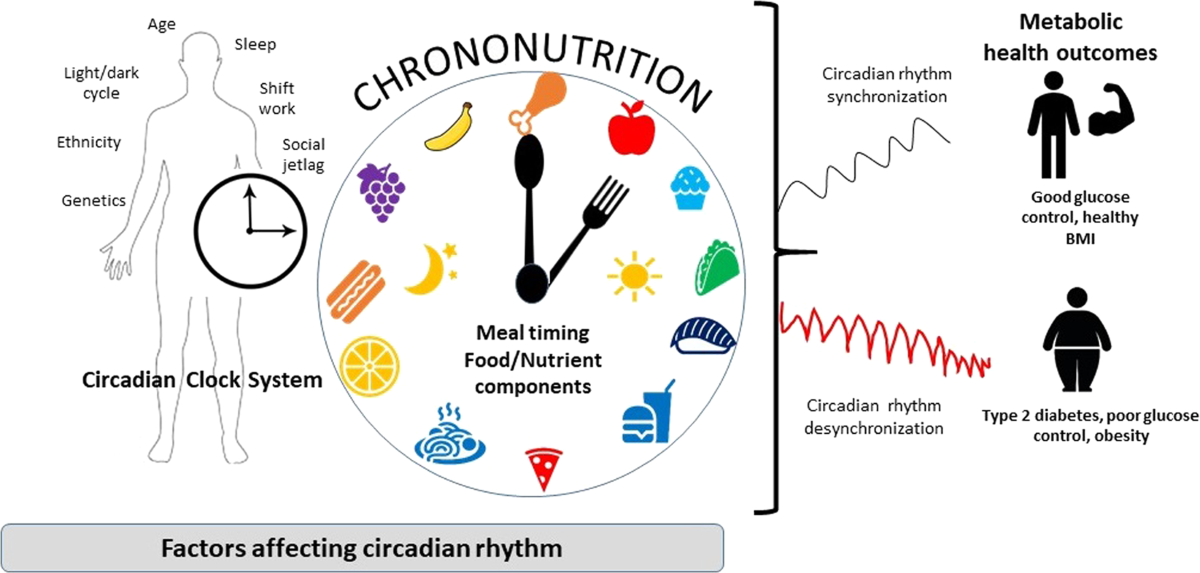
Our metabolism, blood pressure, and glucose regulation follow a natural rhythm tied to daylight and sleep cycles. Eating late in the evening disrupts these internal clocks, leading to poor insulin sensitivity and higher inflammation—both increasingly linked to stroke and cardiovascular disease risk.
2. Sleep quality and consistency as stroke risk factors
Poor sleep habits—not just quantity—are increasingly recognized as stroke risk factors. Symptoms like snoring, fragmented sleep, inconsistent sleep timing, or extremes of sleep duration multiply stroke risk by multiple times. Sleep disorders such as obstructive sleep apnea raise risk even further, tripling stroke risk for men compared with good sleep airways.
3. Combined effect of lifestyle choices
Addressing these meal–sleep behaviors complements traditional modifiable stroke risk strategies: controlling blood pressure, reducing sodium, eating a Mediterranean or DASH-style nutrient-rich diet, quitting smoking, maintaining healthy weight, and exercising regularly. Studies confirm that lifestyle interventions—especially when implemented consistently—are the single most effective strategy for secondary stroke prevention.
Putting It All Together: A Daily Routine to Lower Stroke Risk
Here’s how to apply the “3 after‑meal don’ts” and “4 before‑bed don’ts” into practical daily habits:
Morning/Afternoon Routine
- Wake up and eat breakfast early (ideally before 9 a.m.) to align with metabolism peaks. Skipping breakfast or delaying it is linked with poorer cardiovascular biomarkers.
- Eat moderate portions, rich in whole grains, fruits, vegetables, legumes, lean proteins, and healthy fats.
- Limit sodium to ≤1,500–2,300 mg/day and avoid ultra‑processed foods with hidden salt or saturated fat.
- Exercise regularly: at least 150 minutes/week of moderate aerobic activity plus strength training twice weekly.
After Meals
- After each meal, wait at least 2–3 hours before napping or sleeping.
- Instead of reclining, go for a 20‑minute walk to help digestion and blood sugar balance.
- Skip alcohol immediately after meals—opt for water, herbal tea, or similar non‑alcoholic drinks.
Evening / Pre‑Bedtime
- Finish dinner by ~8 or 9 p.m., keeping the last meal at least 3 hours before bedtime.
- Avoid heavy, spicy, or high‑fat meals late in the evening.
- Stop caffeine consumption by mid‑afternoon to preserve sleep onset.
- Avoid evening alcohol, which disrupts sleep and elevates stroke risk.
- Go to bed at a consistent time, aiming for 7‑9 hours per night.
- Limit fluids 1–2 hours before bed to reduce middle‑of‑night awakenings.
The habits you build around meal timing and pre‑bed routines may seem small—but they leverage circadian biology, metabolic control, and sleep hygiene, all key pillars in reducing your risk of stroke. These simple, daily choices—combined with whole‑food eating, blood pressure control, regular activity, and avoiding tobacco—can add up to powerful stroke prevention.
Final Tips
- Implement one habit at a time (e.g., walk after dinner), then add others gradually.
- Keep a consistent sleep schedule—even weekends matter!
- When socializing in the evening, skip alcohol or save it for earlier in the evening.
- Track your eating times and sleep times in a journal or app to reinforce good rhythm.
By following these 3 post‑meal don’ts and 4 pre‑bed don’ts, aligned with abundant scientific evidence, you’re supporting healthy rhythms in metabolism, sleep, blood pressure, and vascular health—reducing stroke risk across the lifespan.
Stay safe, informed, and empowered: better habits today can mean a stroke‑free tomorrow.