How to Get Rid of Phlegm and Mucus in Your Chest and Throat
Phlegm and mucus are part of the body’s natural defense system. They trap dust, bacteria, and irritants to protect the airways. However, when mucus becomes too thick or excessive, it can cause chest congestion, throat discomfort, frequent coughing, and difficulty breathing.
Understanding why mucus builds up and how to clear it safely can help you breathe easier and recover faster.
Why Phlegm and Mucus Build Up
Excess mucus production is often triggered by:
-
Colds or flu
-
Allergies
-
Sinus infections
-
Smoking or air pollution
-
Acid reflux
-
Chronic bronchitis or asthma
In some cases, persistent mucus may signal an underlying condition that requires medical attention.

1. Stay Well Hydrated
One of the simplest and most effective ways to reduce mucus is drinking enough fluids.
Water helps:
-
Thin thick mucus
-
Make it easier to cough up
-
Keep airways moist
Warm fluids such as herbal tea, warm water with lemon, or clear soups can be especially helpful for loosening chest congestion.
2. Use Steam to Loosen Mucus
Steam inhalation helps open airways and soften mucus trapped in the chest and throat.
You can:
-
Take a warm shower and breathe in the steam
-
Inhale steam from a bowl of hot water (be careful to avoid burns)
Steam is particularly useful for mucus caused by sinus congestion or respiratory infections.
3. Practice Controlled Coughing
Coughing is the body’s natural way of clearing mucus, but forceful or constant coughing can irritate the throat.
Instead, try controlled coughing:
-
Sit upright
-
Take a slow, deep breath
-
Cough firmly but gently
This technique helps move mucus out without straining the chest or throat.
4. Keep the Air Humid
Dry air thickens mucus and makes it harder to clear. Using a humidifier, especially at night, can:
-
Moisturize airways
-
Reduce throat irritation
-
Make breathing easier
Make sure humidifiers are cleaned regularly to prevent mold or bacteria buildup.
5. Avoid Mucus-Triggering Foods
Certain foods can make mucus thicker for some people. These may include:
-
Dairy products (for some individuals)
-
Fried or greasy foods
-
Excess sugar
Pay attention to how your body reacts and adjust your diet accordingly.
6. Elevate Your Head While Sleeping
Lying flat allows mucus to pool in the throat and chest. Sleeping with your head slightly elevated helps mucus drain naturally and reduces coughing at night.
Using an extra pillow or adjustable bed can make a noticeable difference.
7. Try Gentle Throat Clearing Instead of Constant Coughing
Repeated coughing can inflame the throat, making mucus feel worse. Gentle throat clearing or sipping warm water may relieve the urge to cough constantly.
Avoid whispering or clearing the throat aggressively, as this can strain vocal cords.
8. Quit Smoking and Avoid Irritants
Smoking is one of the biggest causes of chronic mucus production. It damages airway lining and increases inflammation.
Avoid exposure to:
-
Cigarette smoke
-
Strong perfumes
-
Dust and chemical fumes
Reducing irritants allows the respiratory system to heal.
9. Over-the-Counter Options (When Appropriate)
Some medications can help thin mucus or reduce congestion, such as:
-
Expectorants
-
Saline nasal sprays
Always follow instructions and consult a healthcare professional if symptoms persist.
When Mucus Is a Warning Sign
You should seek medical advice if mucus:
-
Lasts longer than 3–4 weeks
-
Is thick, green, yellow, or bloody
-
Is accompanied by chest pain, fever, or shortness of breath
-
Keeps returning frequently
Persistent mucus may indicate infections, reflux disease, chronic lung conditions, or other health issues.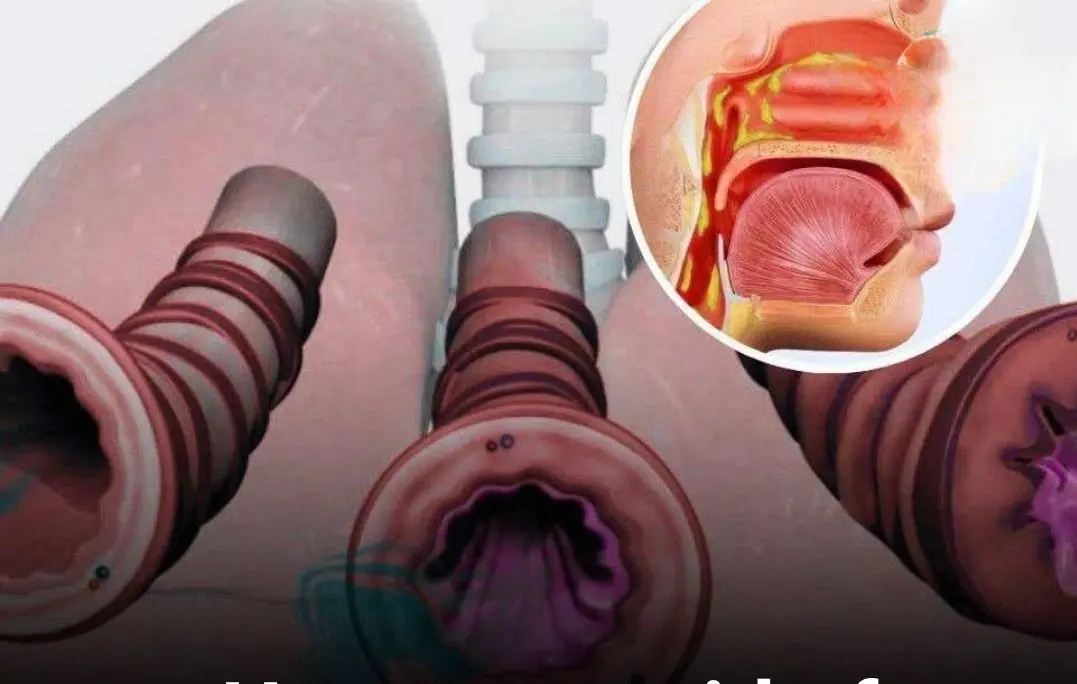
Important Reminder
Clearing mucus is about supporting your body, not suppressing its natural defenses. Gentle, consistent care works better than harsh remedies.
Avoid unproven treatments or excessive coughing, which may worsen irritation.