Osteoporosis is a condition characterized by weakened bones and an increased risk of fractures. It develops gradually over time and is often called a “silent disease” because it may not show symptoms until a fracture occurs. While factors such as age, genetics, and hormonal changes play a major role, diet and lifestyle choices are equally important in maintaining bone health.
Many people focus on calcium intake and exercise but overlook certain everyday beverages that may negatively affect bone density when consumed excessively. Understanding these hidden factors can help you make better choices to protect your bones.
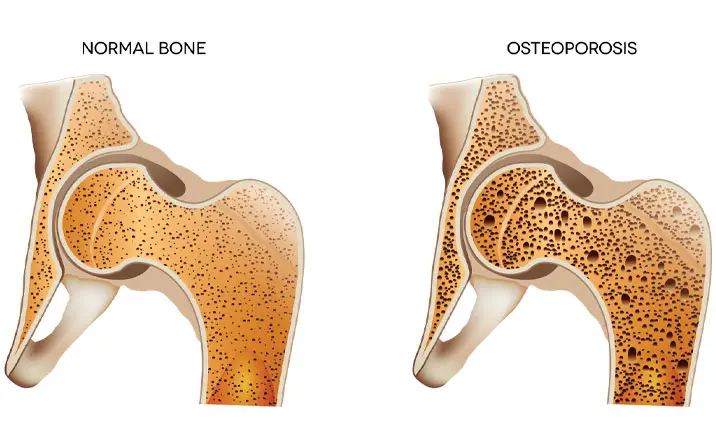
Understanding Bone Health
Bones are living tissues that constantly undergo a process of breakdown and rebuilding. For strong bones, the body needs:
- Calcium
- Vitamin D
- Magnesium
- Phosphorus
When this balance is disrupted—either by poor nutrition or lifestyle habits—bones can become fragile over time.
Certain beverages can interfere with calcium absorption, increase calcium loss, or affect bone metabolism, especially when consumed in large amounts.
1. Sugary Soft Drinks
Soft drinks, especially those high in sugar and phosphoric acid, are often linked to reduced bone density.
Why They May Be Harmful
- High phosphorus content can disrupt the balance between calcium and phosphorus in the body
- Excess sugar may reduce calcium absorption
- People who drink soft drinks frequently may consume less milk or calcium-rich beverages
Potential Impact
Regular consumption of sugary sodas has been associated with lower bone mineral density, particularly in adolescents and women.
2. Caffeinated Beverages
Drinks such as coffee, tea, and energy drinks are widely consumed and can offer benefits when taken in moderation. However, excessive caffeine intake may affect bone health.
How Caffeine Affects Bones
- Increases calcium excretion through urine
- May slightly reduce calcium absorption
- Can interfere with sleep, which indirectly affects overall health
What to Keep in Mind
Moderate caffeine intake is generally safe, but consuming large amounts daily—especially without adequate calcium intake—may contribute to bone loss over time.
3. Alcoholic Beverages
Alcohol consumption, particularly in high amounts, is another factor that can negatively impact bone health.
Effects on the Body
- Interferes with calcium balance
- Affects vitamin D metabolism
- Reduces the activity of bone-forming cells
Long-Term Risks
Chronic alcohol use is associated with decreased bone density and an increased risk of fractures.
Why These Drinks Are Often Overlooked
These beverages are part of everyday life and are often consumed without much thought. Because they do not cause immediate symptoms, their long-term effects on bone health can go unnoticed.
Additionally, many people associate bone health only with calcium intake, overlooking how other dietary factors may influence the body’s ability to use that calcium effectively.
How to Protect Your Bone Health
Maintaining strong bones involves a balanced approach:
1. Ensure Adequate Calcium Intake
Include calcium-rich foods such as dairy products, leafy greens, and fortified foods.
2. Get Enough Vitamin D
Sun exposure and certain foods help the body absorb calcium effectively.
3. Limit Harmful Beverages
Reduce intake of sugary sodas, excessive caffeine, and alcohol.
4. Stay Physically Active
Weight-bearing exercises strengthen bones and improve overall health.
5. Maintain a Balanced Diet
A variety of nutrients is essential for bone strength.
Moderation Is Key
It is important to note that these beverages are not inherently harmful when consumed in moderation. The risk arises from excessive and long-term consumption, especially when combined with poor dietary habits.
For example:
- A cup of coffee a day is generally safe
- Occasional soft drink consumption is unlikely to cause harm
- Moderate alcohol intake may not significantly impact bone health
The focus should be on balance rather than complete avoidance.

Conclusion
Osteoporosis is influenced by more than just age and genetics. Everyday choices, including the beverages you consume, can play a significant role in bone health over time.
Sugary soft drinks, excessive caffeine, and alcohol are three popular drinks that may contribute to bone loss when consumed in excess. By being aware of these hidden factors and making mindful choices, you can take proactive steps to protect your bones and maintain long-term health.
Sometimes, preventing a serious condition begins with small, everyday decisions—like what you choose to drink.