I didn't hate my daughter-in-law, i just didn't know how to let go of my son
I didn't hate my daughter-in-law, i just didn't know how to let go of my son
Story 08/02/2026 10:12
I thought providing for my family was enough until i saw the distance in their eyes
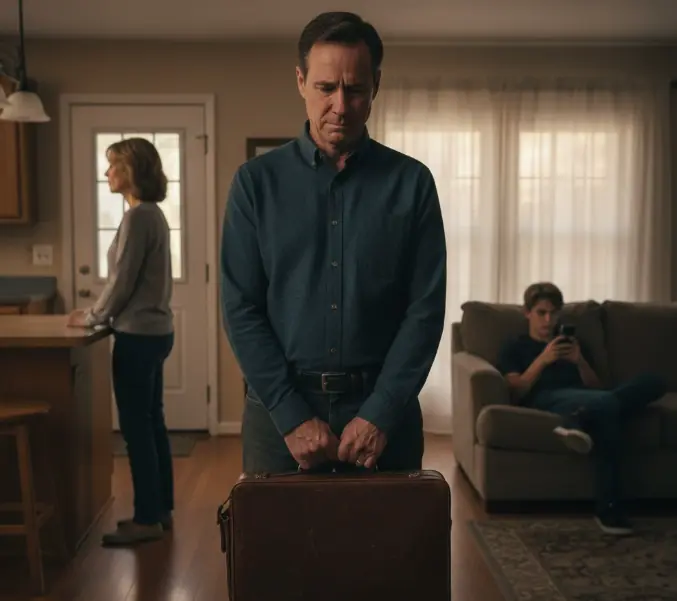
The leather briefcase in my hand felt unusually heavy as I walked up the driveway of our home in the suburbs of Chicago. For twenty-five years, that briefcase had been my shield and my badge of honor. Inside were the blueprints, the contracts, and the spreadsheets that had built this life—the four-bedroom house, the manicured lawn, the Ivy League tuition funds for the children, and the two gleaming cars tucked neatly in the garage. I had always viewed my life through the singular, focused lens of a provider. In my mind, love was a tangible, quantifiable thing, measured in mortgage payments made on time, premium health insurance, and the absolute absence of financial worry. I thought that by securing their future, I was securing their hearts.
But as I stepped through the front door that Tuesday evening, the silence of the house didn't feel like the peace I had worked so hard to buy; it felt like a hollowed-out canyon, echoing with the sound of things left unsaid.
My wife, Martha, was in the kitchen, her back to me as she moved with a quiet, efficient grace. She didn't turn around when the door clicked shut or when I set my keys on the mahogany table. She didn't need to. She knew the rhythm of my arrival by heart—the heavy tread of my shoes, the weary sigh of a man who believed he had "given his all" at the office, and the immediate retreat to the study.
"Dinner is in the oven, David," she said, her voice kind but thin, like a piece of paper that had been folded and refolded too many times. "The boys are in their rooms doing their own things."
I walked into the den and saw my youngest son, Leo, who was now seventeen. He was sitting on the sofa, bathed in the blue light of his smartphone. A decade ago, he would have sprinted to the door the moment I turned the lock, tackling my legs and shouting about a Lego tower or a scraped knee. Now, he didn't even look up. He didn't even acknowledge that the air in the room had changed with my presence.
"Hey, Leo," I said, leaning against the doorframe, trying to find a footing in a territory that felt increasingly foreign. "How was the soccer tryout? I know you were looking forward to it."
He paused for a fraction of a second, his thumb hovering over the screen. "That was three weeks ago, Dad," he said quietly, his voice devoid of any edge. "I didn't make the varsity team. I told you at dinner last Monday."
The air left my lungs as if I’d been struck by a physical blow. I searched my memory, frantically looking for the file of that conversation, but all I found were blurred recollections of me checking my emails under the table and nodding while mentally drafting a memo for the board of directors. I had been physically present at that dinner, my body occupied a chair, but I had been emotionally a thousand miles away, trading my son’s disappointment for a quarterly projection.
In that moment, I finally saw it—the distance in his eyes. It wasn't anger, which I might have known how to navigate. Anger would have been easier to handle because anger implies a desire for engagement, a spark of connection. What I saw in Leo’s eyes was far more devastating: it was a settled, calm indifference. He had stopped expecting me to hear him long ago. He had learned to navigate the milestones of his life without the anchor of my attention, and he had done such a good job of it that he no longer truly needed me to be there at all.
I went to my home office and sat in the dark, the glow of the streetlamp outside casting long, skeletal shadows across my desk. I thought back to the "golden years" of my career. I remembered the late nights I spent at the firm, telling myself that the missed bedtime stories and the skipped school plays were a necessary sacrifice for their well-being. I thought I was building a fortress to protect them, but I realized now that I was actually building a wall that kept me out of their inner lives.
I remembered Martha’s face during those years. She used to ask me to stay for just one more hour on a Saturday morning instead of heading into the office. She used to try to tell me about the small, beautiful details of the children’s days—the funny things they said, the fears they had about the dark, the way the light hit the garden in the afternoon. I had always brushed those stories aside, categorizing them as "domestic noise" that I didn't have the mental bandwidth for. I was too busy being the "big picture" man. I was so focused on the horizon that I never noticed the flowers at my feet were wilting from lack of water.
The regret was a cold, rising tide. I had provided the house, but I had failed to provide the home. I had given them every comfort money could buy, but I had withheld the only currency that truly matters in a family: time, curiosity, and presence. I had been an ATM with a pulse, a ghost haunting the hallways of a life I had funded but never actually inhabited.
I walked back into the kitchen where Martha was setting the table. I watched her for a moment, seeing the gray in her hair that I hadn't noticed before, the fine lines around her eyes that spoke of a thousand quiet burdens she had carried alone while I was "conquering the world."
"Martha," I said, my voice cracking in the quiet room.
She stopped, a plate in her hand, and looked at me. For the first time in years, I really looked back. I saw the woman who had been my partner in name, but a single parent in practice.
"I'm so sorry," I whispered.
She didn't ask what for. She didn't launch into a list of grievances or remind me of all the times I wasn't there. She just stood there, the plate trembling slightly in her hand. "You've worked very hard for us, David. We have always known that. We're grateful."
"It wasn't enough," I said, stepping toward her into the light of the kitchen. "I thought the paycheck was the love. I thought the security was the connection. But I've been absent even when I was standing right in front of you. I missed the soccer tryouts. I missed the stories. I missed the chance to really know our sons."
The silence that followed was heavy with the weight of twenty years. Martha set the plate down and leaned against the counter, her eyes searching mine. "The boys don't hate you, David. They just don't know you. And they don't think you want to know them beyond their grades or their achievements."
That was the hardest truth of all. By prioritizing my work, I had sent a loud, consistent message to my family: You are secondary. You are the reason I work, but you are not the reason I live.
I spent the rest of that evening not in my office, but in the living room. I didn't check my phone. I didn't bring up the briefcase. I sat on the floor near the coffee table and looked at some old photo albums Martha had left out. I saw pictures of myself at birthdays and holidays, always standing slightly apart, often with a phone to my ear or a distracted look in my eyes. I looked like a guest who had wandered into someone else’s party.
Reconnecting isn't a single event; it's a grueling, humble process of showing up when you aren't expected and staying even when it's uncomfortable. It’s about learning to listen to the things that don't have a profit margin.
The next day, I did something I hadn't done in years: I came home at 5:00 PM. I walked into the backyard where Leo was shooting hoops by himself. Usually, I would have waved from the window and headed straight to my desk to finish "just one more thing." Instead, I took off my suit jacket, loosened my tie, and walked out onto the pavement.
"Need a rebounder?" I asked.
Leo stopped, the ball tucked under his arm. He looked at me with that same guarded, distant expression, his eyes skeptical. "Don't you have a conference call with the London office?"
"I canceled it," I said, and for the first time, I meant it. "I’d rather be here with you."
He didn't jump for joy or offer a hug. He just bounced the ball once, hard, and tossed it to me. We played for forty minutes in the fading light. We didn't talk about anything deep or have a grand "father-son" moment. But for the first time in my adult life, I wasn't thinking about a deadline. I was thinking about the way the ball felt in my hands and the sound of my son’s sneakers on the driveway.
I am learning that I cannot buy back the time I lost. I cannot erase the distance in their eyes with a single apology or a week of being home for dinner. The emotional absence of a lifetime has created a deep trench, and I am the only one who can fill it, one small, consistent bucket of sand at a time.
I still have my briefcase, and I still have my job. But the hierarchy of my life has been dismantled and rebuilt. I am learning to be the man who listens to the "domestic noise." I am learning to be the man who knows when the soccer tryouts are, not because it’s on a calendar, but because it matters to the person I love.
Tonight, as I sit at the dinner table, I am not checking my messages. I am looking at Martha, and I am listening to Leo talk about a book he’s reading. The distance is still there, but it feels a little smaller tonight. I used to think providing was enough. Now I know that the greatest thing I can provide is the man I was always meant to be—not a ghost in the hallway, but a father who is finally, truly home.
I didn't hate my daughter-in-law, i just didn't know how to let go of my son
We stayed together after the affair but nothing ever felt the same
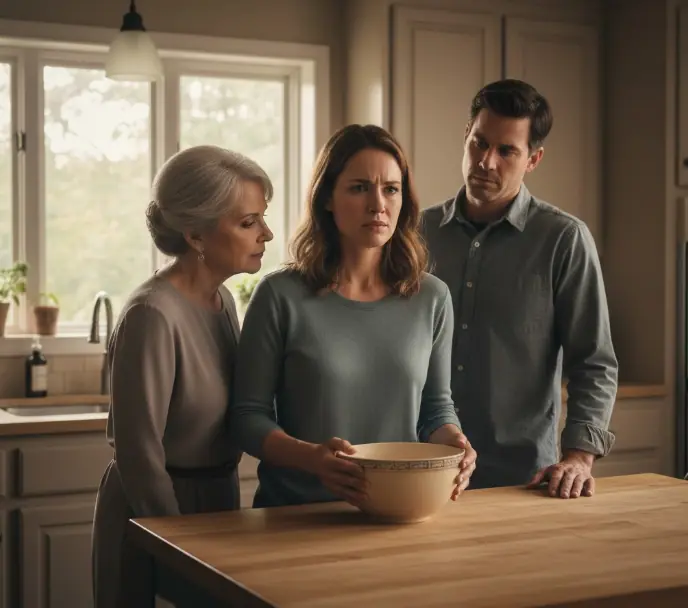
I thought marrying him meant building a life together, not living under his mother’s shadow
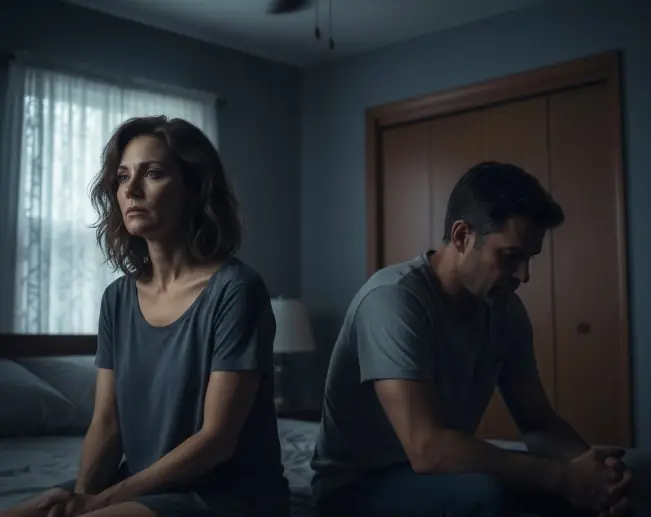
After twenty years of marriage i realized we had become strangers
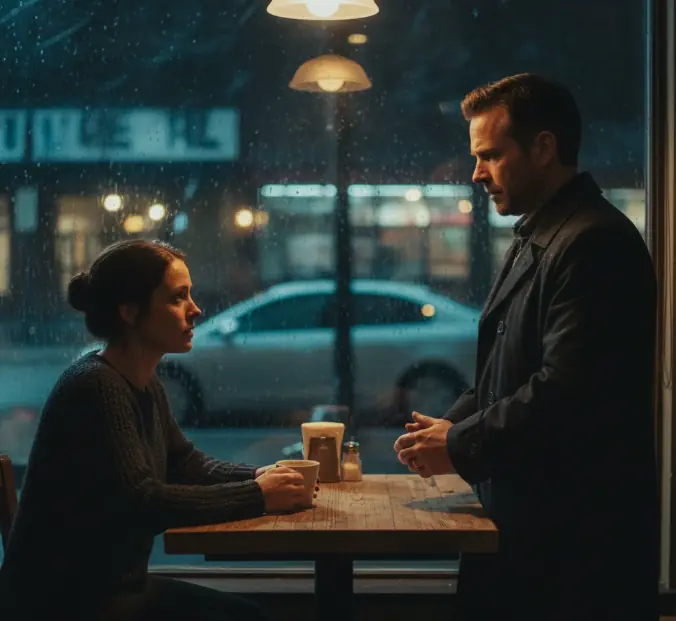
I fell in love with someone who was already married and i chose to walk away
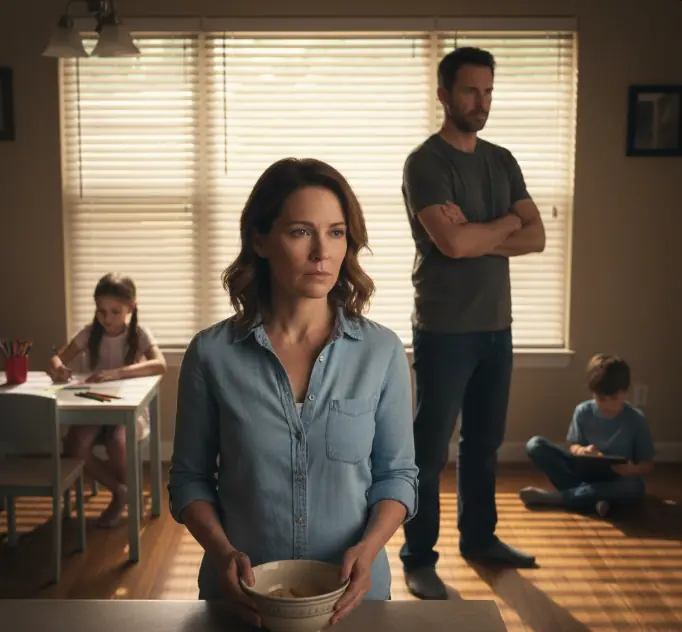
I stayed in my marriage for the children and lost myself along the way

I never planned to hurt my family but one choice changed everything
I found out about my husband’s affair long before he knew i knew

“You’re giving your apartment to my wife!” the sister’s husband declared. “It’s only fair.”
A Husband Threatened That His Mother Would Come and “Set His Wife Straight.” But Her Reply Made Them Both Regret It

Filing for divorce, her ex-husband thought he’d leave his wife without money or a home – but he was in for a surprise

I’m the one choosing the land plot—I’m the man! And you’re paying for it,” her husband blurted resentfully

“Yes, I Put the Home in My Name. No, It’s Not a Dorm for My Husband’s Relatives Now!”

I’ll be spending New Year’s with my mistress. I’m already ashamed to show you off to my buddies!” her husband declared

And what makes you think I’m the one leaving with the kids? You filed for divorce, so you raise them yourself!” the wife said

“You’re sleeping in the kitchen tonight,” the wife told her husband after his mother’s visit

Just imagine her face when she sees—there’s no money!” my husband laughed, transferring all of his wife’s money to his mother

“Leaving, are you? And who’s going to pay off my parents’ loan?” the husband asked his wife
I didn't hate my daughter-in-law, i just didn't know how to let go of my son
We stayed together after the affair but nothing ever felt the same
I thought marrying him meant building a life together, not living under his mother’s shadow
After twenty years of marriage i realized we had become strangers
I fell in love with someone who was already married and i chose to walk away
I stayed in my marriage for the children and lost myself along the way
I never planned to hurt my family but one choice changed everything
I found out about my husband’s affair long before he knew i knew

Crispy fried mushrooms: the irresistible snack everyone is craving
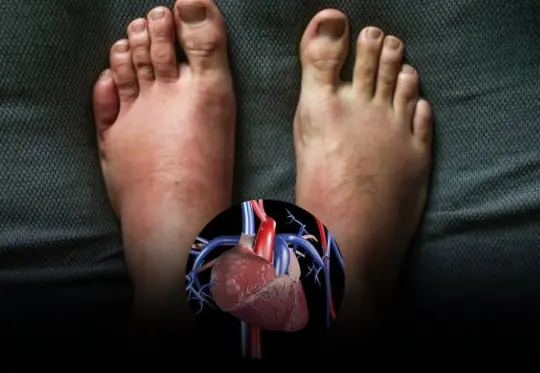
Heart attacks rarely happen without warning. In many cases, the body begins sending subtle but persistent signals weeks before a major cardiac event.

Even young individuals can experience strokes, as highlighted by the case of a 19-year-old suffering a stroke after a headache.
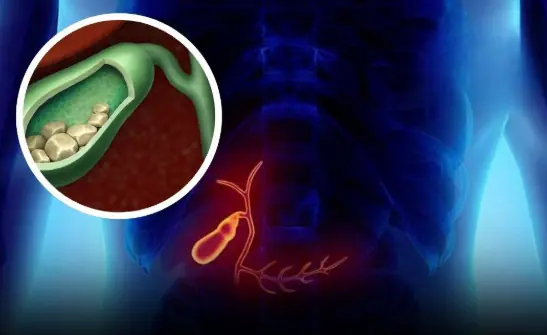
Abdominal pain, loss of appetite, vomiting, weight loss... can be warning signs of gallbladder cancer.

Chicken eggs contain various types of protein that can trigger allergies, especially in the egg white.

In addition to its vital deto.xification role, the liver also functions in metabolism, synthesis, and secretion of essential compounds in the body.

The Importance of Beans in Controlling Diabetes.


Kidney failure is a serious condition that can lead to lifelong dialysis or other severe health complications if left untreated.

One Key Tip for Choosing Cabbage: Guaranteed Crunchy and Sweet Flavor
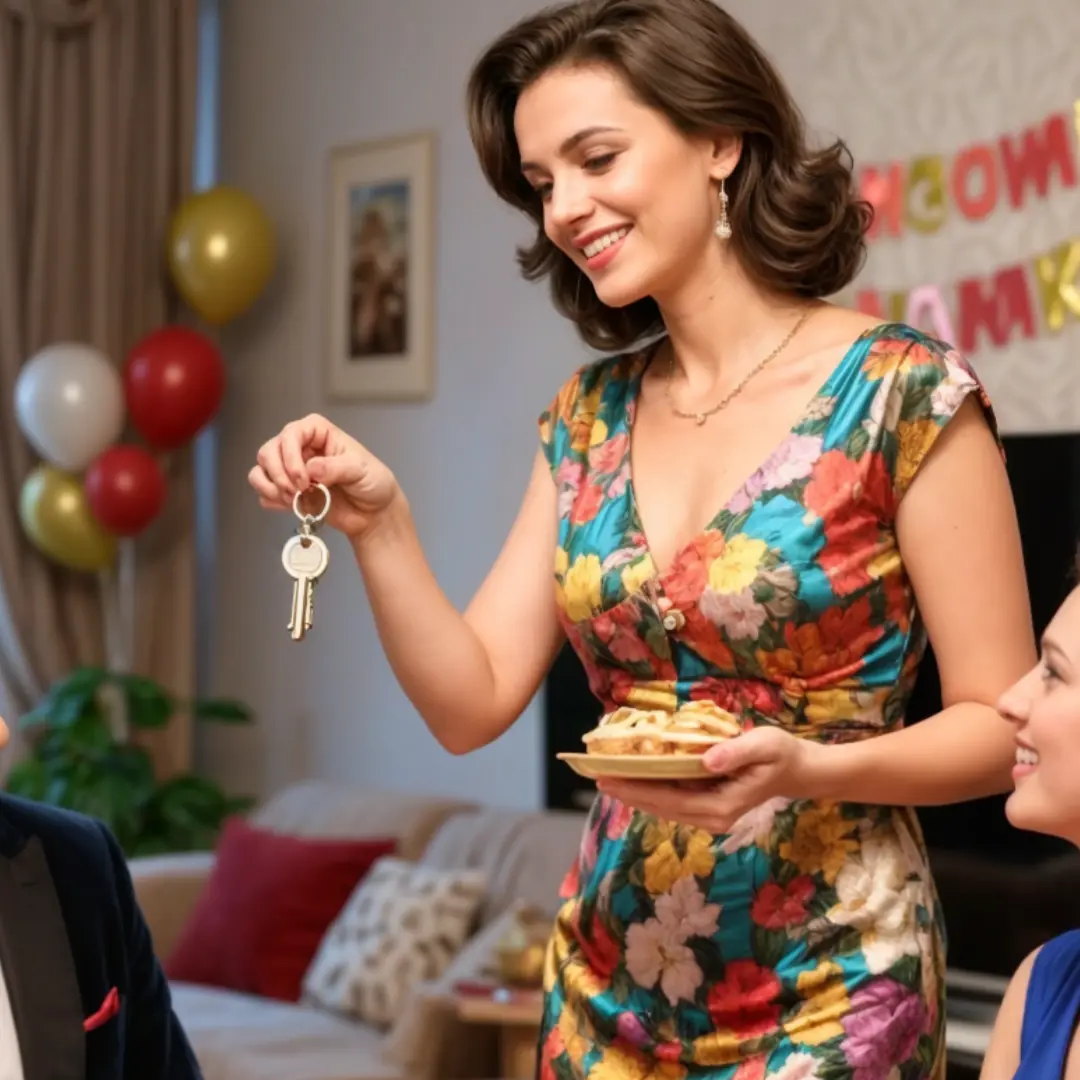
— Here are the keys to your apartment; I’m keeping the car — the wife left the family on her own birthday