I didn't hate my daughter-in-law, i just didn't know how to let go of my son
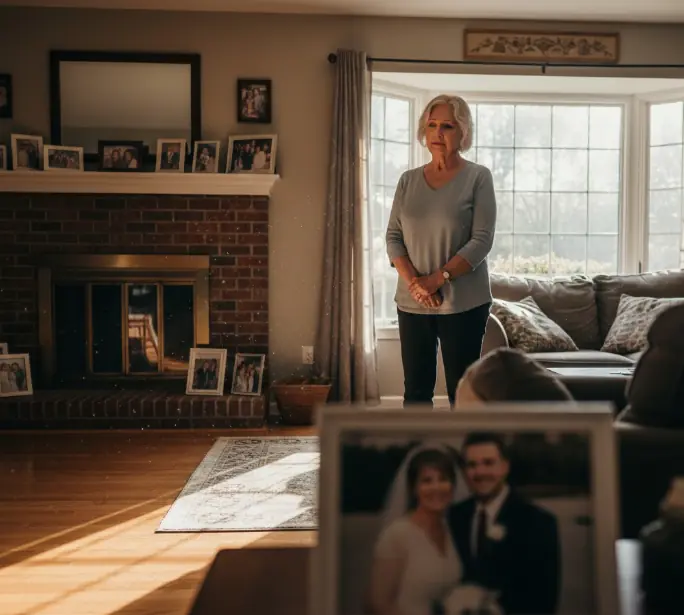
The afternoon sun was casting long, golden shadows across my living room in Virginia, illuminating the dust motes dancing over the family photos on the mantle. In the center of the display was the wedding photo of my son, Julian, and his wife, Claire. They were beaming, caught in a moment of pure, unadulterated hope. Every time I looked at that picture, I felt a strange, dual tug in my chest: a genuine wish for their happiness and a cold, sharp pang of being sidelined.
I want to be clear—I never hated Claire. She is a kind woman, a talented architect, and she loves my son with a quiet intensity that I have come to respect. But when she entered our lives five years ago, she didn't just join the family; she recalibrated it. And for a woman like me, who had built her entire identity around being the primary sun in Julian’s solar system, the shift was agonizing.
Julian was my only child. After my husband passed away when Julian was just ten, it was the two of us against the world. I was his confidante, his advisor, and his biggest cheerleader. I knew his favorite comfort foods, the exact way he liked his shirts starched, and the specific silence he fell into when he was stressed about work. For two decades, I held the keys to his world. I thought I was being a devoted mother, but looking back, I see that I was building a dependency that served my needs as much as his.
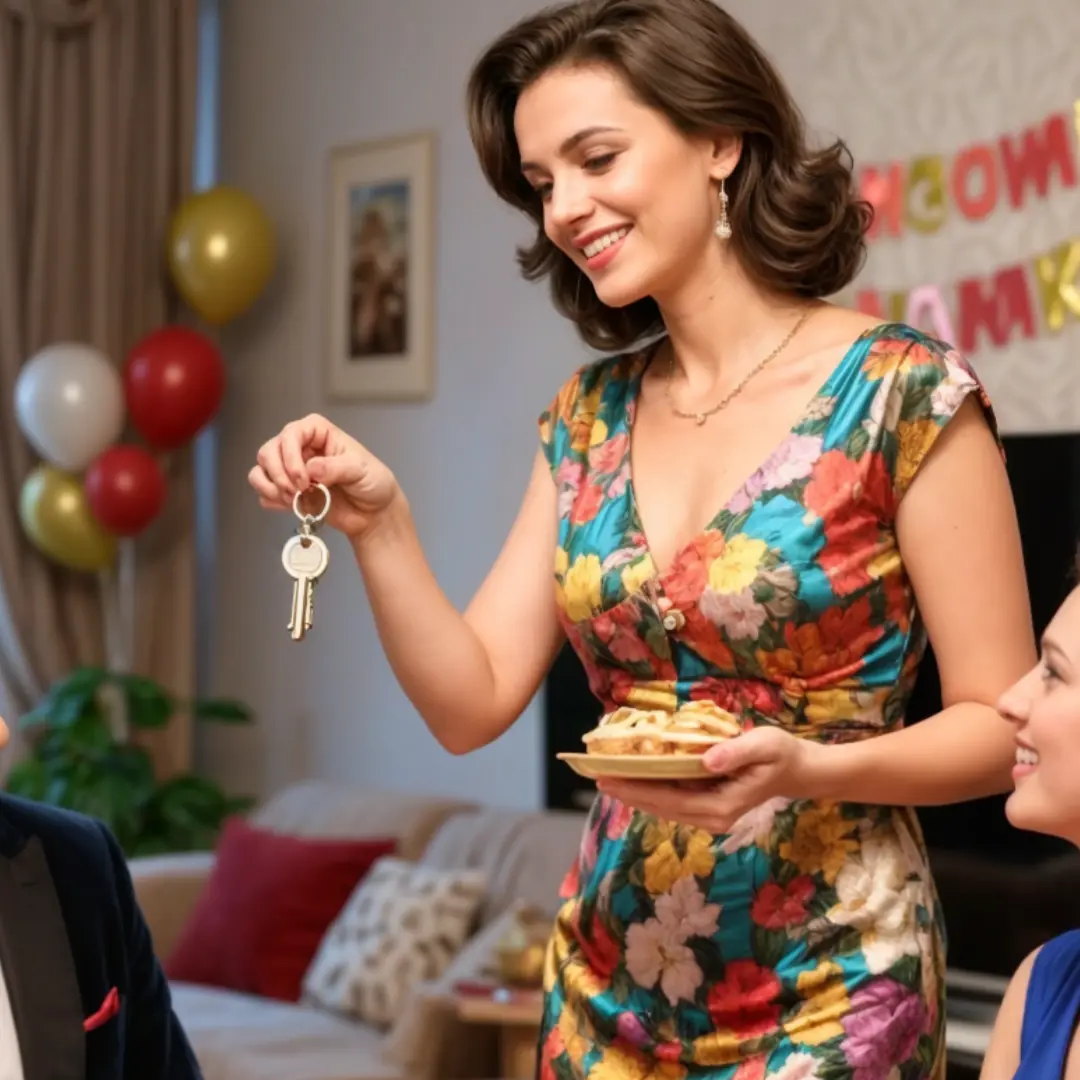
When Julian married Claire, I told myself I was "helping" them settle into their new life. I believed my intentions were rooted in love. I would stop by their house unannounced with containers of the pot roast Julian loved, convinced that Claire’s modern, vegetable-heavy cooking wasn't "substantial" enough for him. I would offer "suggestions" on the layout of their living room, or remind Claire of the specific family traditions that Julian "needed" to maintain.
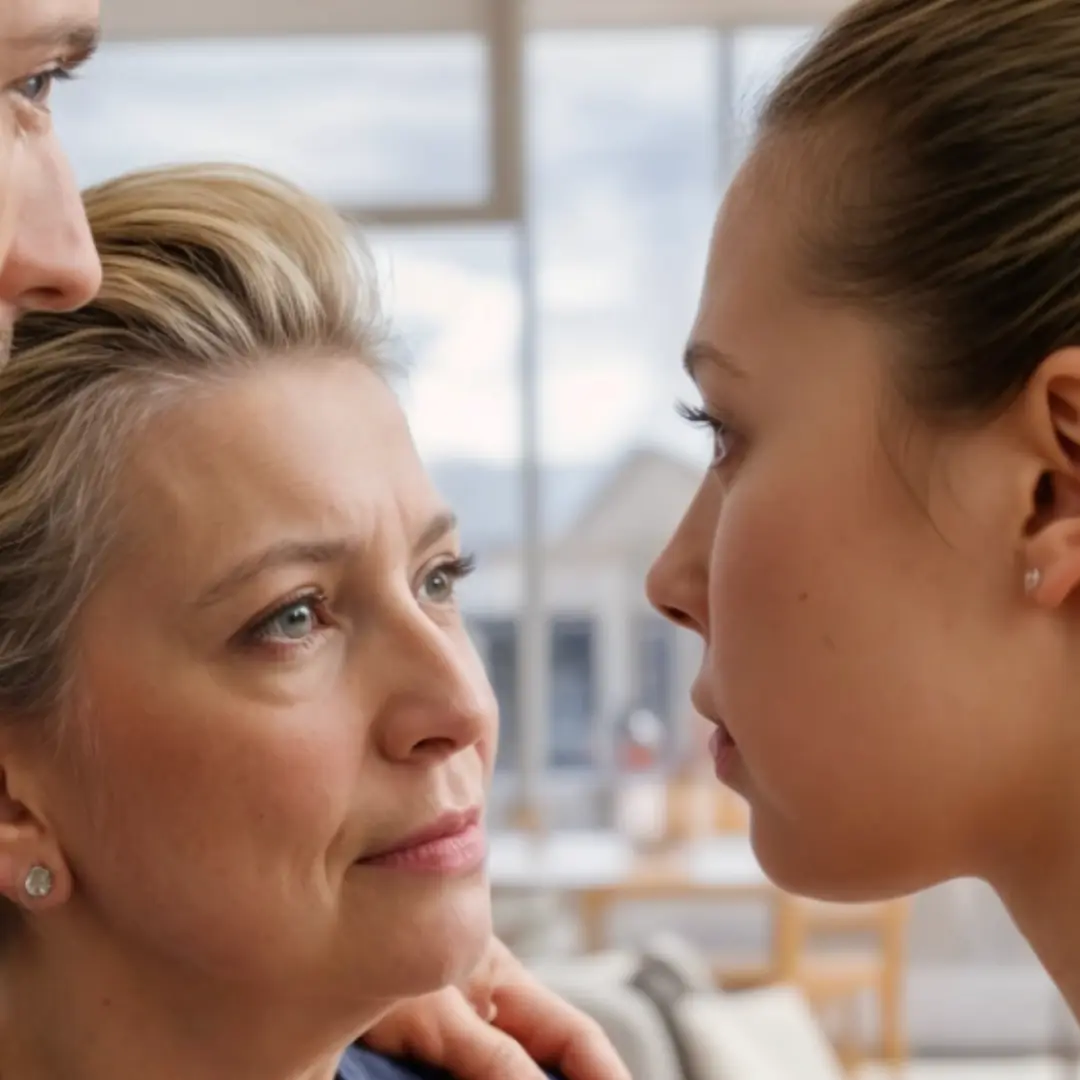
"I’m just trying to make things easier for you, dear," I would say, patting her hand while I rearranged the spices in her pantry to a system that made sense to me.
I didn't see the way Claire’s smile would tighten, or the way Julian would look at the floor when I overstepped. I chose to interpret their politeness as agreement. I viewed my interference as a maternal duty, a way to ensure my son’s comfort. But underneath that "help" was a simmering, unspoken fear. I was terrified of being replaced. I was afraid that if Claire became the one who knew him best, there would be no room left for me.
The generational differences became my favorite weapons. I would often lament how "our generation" valued family loyalty differently, or how things were "simpler" before everything became a negotiation. I used these observations to subtly cast Claire as the outsider, the one who didn't quite understand the "deep roots" Julian and I shared. It was emotional manipulation disguised as nostalgia, and I practiced it with the grace of someone who truly believed she was the protagonist of the story.
The turning point came last Thanksgiving. We were at their home, and I had arrived two hours early, laden with side dishes I knew Julian preferred, despite Claire telling me she had the menu fully under control. I walked into the kitchen and immediately began moving pots around on the stove.
"Oh, Claire, you're using too much garlic in the stuffing," I said, reaching for the salt. "Julian’s stomach has been sensitive lately. Let me just fix this."
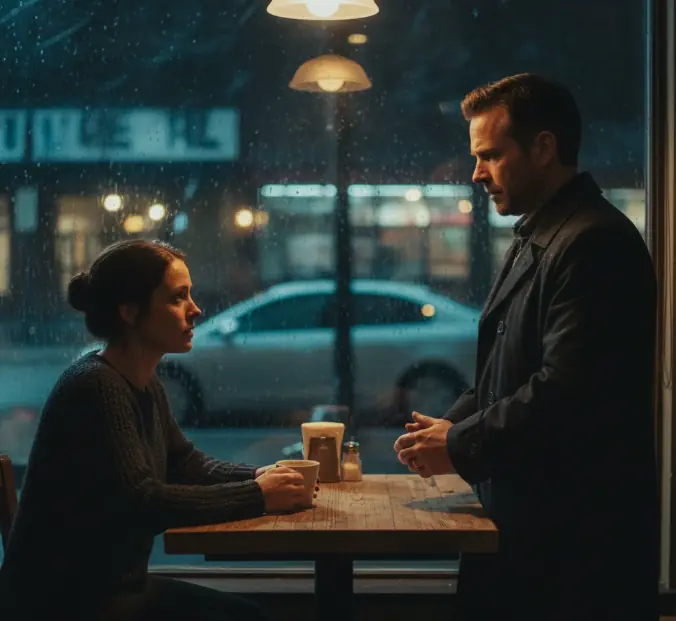
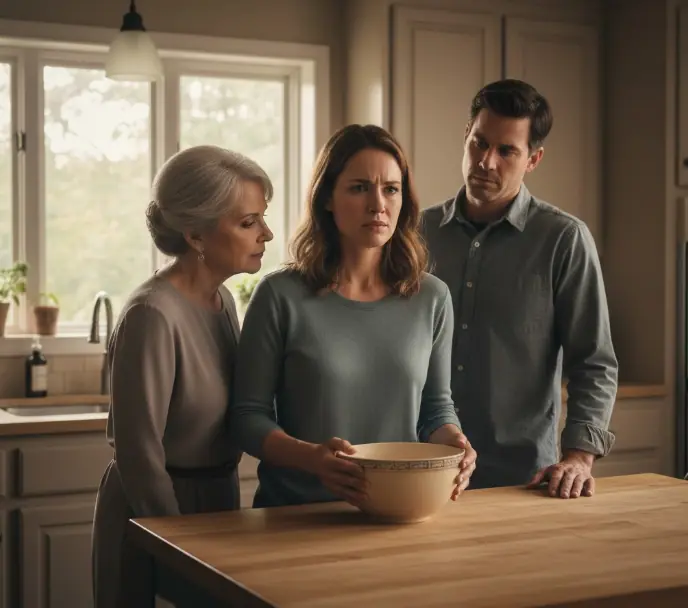
Claire stopped what she was doing. She didn't shout. She didn't throw a tantrum. She simply set her knife down on the cutting board and looked at me. Her eyes weren't angry; they were exhausted.
"Evelyn," she said, her voice low and steady. "I have lived with Julian for four years. I know his stomach. I know his tastes. And more importantly, I know that this is our first Thanksgiving in our home. Every time you 'fix' something, you are telling me that I am not enough for my own husband. You aren't helping us. You are competing with me."
I opened my mouth to defend myself, to say I was "just being a mother," but Julian walked into the kitchen at that exact moment. I looked at him, waiting for him to bridge the gap, to tell Claire she was being too sensitive.
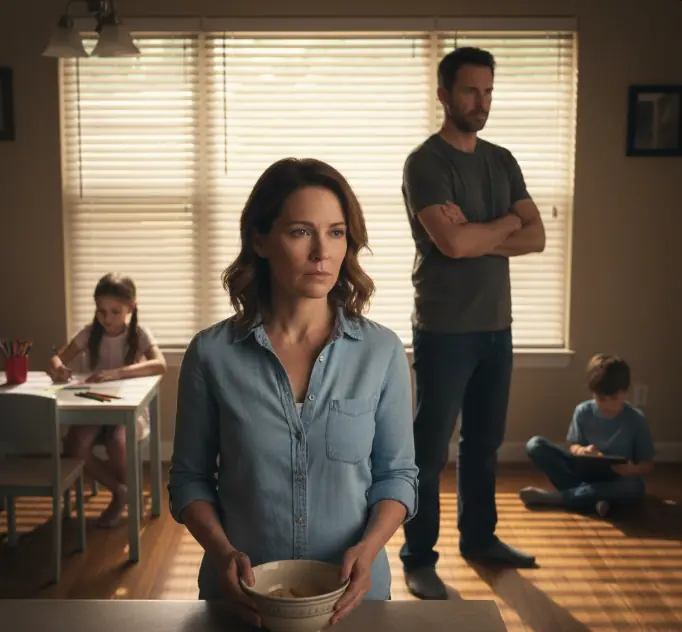
But Julian stayed by her side. He put a hand on her shoulder and looked at me with a profound, quiet sadness. "Mom," he said. "I love you. But you have to let me grow up. You have to let Claire be the woman of this house. If you can’t respect the life we are building, you aren't really loving me—you're just trying to keep me."
The silence that followed was deafening. I felt a wave of hot shame wash over me, followed by a cold realization. I looked at the two of them—a united front—and saw for the first time that my "good intentions" had become a cage. My love had become blurred with possession. I was so busy trying to remain the most important woman in Julian’s life that I hadn't noticed I was becoming the source of his greatest stress.
I spent that evening sitting on their sofa, watching them work together in the kitchen. I saw the way Julian looked at her—the way he leaned in when she spoke, the way they had a private language of nods and smiles that I wasn't a part of. And instead of feeling rejected, I tried, for the first time, to feel proud. I had raised a man who was capable of deep, loyal, and independent love. But for that love to flourish, I had to step out of the light.
The path to self-awareness is not a straight line. I still have the urge to call him three times a day. I still have "suggestions" that I have to bite my tongue to keep from saying. But I am learning that the greatest act of love a mother can perform is the act of letting go. It is the humble recognition that my role has changed from the navigator to the shore—a steady, quiet place for him to return to, but no longer the one who steers the ship.
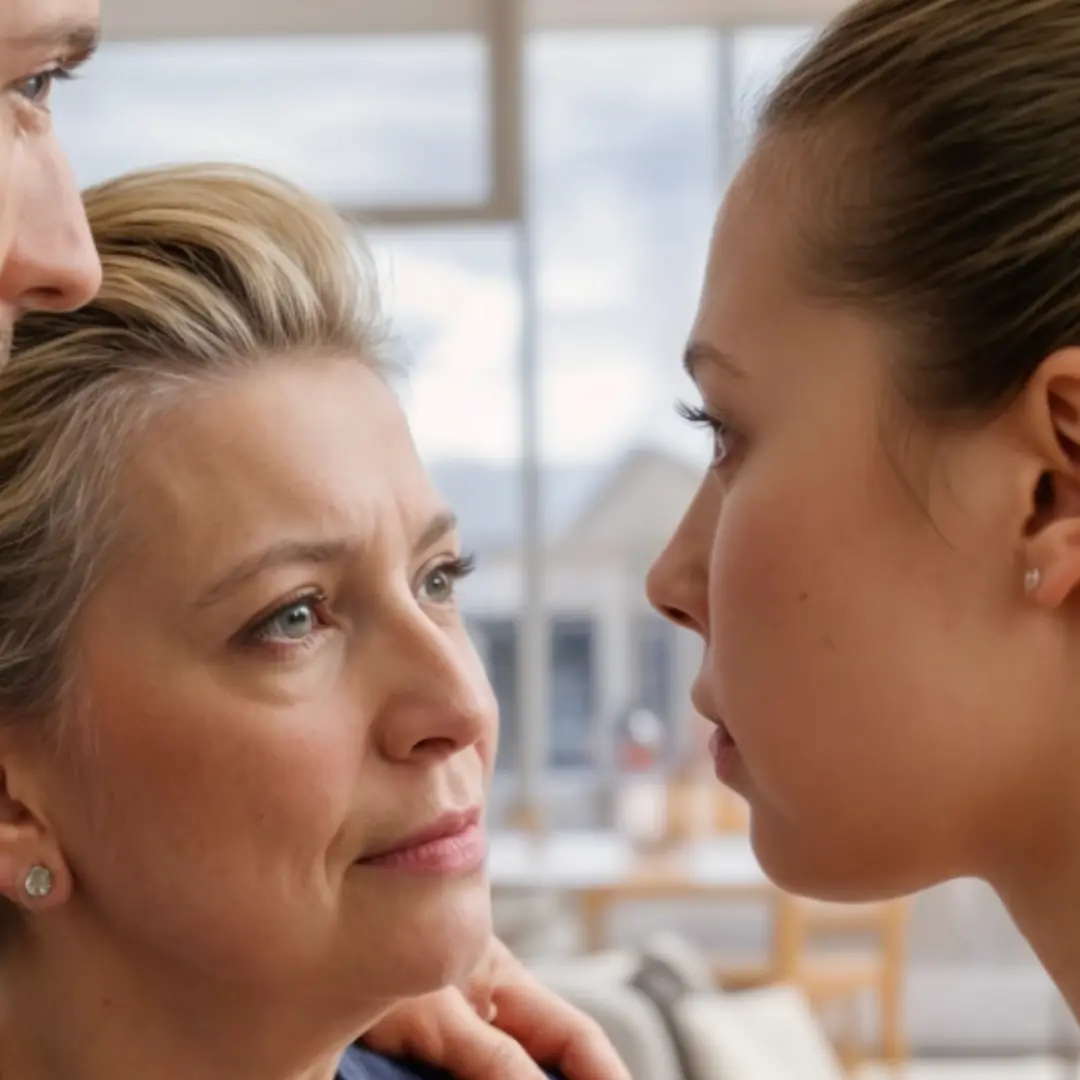
I apologized to Claire a week later. It was a short, difficult conversation. I didn't make excuses. I simply told her that I was learning how to be a mother-in-law, and that I had made a mess of the first few chapters.
"I'm learning to be a daughter-in-law, too," she replied, and there was a genuine softness in her voice that I hadn't heard before.
I realize now that by trying to control my son’s life, I was actually pushing him away. By trying to be his everything, I was ensuring I would eventually become nothing to him. True love isn't about holding on until your knuckles turn white; it's about opening your hand and trusting that what you’ve built is strong enough to survive the distance.
I still look at that wedding photo on my mantle. But now, when I see Julian and Claire’s happy faces, I don't feel that sharp pang of replacement. I feel a quiet, mature sense of accountability. I am no longer the shadow over their marriage. I am a woman who is finding her own life again, realizing that my son’s happiness is not a competition I need to win, but a beautiful, independent garden I get to watch grow from across the fence. I didn't hate Claire. I just loved Julian in a way that was too small for the man he had become. I’m learning to love him bigger now—by letting him go.