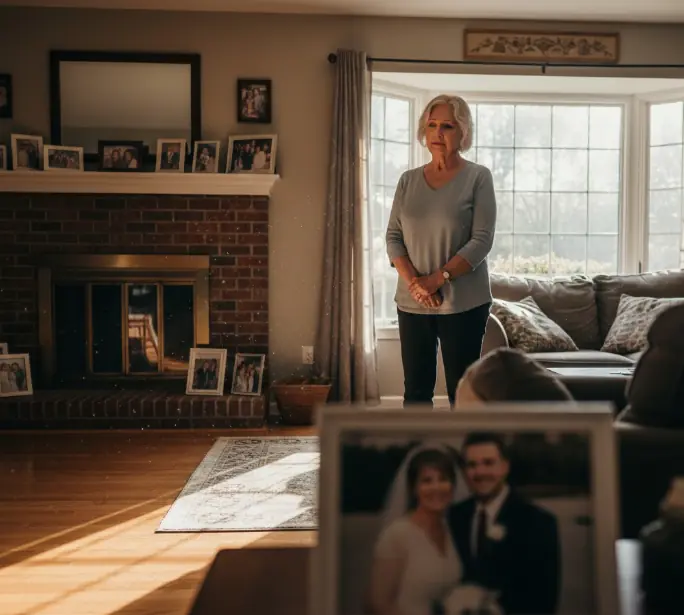
I didn't hate my daughter-in-law, i just didn't know how to let go of my son
I didn't hate my daughter-in-law, i just didn't know how to let go of my son
Story 08/02/2026 10:12

We stayed together after the affair but nothing ever felt the same
The rain in Seattle has a specific, rhythmic quality in late November—a persistent tapping against the windowpane that seems to emphasize the silence inside a house. I was sitting at the kitchen island, watching the steam curl from my coffee mug, while Mark sat across from me reading the morning news on his tablet. To any observer looking through the glass, we were the picture of a stable, long-term marriage. We were the couple that had survived the storm, the ones who chose "us" over the wreckage. But as I watched him, I realized that while we had saved the structure of our marriage, we were living in a house where the warmth had long since evaporated.
It has been three years since the night the world tilted on its axis. I remember the exact temperature of the room when I saw the message on his phone—a stray notification that broke the seal on a secret life he had been leading for six months. There were no shouts that night, no broken plates. Just a cold, paralyzing clarity as I realized that the man I had shared a bed with for fifteen years was a stranger.
When the truth came out, we did everything the books and the counselors suggested. Mark was devastated, genuinely remorseful, and willing to do whatever it took to "fix" what he had broken. We went to therapy every Tuesday at 4:00 PM. we had long, grueling conversations that stretched into the early hours of the morning. He gave me his passwords, his location data, and a level of transparency that was almost clinical in its precision. He stayed home every night, he prioritized my needs, and he became the most attentive husband he had ever been.
We stayed together because we had a history, two beautiful children, and a life that I wasn't ready to dismantle. I chose to stay because I still loved him, and I believed that forgiveness was a muscle that would eventually grow stronger with use.
But three years later, I have realized that trust, once shattered, doesn't grow back into a smooth surface. It grows back like a scarred limb—functional, but forever altered, prone to aching when the weather changes.
The quiet pain of staying is different from the sharp pain of leaving. It is a slow, daily erosion. It is the way my heart still skips a beat whenever he takes a private phone call in the other room, even though I know it’s just his mother. It’s the way I find myself mentally auditing his stories, looking for the tiny inconsistencies that might signal another crack. I am no longer a wife who trusts instinctively; I am an investigator who loves.
The emotional distance is a physical presence between us. We still hold hands when we walk through the park, and we still say "I love you" before we go to sleep. But the words feel like they are being spoken through a thick layer of glass. The effortless, bone-deep intimacy we once had—the kind where you don't even have to speak to be understood—is gone. Now, every interaction is a conscious effort. We are both "performing" a happy marriage, hoping that if we play the roles long enough, the feelings will become real again.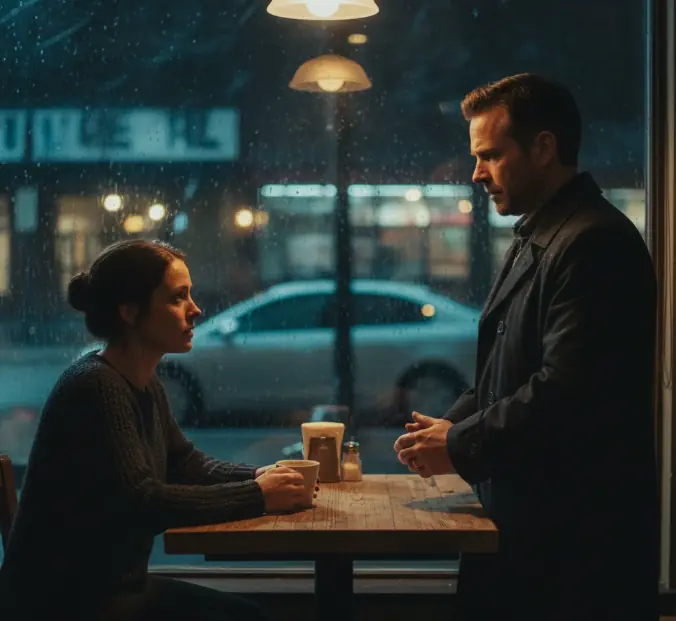
I remember a Saturday afternoon last month. We were working in the garden together, planting bulbs for the spring. Mark reached over to brush a stray hair out of my face, his touch gentle and familiar. For a second, I felt that old spark of connection, that sense of being completely safe in his presence. But then, a memory of a specific text message from three years ago flashed in my mind—a word he had used for her that he used to use for me.
The warmth vanished instantly. I didn't pull away, but I felt myself go cold inside. I offered him a tight, polite smile and went back to the soil. Mark saw the shift; he always does. He stayed quiet, his shoulders slumping just a fraction. This is the tragedy of our "success": we both know exactly what we are missing, and we both know that neither of us can bring it back.
The counselors talk about "the new normal," but they don't tell you how exhausting that normal can be. It is the exhaustion of always being on guard, of never quite being able to let your guard down. I have forgiven him—I truly have. I don't hold the affair over his head during arguments, and I don't use it as a weapon. But forgiveness is not the same as forgetting, and it is certainly not the same as the restoration of innocence.
Our children see a father who is present and a mother who is stable. They see a home that is intact, and for that, I am grateful. I know that if we had separated, their lives would have been fractured in ways that might never heal. My choice to stay was a gift to them, and perhaps, a gift to the version of Mark that I still believe in.
However, the cost of that gift has been my own sense of peace. I have learned to live with the "quiet pain." I have learned to find joy in the small things—a good book, a successful project at work, a laugh shared with a friend. I have learned that a marriage can be successful without being "perfect." We are partners, we are parents, and we are companions. We are building a life on the ruins of the old one, and the new structure is sturdy enough to withstand the wind.
But as I sat in the kitchen this morning, watching Mark finish his coffee, I had to face the realistic truth. Nothing ever felt the same, and it never will. The "us" that existed before the affair is a ghost, and no amount of therapy or transparency can bring a ghost back to life.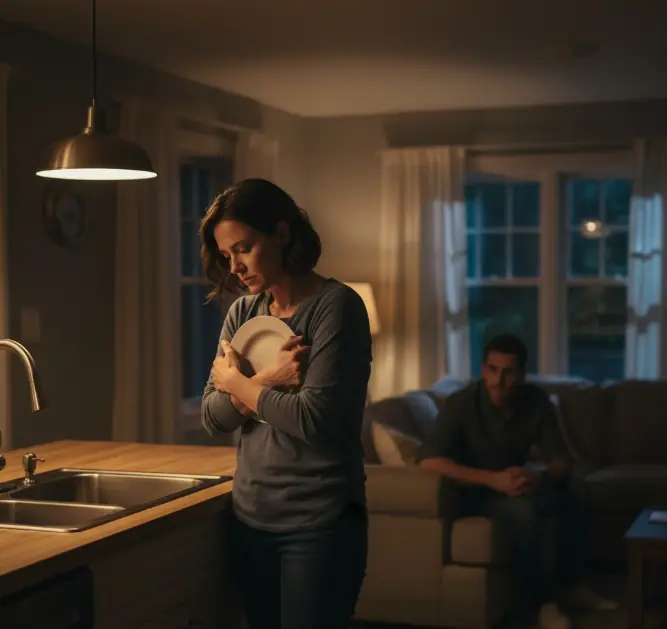
Acceptance is a quiet, heavy thing. I have accepted that my marriage is now a collection of compromises. I have accepted that there will always be a small, guarded part of my heart that belongs only to me. I have accepted that Mark is a man who made a catastrophic mistake and has spent every day since trying to make up for it.
He looked up from his tablet and caught my eye. "You okay, Sarah?" he asked, his voice filled with that familiar, tentative concern.
"I'm okay, Mark," I said, and for the most part, I meant it.
I got up and walked over to him, resting a hand on his shoulder. He covered my hand with his, and we sat there for a moment in the gray Seattle light. It wasn't the passionate, all-encompassing love of our twenties. It wasn't the blind, easy trust of our early thirties. it was something different—something harder, more realistic, and infinitely more complicated.
We are staying. We are trying. We are building something new in the wreckage. The house is standing, and the lights are on, and for now, that has to be enough. I am learning to live in the "after," realizing that while the music has changed, the dance goes on. It’s a slower, more cautious dance, and we step on each other’s toes more than we used to, but we are still on the floor. And in a world of broken things, perhaps that is a victory of its own.
I didn't hate my daughter-in-law, i just didn't know how to let go of my son
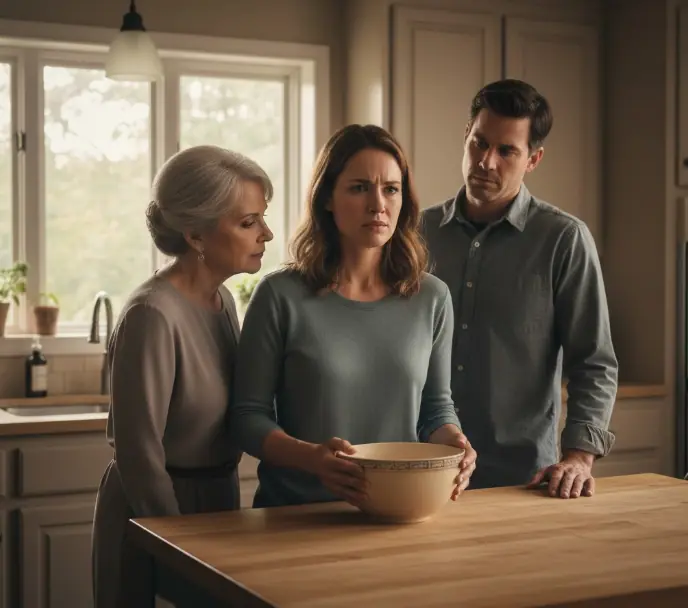
I thought marrying him meant building a life together, not living under his mother’s shadow
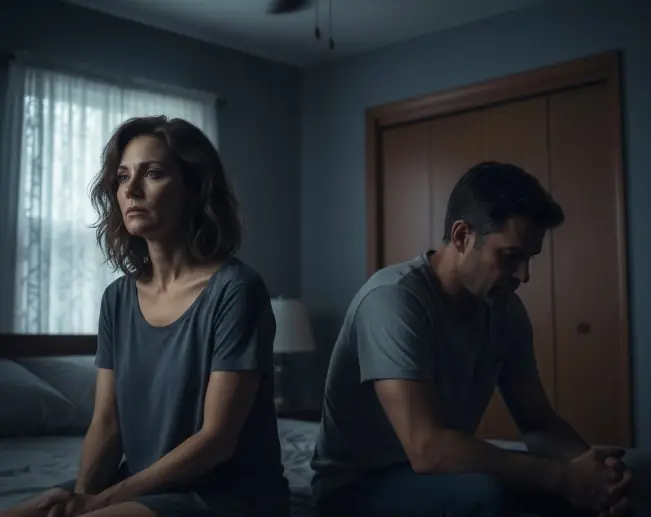
After twenty years of marriage i realized we had become strangers
I fell in love with someone who was already married and i chose to walk away
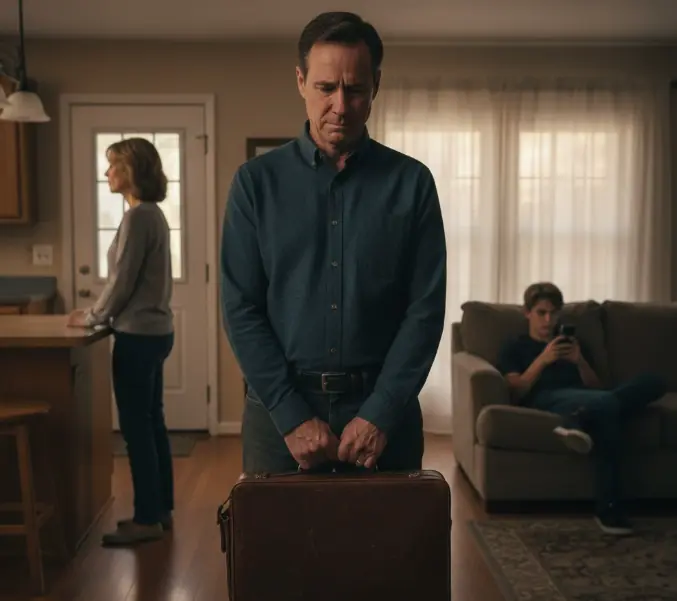
I thought providing for my family was enough until i saw the distance in their eyes
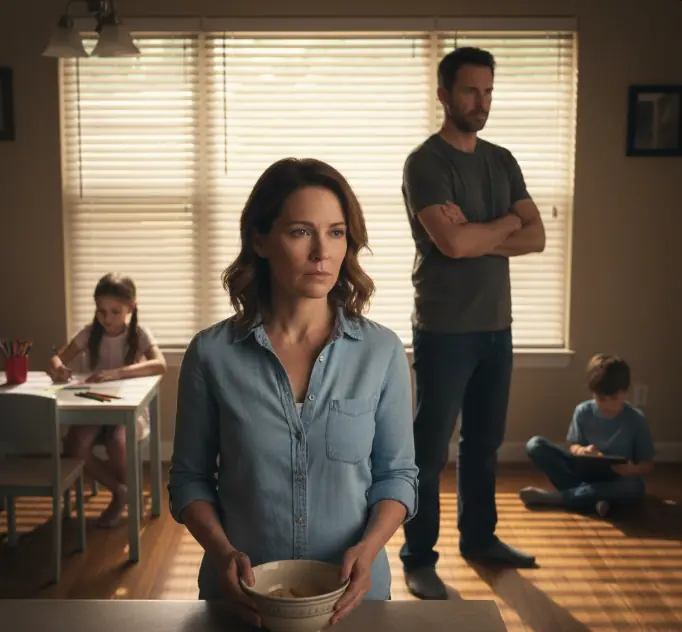
I stayed in my marriage for the children and lost myself along the way

I never planned to hurt my family but one choice changed everything
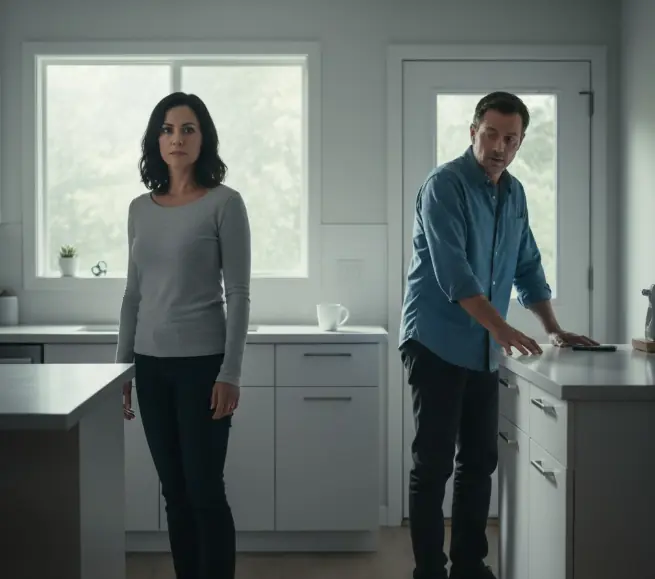
I found out about my husband’s affair long before he knew i knew

— Here are the keys to your apartment; I’m keeping the car — the wife left the family on her own birthday

“You’re giving your apartment to my wife!” the sister’s husband declared. “It’s only fair.”
A Husband Threatened That His Mother Would Come and “Set His Wife Straight.” But Her Reply Made Them Both Regret It

Filing for divorce, her ex-husband thought he’d leave his wife without money or a home – but he was in for a surprise

I’m the one choosing the land plot—I’m the man! And you’re paying for it,” her husband blurted resentfully

“Yes, I Put the Home in My Name. No, It’s Not a Dorm for My Husband’s Relatives Now!”

I’ll be spending New Year’s with my mistress. I’m already ashamed to show you off to my buddies!” her husband declared

And what makes you think I’m the one leaving with the kids? You filed for divorce, so you raise them yourself!” the wife said

“You’re sleeping in the kitchen tonight,” the wife told her husband after his mother’s visit

Just imagine her face when she sees—there’s no money!” my husband laughed, transferring all of his wife’s money to his mother

I didn't hate my daughter-in-law, i just didn't know how to let go of my son
I thought marrying him meant building a life together, not living under his mother’s shadow
After twenty years of marriage i realized we had become strangers
I fell in love with someone who was already married and i chose to walk away
I thought providing for my family was enough until i saw the distance in their eyes
I stayed in my marriage for the children and lost myself along the way
I never planned to hurt my family but one choice changed everything
I found out about my husband’s affair long before he knew i knew

Crispy fried mushrooms: the irresistible snack everyone is craving
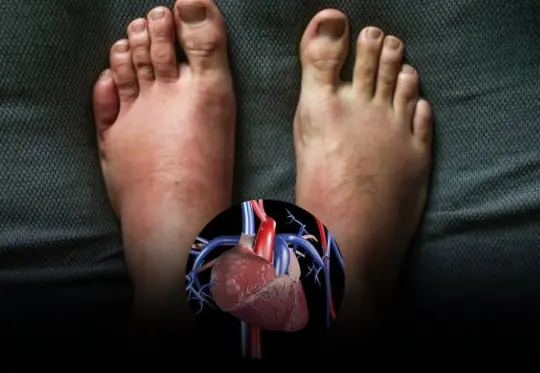
Heart attacks rarely happen without warning. In many cases, the body begins sending subtle but persistent signals weeks before a major cardiac event.
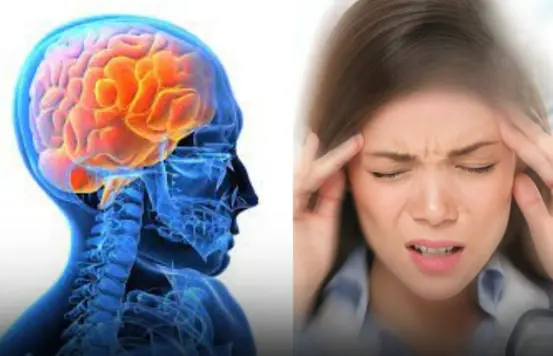
Even young individuals can experience strokes, as highlighted by the case of a 19-year-old suffering a stroke after a headache.
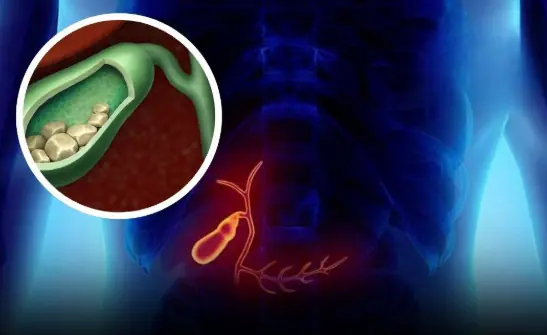
Abdominal pain, loss of appetite, vomiting, weight loss... can be warning signs of gallbladder cancer.

Chicken eggs contain various types of protein that can trigger allergies, especially in the egg white.

In addition to its vital deto.xification role, the liver also functions in metabolism, synthesis, and secretion of essential compounds in the body.
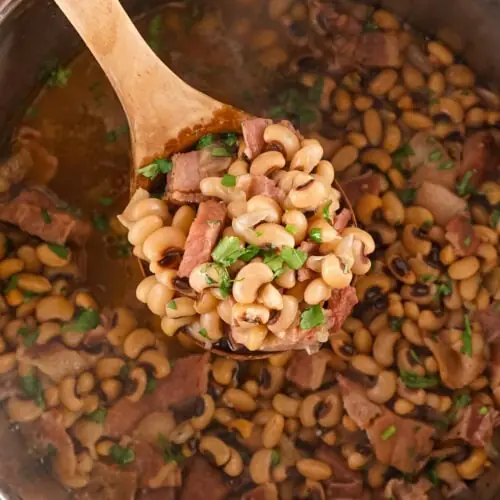
The Importance of Beans in Controlling Diabetes.


Kidney failure is a serious condition that can lead to lifelong dialysis or other severe health complications if left untreated.

One Key Tip for Choosing Cabbage: Guaranteed Crunchy and Sweet Flavor