
Story 08/02/2026 11:42
Christina’s question burst out not as a scream, but as a dull, strangled rasp the moment she stepped over the living-room threshold
Christina’s question burst out not as a scream, but as a dull, strangled rasp the moment she stepped over the living-room threshold
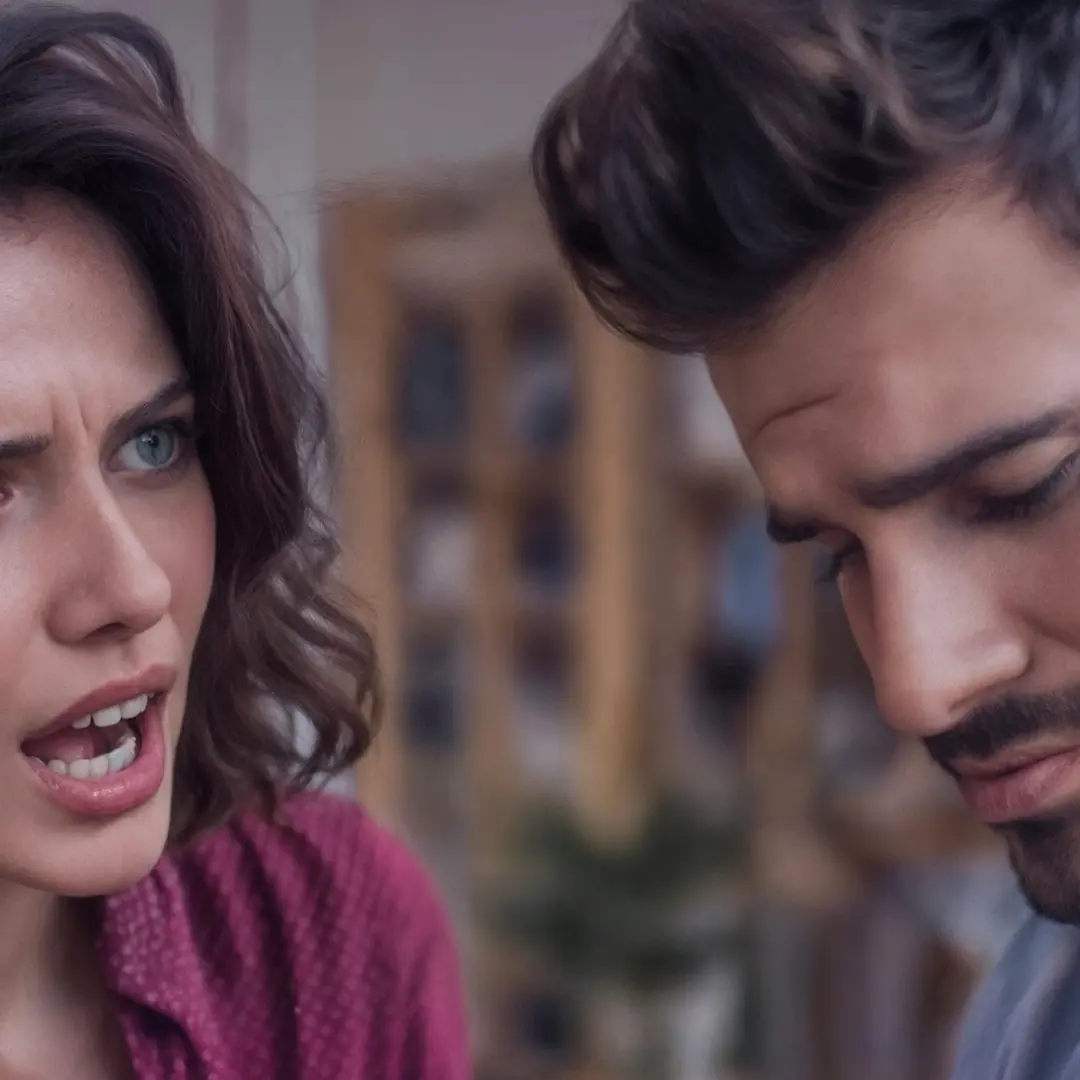
“Have you completely lost it?” Christina blurted out—not as a shout, but as a hoarse, strangled rasp as she stepped into the living room.
Her keys slipped from her hand. The ring hit the parquet with a dull clink, but the sound vanished beneath the TV’s monotonous buzz and the steady click-click of a game controller. The air was thick and suffocating, a heavy blend of expensive perfume, powder, and something oily—like stale petroleum jelly.
In the middle of the room, on her favorite long-pile beige rug, sat seven-year-old Alina, Dima’s niece. The girl looked like a creepy clown from a bargain-bin horror movie. Her face was coated in foundation at least five shades darker than her skin, and a greasy red stripe of lipstick stretched from ear to ear.
But the worst part wasn’t the child’s face.
The worst part was what surrounded her.
Christina’s professional makeup case—the massive black wheeled trunk she guarded like treasure and only left at home on rare weekends—was gaping open. Its contents had been ripped out and strewn across the floor, like the insides of some exotic animal.
“Dima,” Christina called, feeling hot, furious blood start pounding in her temples. “Dima, look at me. Now.”
Dmitry, sprawled across the couch like a starfish, lazily hit pause. On the screen, a soccer player froze mid-kick. He slid his headphones down to his neck and turned to his wife with an irritated grimace.
“Why are you starting up the second you walk in?” he yawned, scratching his stomach under his T-shirt. “Hi, by the way. Me and Alinka are just having fun. Lena asked me to watch her for a couple hours—some urgent stuff.”
Christina moved slowly toward the center of the room, trying not to step on the scattered pearly crumbs. Even so, something crunched nastily under her shoe. She looked down.
It was a Natasha Denona eyeshadow palette—limited edition, ordered through a buyer from the States three months ago. Now it was nothing but a mash of colored dust ground deep into the rug.
Alina saw her aunt and smiled brightly, showing teeth smeared with Tom Ford lipstick. In her hand, the girl clutched a brush made of blue squirrel hair—an instrument that cost more than Dima’s own smartphone. She jabbed the delicate bristles into a crumbled pan of pressed blush, turning the brush into a filthy scrub pad.
“Aunt Christina, look! I’m a princess!” the girl shrieked, waving the ruined brush around.
Christina felt the floor drop away. She crouched, automatically caught the child’s hand—then jerked back. The girl’s fingers were sticky with lip gloss. Nearby lay concealer tubes with their caps twisted off and thrown under the armchair, the product squeezed out in lumpy piles like bird droppings.
“Dima,” Christina said in an unnaturally even voice, picking up an empty bottle of pre-makeup serum. The glass was intact, but not a single drop remained. “Do you even understand what’s happening here?”
“What’s the big deal?” her husband rolled his eyes, glancing back at the TV. “The kid played. She was bored. She whined for half an hour, didn’t want cartoons, the tablet died. She saw your suitcase, asked to look at the ‘pretty boxes.’ I opened it. Let her draw—are you really that stingy? It’s just paints. We’ll wash it off.
Christina stood up. Something inside her tightened like a steel wire, stretched to the limit—ready to snap and cut through everything. She took in the scene: eyeshadows, highlighters, bronzers—all mashed into one muddy brown mess. Palettes weren’t just opened; they’d been gouged out. Alina wasn’t “doing makeup.” She was digging, enjoying the texture, breaking pressed pigments with her nails and plastic little spatulas.
“Just paints?” Christina repeated.
“Yeah.”
“So you handed my professional makeup kit—worth a hundred thousand rubles—to your niece as a toy because ‘the poor baby was crying and wanted to do makeup’? You turned my working tools into a heap of mashed shadow and lipstick!”
She stared at him, her eyes darkening. Dima seemed to feel a flicker of discomfort for the first time. He sat up straighter, but his posture still screamed irritation—not guilt.
“Come on, it’s not a hundred thousand—don’t make things up,” he snorted, waving her off. “So what—lipstick, shadow. You’ll buy new stuff at Magnit Cosmetics. Problem solved. The kid calmed down and let me finish the match. Do you even know how hard it is to babysit? She screamed my brains out.”
Christina bent and picked up a Hakuhodo brush. The bristles were smeared with waterproof eyeliner that set solid in thirty seconds. The brush was dead. It couldn’t be saved.
“At Magnit Cosmetics?” Christina repeated quietly, turning the ruined tool in her fingers. “Dima, this brush costs seven thousand rubles. One brush. That palette your niece is using as an armrest costs twelve thousand—and they don’t even bring it into Russia right now. And that foundation you let her grind into the rug costs six thousand a bottle.”
“Oh, here we go,” Dima snapped, springing off the couch and tossing the controller onto a cushion. “Now she’s showing me price tags! This is your fault—you leave your stuff lying around. If you’d put it away, nobody would’ve touched it. If it’s out where everyone can see it, it must not be that important.”
“The case was locked,” Christina said sharply. “It was in the corner behind the armchair. You’d have to move the furniture to get to it. And to open it, you need the codes. Alina couldn’t do that. You took it out. You opened it yourself.”
“So I opened it!” Dima shouted, and Alina froze, startled, mouth open. “What now—are you going to execute me? I told you, she was screaming! My head was splitting! I thought it was just women’s junk, tubes and smears. How was I supposed to know you blow half the budget on your plaster? What are you—sick?”
Christina looked at her hands—clean, manicured, careful. For a second she wanted to grab a sticky, filthy palette and smash it into his face.
But she didn’t. Not yet.
“This isn’t ‘women’s junk,’ Dima,” she said, staring straight at the bridge of his nose. “This is how I earn money. Including the money that buys the food you shovel down every night. And the internet you use to download your games. Tomorrow I have a bride. I’m booked for five in the morning. What am I supposed to do her makeup with—my finger? Or this?”
She nudged a crushed tube of primer with the toe of her shoe. The greasy gel squelched and spat another ribbon of silicone onto the rug.
“You’ll figure something out—you’re the pro,” Dima shrugged, already losing interest. He was sure the storm had passed. “Call your friend, borrow stuff. You’re making a tragedy out of nothing. And clean this up, okay? Lena will be here in an hour—it’ll be awkward if Alinka’s all messy.”
He dropped back onto the couch and reached for his headphones. Christina stood perfectly still, staring at the broad back of his head. In her chest—where her heart usually beat—something cold and deliberate began to burn.
“Don’t you dare put those on,” she said, stepping closer and yanking the cord. The headset slid off Dmitry’s neck and fell onto the couch. “You’re going to listen to me. And you’re going to listen carefully, because I’m not saying this twice.”
Dmitry flinched, his face flushing. He hated being interrupted, and he hated even more being told what to do.
“What, are you crazy?” He twirled a finger at his temple. “You’ll tear the wire! That costs money!”
“Money?” Christina laughed, and the sound was like metal scraping glass. “Now you want to talk about money? Dima, do you have any idea how long it took me to build that kit? That palette your niece is using like a sandbox shovel is Dior Backstage. You can’t import it right now. It’s not here—period. I waited two months for it through Kazakhstan. And that tube over there is Estée Lauder foundation—the one that covers everything—and it was almost full. Was. Until you decided it was perfect finger paint.”
Alina lifted her head at the sound of her name. Her face had already turned into a gray-brown-raspberry mask. She held a beauty blender soaked in water from a glass of half-finished cola and enthusiastically rubbed it through crumbled shadow that cost four thousand rubles.
“Uncle Dima, she’s yelling,” the girl whimpered, staring at Christina in fear. “I don’t want to play. I want to go home.”
“It’s okay, sweetheart, don’t be scared,” Dmitry instantly switched to a syrupy tone, patted his niece’s hair—sticky with hairspray—and then glared at his wife with hatred. “See? You’re scaring the kid. Your rags and powders matter more to you than a living person. You’re a money-obsessed hysteric, Christina. I always knew you were stingy, but this is ridiculous…”
“Stingy?” Christina’s breath caught with indignation. “I work twelve-hour days on my feet. I breathe hairspray and alcohol. I haul that damn case all over the city so we have money for the mortgage—which, by the way, I mostly pay while you ‘find yourself’ and switch to your third job in a year. That case is my livelihood. You destroyed my office, my machine, my tools! Tomorrow at five in the morning a bride is coming to me. She has a wedding, Dima—the most important day of her life! And I don’t have foundation, I don’t have powder, I don’t have clean brushes! What am I supposed to do her makeup with—gouache? Or maybe your gaming console?”
Dmitry snorted and leaned back deliberately, crossing one leg over the other.
“Oh, spare me. You’ll paint her with something else. You’ve got a million jars in the bathroom. Or go ask the neighbor for mascara. Big deal. You’re not a surgeon—you’re just smearing plaster on faces. What a heroic job, waving a brush around. Any schoolgirl could do it. You’re acting like you’re building a nuclear reactor.”
Those words hit harder than the sight of the ruined makeup. He wiped it all out with one sentence—five years of training, master classes with top artists, sleepless nights, feet rubbed raw. To him, it was just “plaster.”
“So to you it’s just mess?” she asked quietly.
“Exactly.” He nodded, feeling superior. “It’s just colored dust. And Alina is a child. She was bored, she was crying. I made a man’s decision: a child’s peace is more important than your lipsticks. And if you don’t understand that, Christina, you’re just a dry, heartless woman who was never meant to be a mother. No wonder we don’t have kids. You’d probably begrudge your own child a pencil that costs a hundred rubles.”
Sensing her uncle’s support, Alina got bolder. She grabbed a long-wear gel lip liner—the one Christina saved for mature clients—and dragged it hard across the pristine white sleeve of her sweater, leaving a thick cherry streak.
“Look how it draws!” the girl said proudly.
“Good job,” Dima muttered without even looking at her. He kept drilling his eyes into his wife, expecting the usual: excuses, tears, cleaning up the mess like always. “Hear that? The kid likes it. And you’ll buy new stuff. You’ll earn it. You’re ‘in demand,’ aren’t you.”
Christina stared at him—and suddenly the haze of rage slipped away. It simply evaporated. In its place came crystalline, icy clarity. She saw him as he truly was: not a tired husband, but a lazy, selfish parasite who respected neither her work nor her as a person. He hadn’t just allowed her things to be destroyed—he’d enjoyed the power of deciding what happened to her property, her money, her nerves, hiding behind fake concern for a child.
“You’re right,” she said in a perfectly calm voice. “I’ll earn it. I’ll buy new things.”
“There you go.” Dmitry smirked smugly and reached for the controller. “About time. Instead of putting on a circus. And clean this up fast before Lena comes—don’t embarrass me in front of my sister with this pigsty.”
He put his headphones back on, sure he’d won—sure he’d put his wife in her place. Christina looked at him one last time. There was no love in her gaze, no hurt—only the cold calculation of a surgeon preparing to amputate a gangrenous limb.
She shifted her eyes to his desk. Glowing with neon lights stood the centerpiece of Dmitry’s existence—his altar. His “tool.” The thing that brought nothing into the house but noise and expense.
Christina said nothing. A strange, sticky silence hung in the room—silence Dmitry, in his smug blindness, mistook for surrender. He snorted, adjusted the microphone on his headset, and dove back into his virtual world, where he was a hero, a commander, a strategist—not a man living in his wife’s apartment on her money.
She slowly looked from his broad back in a sagging T-shirt to the corner of the living room he called his “office.” He’d arranged it with more care and devotion than he had ever shown her or their home: a solid oak desk they’d bought on credit; a massive curved monitor with a refresh rate he’d lectured her about for hours; a tower beside it, a glossy black monolith humming with fans that cooled a graphics card worth two months of her salary. And nearby, on a special stand, rested the newest-generation game console—white, sleek, like a tiny spaceship.
Christina looked at the hardware and didn’t see plastic and circuits. She saw hours of her life. She saw hundreds of weddings, graduations, photo shoots—standing until her lower back screamed—so he could buy himself these “toys.”
“Heal me, heal me! Where are you going, you useless bot?” Dmitry screamed into the mic, hammering the keys. The loud clack of the mechanical keyboard echoed through the room.
Alina, bored of the already destroyed shadows, now tried to paint a Barbie doll’s lashes with Chanel mascara. The wand snagged in the doll’s synthetic hair; the girl yanked it hard, splattering black streaks across the pale wallpaper.
Christina drew a deep breath. The air, soaked in the scent of expensive cosmetics, suddenly felt strangely fresh. She felt light—light the way a person feels when they suddenly realize there is nothing left to lose. Fear disappeared. Pity disappeared. Only cold, mathematical logic remained: action equals reaction.
She didn’t scream. She didn’t stomp. She simply walked to his desk. Her steps were soft, swallowed by the plush rug—now beyond saving.
Dmitry was too absorbed in his raid to notice her. He didn’t see her reach for the power strip hidden behind the computer. He didn’t see how her hand—steady, calm, the professional hand that could draw a perfect winged liner—settled on the red switch.
“Come on, come on—flank them!” he barked at his unseen teammates.
Christina pressed the red button.
The click was barely audible, but the effect was immediate. The roar of the fans died as if someone had cut the throat of a beast. The neon lights went dark, leaving the corner in dull gray shadow. The huge curved screen flickered and turned into a black mirror, reflecting Dmitry’s stunned face.
“What the—” He froze, staring at the dead screen. “Hey! Did the power go out?”
He ripped off his headset and spun around, expecting the chandelier to be dark. But the room lights were on. The TV was still running. Only his sacred corner had gone silent.
“What are you doing?!” he roared, springing up so fast his chair flew back and slammed into the wardrobe. “Have you completely snapped? That was a ranked match! I’ll get banned because of you! Do you have any idea how long I grinded that rank?”
Without a word, Christina bent down and pulled the PC’s power cord from the outlet. Then, with the same deliberate calm, she unplugged the console’s HDMI cable.
“Don’t touch it!” Dmitry lunged, grabbing her wrist. “Take your hands off! It’s equipment, idiot—money! You’ll break it!”
“Money?” Christina repeated, looking at his fingers clamped around her wrist. She didn’t even feel pain. “You said money is replaceable. That it’s just stuff. Didn’t you?”
“You’re comparing my graphics card to your stupid pencils?” he spat, his face blotched red. “You’ve lost your mind. Turn it back on. Now!”
Christina slipped her hand free easily. Dmitry was bigger, but he was panicking—and she was perfectly focused. She picked up his favorite laptop from the desk: slim, powerful, the one he used to watch streams while she cooked dinner.
“Put it down,” he hissed, and for the first time there was real threat in his voice. “Christina, don’t push me. Put the laptop down. That’s my work tool.”
“Work tool?” She gave a small smile—one far more terrifying than any scream. “But you said if a tool gets ruined, it’s nothing. You can buy a new one anywhere. You said peace in the family matters more.”
“Christina!” he shouted, stepping toward her.
But she was faster. In one sharp motion she tucked the console under her arm, gripped the laptop in the other hand, and headed for the balcony door.
For a second Dmitry just stared. His brain refused to accept what he was seeing. In his world, a woman could cry, smash plates in the kitchen, run to her mother’s house. But she couldn’t touch the holy of holies—his tech.
“Stop!” he screamed when the meaning finally hit him. “Stop, you psycho!”
Alina, terrified by the shouting, dropped the doll and clapped her hands over her ears, curling into the corner of the couch. But Christina no longer saw the child or the man. She saw only the balcony door—open to the evening city, to the cold asphalt of the parking lot below. She moved toward it like an icebreaker, and his yelling couldn’t slow her down.
The balcony door creaked as it swung open, letting in the sharp, sobering air of the city night. Christina stepped onto the concrete floor, not feeling the cold despite her thin house T-shirt. Adrenaline warmed her better than any winter jacket.
From the sixth floor, the courtyard looked like a toy set: gray patches of asphalt, parked cars, a few pedestrians—everything reduced to scenery for the one scene she had decided to play to the end.
“Stop, you bitch!” Dmitry burst onto the balcony after her, twisted with fear and rage, gasping as he tried to grab her shoulder. “Give it back! Those are my things!”
He was late—by a single fraction of a second. The fraction that separated his “before” life, with comfortable gaming, from the reality he had just stepped into.
Christina opened her left hand. The heavy gaming laptop—its matte black casing still warm from the processor—slid free. It didn’t float like a bird. It dropped like a stone, tumbling through the air. In the glow of the streetlights, the brand logo flashed for an instant.
“No!” Dmitry howled, rushing to the railing and leaning so far over it he looked ready to jump after it.
The impact reached them a second later—not a cinematic explosion, but a dry, nauseating crunch of expensive plastic and metal meeting unforgiving asphalt. Like a giant jaw snapping shut on a fragile bone.
Christina didn’t look down. She looked at her husband. And her hands weren’t empty yet. In her right hand she still held the console—white, sleek, futuristic.
Dmitry whipped around. Tears filled his eyes—real tears, the kind she hadn’t seen even at his grandmother’s funeral.
“You won’t,” he whispered, holding his hands out like a negotiator. His voice trembled, pitching high. “Kris, please. That thing’s fifty grand. I’m still paying it off. Don’t. I get it now. I’ll buy your shadows, I swear.”
“Shadows?” Christina repeated. There was no triumph in her tone—only a dead, exhausted calm. “It wasn’t just shadows, Dima. It was my respect for you. And you just ground it into that rug.”
She swung her arm lightly, as if tossing out a bag of trash. The console traced a clean arc, flashed white once, and vanished into the dark after its electronic brother.
Dmitry made a sound like an animal that had been wounded where it hurts most. The second crash from below landed like the final chord of their marriage. Somewhere down in the yard, a car alarm went off, reacting to the vibration of the impact.
Christina brushed her hands together as if shaking off invisible dirt and stepped back inside. Dmitry stood on the balcony gripping the railing with white knuckles, staring down at the pile of wreckage that used to be his evenings and weekends.
Back in the living room, Christina saw Alina. The child sat on the couch with her legs pulled up, staring at her aunt in horror. The doll-like face smeared in luxury lipstick was streaked with tears now, leaving muddy tracks down her cheeks.
“Get dressed,” Christina said curtly.
Dmitry stumbled in after her, shaking. He looked like someone who’d survived a train wreck—red-faced, disheveled, eyes wild.
“You… you monster,” he rasped, pointing at her. “You destroyed two hundred thousand rubles’ worth of gear! Do you even understand what you’ve done? They’re just things! Just metal! How can you be such a piece of—”
“Come on, Dima.” Christina’s smile was sharp as a scalpel. “You’ll buy new ones. They’re just gadgets. Replaceable. The important part is I calmed down. You said it yourself—protect your nerves. So I protected mine.”
“I’ll sue you!” he screamed, spitting as he talked. “I’ll call the police! You’ll pay me back—every kopek!”
“Call them,” she nodded. “And while you’re at it, tell them how you let my work tools get destroyed—tools worth more than your gaming junk. Tell them you live in my apartment and don’t put a ruble into repairs. Tell them you’re sitting on my neck. Go ahead. Let’s all have a laugh.”
Dmitry froze. He knew the apartment was in her name. He knew the receipts were long gone, and the credit payments came from a card she topped up. His rage smashed against the ice wall of her calm—and shattered. He understood, in that moment, that he had lost. Completely.
“Get out of my house,” Christina said quietly, but with absolute clarity.
“What?” he blinked. “Where am I supposed to go? It’s night! And I’ve got a kid!”
“That’s not your kid—that’s your niece,” Christina cut in. “She has parents. Call your sister to pick her up. Or take her yourself. I don’t care. You have five minutes. Then I don’t want to see either of you here.”
She walked to the front door and flung it open. The stairwell smelled of dampness and cigarettes.
“You can’t throw us out,” Dmitry tried to press, but his voice had lost its force. “Christina, let’s talk like adults. We both snapped, it happens. I’ll forgive the laptop—fine. You’re not going to destroy a family over nonsense.”
“A family?” Christina looked at him like he was air. “There hasn’t been a family here in a long time, Dima. There was a parasite and a donor. The donor is tired. The donor wants to sleep before work.”
She yanked his jacket from the coat rack and threw it into his face. The zipper smacked his cheek, leaving a red scrape.
“Dress the child and leave. Time’s ticking.”
Dmitry stared at her, then at the sobbing Alina, then at the debris of his life scattered across the room. He understood this was the end—no “later,” no “we’ll make up.” In his wife’s eyes there was emptiness. Where care and patience used to live, there was scorched earth.
Without a word, moving with pathetic, frantic clumsiness, he started wrestling Alina into her jacket. The girl sniffled, smearing the last of the makeup across her face—makeup worth thousands of rubles. Dmitry shoved his feet into his boots without tying them, scooped the child up, and headed for the door.
At the threshold he stopped and looked back. Hatred and confusion warred on his face.
“You’ll regret this,” he spat. “You’ll die alone with your stupid brushes, you old hag. Who would want a psycho like you?”
“Close the door from the outside,” Christina replied without blinking.
The door slammed so hard the walls trembled. The lock clicked. Christina was alone.
Silence spread through the apartment—no ringing, no oppressive heaviness—just plain silence. Empty. Honest. She looked at the rug, now a madman’s palette. At the empty boxes and shattered pans. At the broken brushes.
Tomorrow would be hard. Tomorrow she’d have to apologize to the bride, find replacements, borrow money, run all over town. But that was tomorrow.
Christina walked to the desk where Dmitry’s “altar” had stood five minutes ago. Now it was bare. Only torn cords dangled from the outlets like dead vines. She ran her hand over the smooth tabletop, wiping away invisible dust.
“At least I’m calm now,” she whispered into the emptiness.
And for the first time that evening, a faint but genuine smile touched her lips. She went to the kitchen for trash bags. The cleanup would take a long time—but now she knew for sure: there would never be trash in her home again. Not on her rug, and not in her life.
News in the same category
I didn't hate my daughter-in-law, i just didn't know how to let go of my son
I didn't hate my daughter-in-law, i just didn't know how to let go of my son
We stayed together after the affair but nothing ever felt the same
We stayed together after the affair but nothing ever felt the same
I thought marrying him meant building a life together, not living under his mother’s shadow
I thought marrying him meant building a life together, not living under his mother’s shadow
After twenty years of marriage i realized we had become strangers
After twenty years of marriage i realized we had become strangers
I fell in love with someone who was already married and i chose to walk away
I fell in love with someone who was already married and i chose to walk away
I thought providing for my family was enough until i saw the distance in their eyes
I thought providing for my family was enough until i saw the distance in their eyes
I stayed in my marriage for the children and lost myself along the way
I stayed in my marriage for the children and lost myself along the way
I never planned to hurt my family but one choice changed everything
I never planned to hurt my family but one choice changed everything
I found out about my husband’s affair long before he knew i knew
I found out about my husband’s affair long before he knew i knew

— Here are the keys to your apartment; I’m keeping the car — the wife left the family on her own birthday
— Here are the keys to your apartment; I’m keeping the car — the wife left the family on her own birthday

“You’re giving your apartment to my wife!” the sister’s husband declared. “It’s only fair.”
“You’re giving your apartment to my wife!” the sister’s husband declared. “It’s only fair.”
A Husband Threatened That His Mother Would Come and “Set His Wife Straight.” But Her Reply Made Them Both Regret It
A Husband Threatened That His Mother Would Come and “Set His Wife Straight.” But Her Reply Made Them Both Regret It
Filing for divorce, her ex-husband thought he’d leave his wife without money or a home – but he was in for a surprise
Filing for divorce, her ex-husband thought he’d leave his wife without money or a home – but he was in for a surprise

I’m the one choosing the land plot—I’m the man! And you’re paying for it,” her husband blurted resentfully
I’m the one choosing the land plot—I’m the man! And you’re paying for it,” her husband blurted resentfully
“Yes, I Put the Home in My Name. No, It’s Not a Dorm for My Husband’s Relatives Now!”
“Yes, I Put the Home in My Name. No, It’s Not a Dorm for My Husband’s Relatives Now!”

I’ll be spending New Year’s with my mistress. I’m already ashamed to show you off to my buddies!” her husband declared
I’ll be spending New Year’s with my mistress. I’m already ashamed to show you off to my buddies!” her husband declared
And what makes you think I’m the one leaving with the kids? You filed for divorce, so you raise them yourself!” the wife said
And what makes you think I’m the one leaving with the kids? You filed for divorce, so you raise them yourself!” the wife said

“You’re sleeping in the kitchen tonight,” the wife told her husband after his mother’s visit
“You’re sleeping in the kitchen tonight,” the wife told her husband after his mother’s visit
News Post
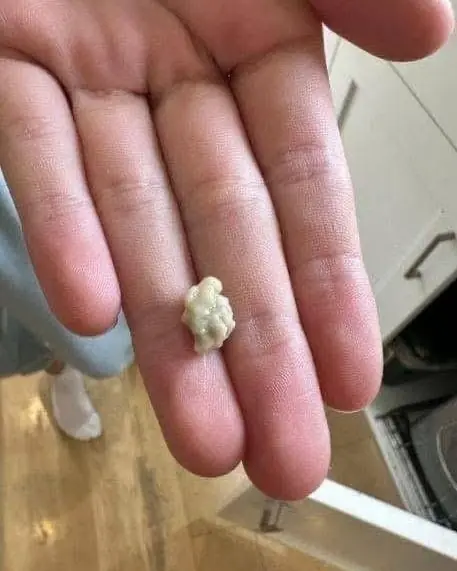
Yesterday I sneezed several times and felt something tickling my throat. Any idea what it was?
Yesterday I sneezed several times and felt something tickling my throat. Any idea what it was?
Facts 08/02/2026 12:43
Neurologist Speaks Frankly: If You Notice This Sign While Sleeping, You Should See a Doctor Early
A neurologist has issued a warning for people who frequently wake up in the middle of the night because of an uncomfortable symptom.
Health 08/02/2026 12:17
Can.cer Is Affecting Younger People: 5 Things Women Should Start Doing Today to Reduce Their Risk
Besides genetic factors, daily lifestyle choices play a crucial role in increasing or reducing cancer risk.
Health 08/02/2026 11:53
— Now he’s with Liza. And I’ll tell you a secret: she’s a perfect match for Vitya. Beautiful, well-groomed, ambitious. And you… well, you understand yourself — a schoolteacher, nothing more
Story 08/02/2026 11:33
I didn't hate my daughter-in-law, i just didn't know how to let go of my son
I didn't hate my daughter-in-law, i just didn't know how to let go of my son
Story 08/02/2026 10:12
We stayed together after the affair but nothing ever felt the same
We stayed together after the affair but nothing ever felt the same
Story 08/02/2026 10:04
I thought marrying him meant building a life together, not living under his mother’s shadow
I thought marrying him meant building a life together, not living under his mother’s shadow
Story 08/02/2026 09:57
After twenty years of marriage i realized we had become strangers
After twenty years of marriage i realized we had become strangers
Story 08/02/2026 09:33
I fell in love with someone who was already married and i chose to walk away
I fell in love with someone who was already married and i chose to walk away
Story 08/02/2026 09:28
I thought providing for my family was enough until i saw the distance in their eyes
I thought providing for my family was enough until i saw the distance in their eyes
Story 08/02/2026 09:23
I stayed in my marriage for the children and lost myself along the way
I stayed in my marriage for the children and lost myself along the way
Story 08/02/2026 09:19
I never planned to hurt my family but one choice changed everything
I never planned to hurt my family but one choice changed everything
Story 08/02/2026 09:14
I found out about my husband’s affair long before he knew i knew
I found out about my husband’s affair long before he knew i knew
Story 08/02/2026 09:08

Crispy Fried Mushrooms with Cool Ranch Dip: A Comfort Snack Worth Trying
Crispy fried mushrooms: the irresistible snack everyone is craving
Food 08/02/2026 05:40
One Month Before A Heart At.tack, Your Body Will Warn You Of These 7 Signs
Heart attacks rarely happen without warning. In many cases, the body begins sending subtle but persistent signals weeks before a major cardiac event.
Health 08/02/2026 04:43

19 years old had a stroke
Even young individuals can experience strokes, as highlighted by the case of a 19-year-old suffering a stroke after a headache.
Facts 08/02/2026 04:36

6 silent symptoms warning of gallbladder c.a.ncer
Abdominal pain, loss of appetite, vomiting, weight loss... can be warning signs of gallbladder cancer.
Health 08/02/2026 04:10

Eating chicken eggs is harmful to these 5 groups of people
Chicken eggs contain various types of protein that can trigger allergies, especially in the egg white.
Health 08/02/2026 03:56

Two it.chy body parts may signal liver can.cer
In addition to its vital deto.xification role, the liver also functions in metabolism, synthesis, and secretion of essential compounds in the body.
Health 08/02/2026 03:52