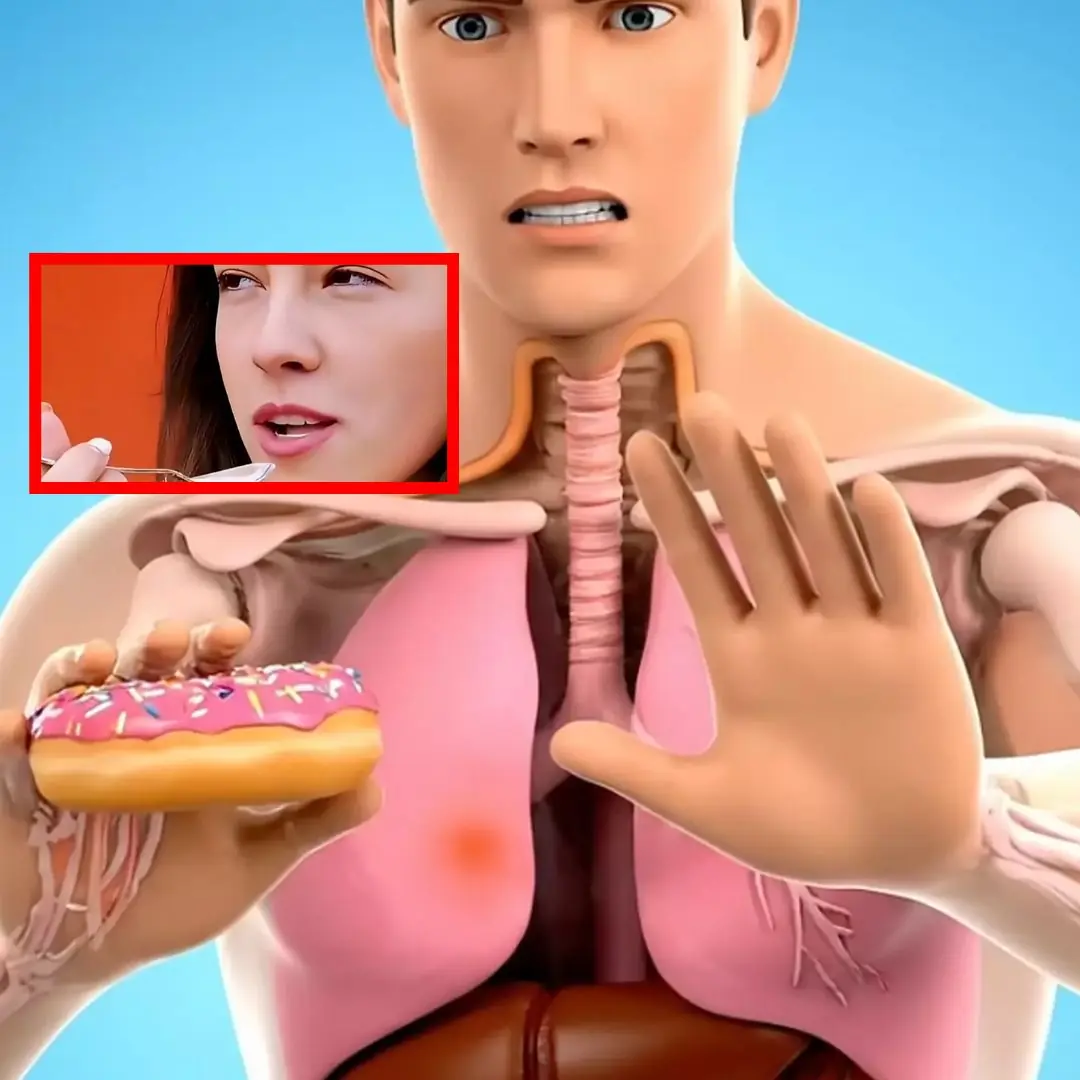
What happens to your body if you quit sugar for two weeks? A simulation shows the results
Health 04/01/2026 11:49
Leftover rice is one of the most common foods people store for the next meal. It’s cheap, filling, and easy to reheat. Many households simply scoop cold rice from the pot or container, warm it up, and eat it without a second thought. But food safety experts warn that reheating rice is not always the problem—the real danger often happens before the rice ever reaches the microwave.
What most people don’t realize is that cooked rice can become a perfect environment for bacteria if it is stored incorrectly. And unlike other foods that smell bad when spoiled, rice can look and taste normal while still carrying harmful toxins.
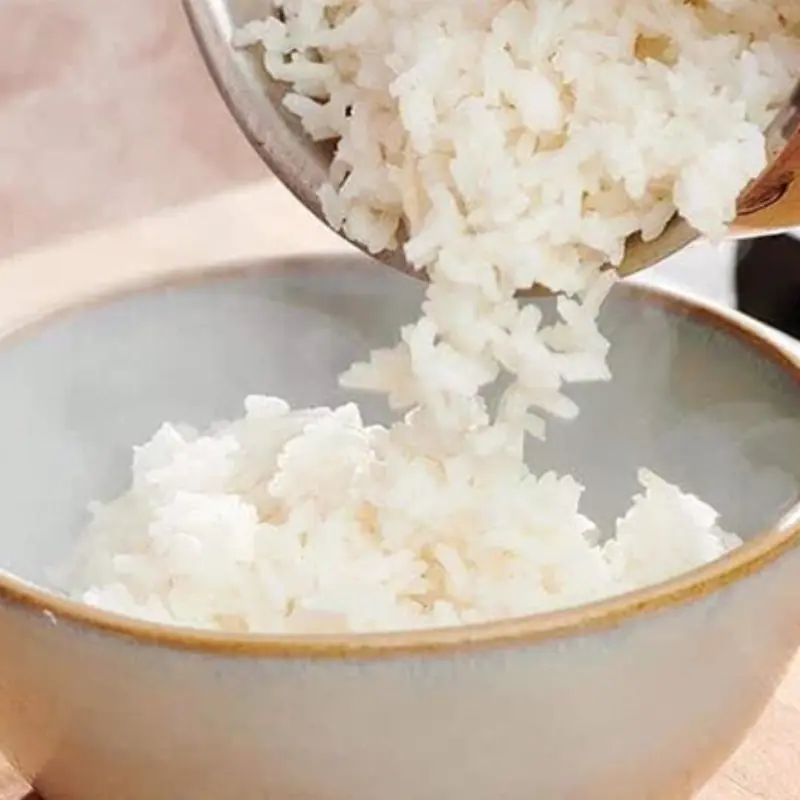
Rice, especially white rice, may contain spores of a bacteria called Bacillus cereus. These spores can survive the cooking process. When rice is left at room temperature for too long, the spores can wake up, grow into bacteria, and produce toxins.
Here’s the key point:
✅ Heat may kill some bacteria
❌ But it cannot always destroy the toxins once they form
That’s why people sometimes get sick even if they “reheated it properly.”
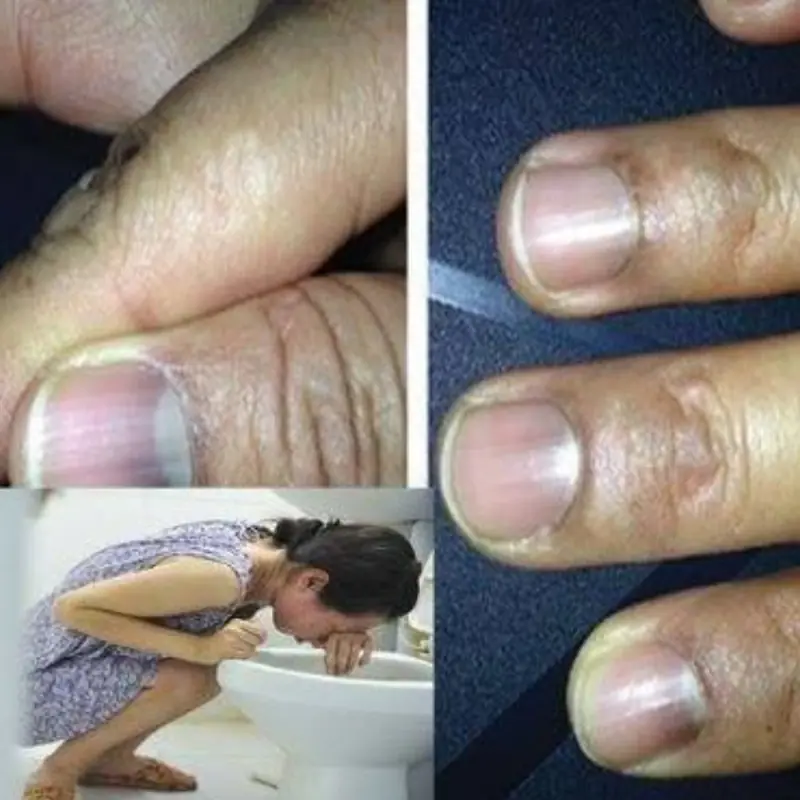
Food poisoning caused by Bacillus cereus is often called “fried rice syndrome”, because rice-based meals are a common trigger. Symptoms can come suddenly and may include:
Nausea and vomiting
Stomach cramps
Diarrhea
Weakness or dehydration
In some cases, symptoms begin within 1 to 6 hours, making it easy for people to blame something else they ate. Most cases are mild, but severe dehydration can be dangerous—especially for children and older adults.

The biggest risk usually comes from these common habits:
If rice stays at room temperature for more than 1–2 hours, bacteria can multiply quickly.
Some people keep warm rice sitting in the rice cooker for hours, thinking it’s “still safe.” But warm temperatures are perfect for bacterial growth.
When rice is placed in a deep container, the inside stays warm longer, giving bacteria more time to spread.
Every time rice is heated, cooled, and reheated again, the chance of toxin buildup increases.
If you want to eat rice safely the next day, follow these simple rules:
Spread rice out on a plate or shallow container so it cools quickly.
Do not leave rice sitting on the counter “until later.”
Store at 4°C (40°F) or below.
Warm it thoroughly until steaming hot, then eat it. Do not cool and reheat again.
The longer it sits, the higher the risk.