Encountering a snake can be an unsettling experience, whether you're hiking through the woods, working in your garden, or simply walking along a trail. Your first instinct may be to identify whether the snake is venomous or harmless. However, wildlife experts agree that your immediate priority should always be staying safe—not trying to identify the snake.
Many venomous and non-venomous snakes look remarkably similar, and relying on common myths about head shape, eye color, or body patterns can be dangerous. Instead of attempting to identify or approach the animal, knowing how to respond calmly can greatly reduce your risk of injury.
Here's what you should know if you ever encounter a snake.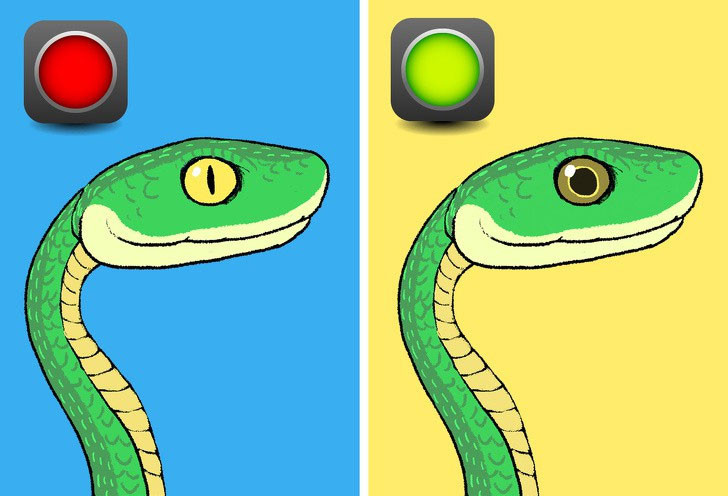
Why Snake Encounters Happen
Snakes are found in a wide variety of environments, including:
-
Forests
-
Grasslands
-
Wetlands
-
Farms
-
Gardens
-
Parks
-
Desert regions
-
Rural and suburban neighborhoods
Most snakes prefer to avoid people and will only defend themselves if they feel threatened.
In many cases, the snake is just as eager to leave as you are.
Why Identification Can Be Difficult
Many people believe they can easily tell whether a snake is venomous.
Unfortunately, this is not always true.
Some harmless snakes closely resemble venomous species, while some venomous snakes have colors and patterns that appear harmless.
Common myths include:
-
Venomous snakes always have triangular heads.
-
Round pupils mean a snake is harmless.
-
Bright colors always indicate venom.
-
Large snakes are always dangerous.
These "rules" are unreliable and vary between species and regions.
For this reason, experts recommend treating every unknown snake with caution.
1. Stay Calm
The first and most important step is to remain calm.
Panicking may cause sudden movements that could startle the snake.
Most snakes bite only when they:
-
Feel cornered
-
Are stepped on
-
Are handled
-
Believe they are under attack
Remaining calm helps you make safer decisions.
2. Keep Your Distance
Give the snake plenty of space.
A good rule is to stay at least several feet (or several meters, if possible) away.
Remember:
-
Some snakes can strike farther than people expect.
-
A snake does not need to be touched to feel threatened.
-
Keeping your distance is the safest choice.
Never attempt to:
-
Pick up the snake
-
Touch it
-
Corner it
-
Throw objects at it
3. Slowly Back Away
Instead of running, move away slowly.
Avoid sudden movements.
Give the snake a clear path to escape.
Most snakes will move away on their own once they no longer feel threatened.
4. Do Not Try to Kill the Snake
Many snake bites occur when people attempt to kill or capture snakes.
Even an injured or recently killed venomous snake may still be capable of biting through reflex actions.
In many regions, snakes also play an important role in local ecosystems and may be legally protected.
If the snake poses a concern, contact the appropriate wildlife or animal control authorities instead.
5. Watch Where You Step
If you are hiking or walking outdoors:
-
Stay on marked trails.
-
Look carefully before stepping over logs or rocks.
-
Avoid placing your hands where you cannot see.
-
Use a flashlight when walking outdoors at night.
Many bites occur because people accidentally step on a snake.
6. Wear Protective Clothing
If you're working in areas where snakes may live, consider wearing:
-
Long pants
-
Closed-toe shoes
-
Hiking boots
-
Thick socks
In areas with high snake activity, protective gaiters may provide additional protection for hikers or field workers.
7. Keep Your Yard Less Attractive to Snakes
Although snakes help control rodents and other pests, you may reduce unwanted encounters around your home by:
-
Keeping grass trimmed
-
Removing piles of wood or debris
-
Storing firewood off the ground
-
Controlling rodent populations
-
Cleaning up fallen fruit
-
Sealing gaps around buildings where appropriate
These steps reduce hiding places for both snakes and their prey.
8. Keep Pets and Children Away
If you see a snake:
-
Bring pets indoors or keep them on a leash.
-
Keep children at a safe distance.
-
Do not allow anyone to investigate the snake.
Curiosity can quickly become dangerous.
What If You Can't Avoid the Snake?
If the snake blocks your path:
-
Stop moving.
-
Give it time to leave.
-
Choose another route if possible.
Never attempt to force the snake to move.
Patience is usually the safest option.
What To Do If Someone Is Bitten
Although many snake bites are caused by non-venomous species, every unknown snake bite should be treated as a medical emergency until evaluated by a healthcare professional.
Do
-
Move away from the snake.
-
Call emergency medical services immediately.
-
Keep the bitten person as calm as possible.
-
Keep the affected limb still and positioned at about heart level unless instructed otherwise by medical professionals.
-
Remove rings, watches, or tight clothing before swelling develops.
-
Seek urgent medical care as quickly as possible.
Do NOT
-
Try to suck out the venom.
-
Cut the wound.
-
Apply ice.
-
Apply electric shocks.
-
Drink alcohol.
-
Attempt to catch the snake.
If it can be done safely, remember the snake's appearance or take a photo from a safe distance—but never risk another bite trying to identify it.
Why Snakes Matter
Although many people fear snakes, they provide important ecological benefits.
Snakes help control populations of:
-
Rats
-
Mice
-
Other small mammals
-
Some insects
This natural pest control benefits both agriculture and local ecosystems.
Most snakes are not aggressive and avoid human contact whenever possible.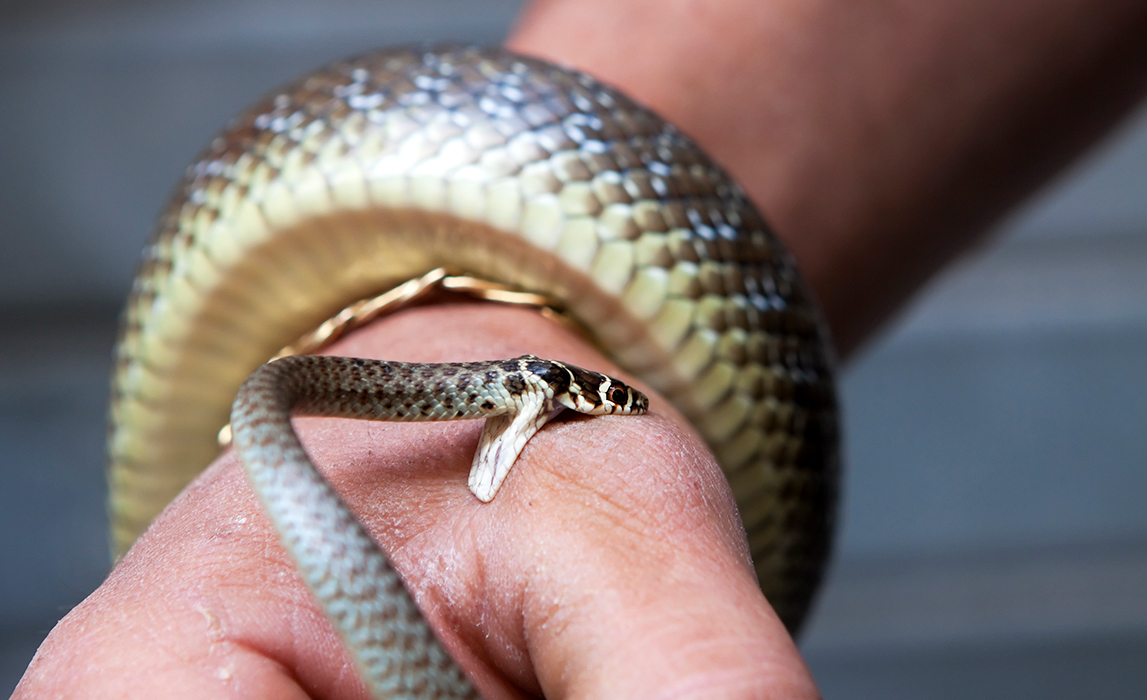
Common Snake Safety Myths
Myth 1: All Snakes Chase People
False.
Most snakes retreat when given the opportunity.
Myth 2: You Can Always Tell If a Snake Is Venomous
False.
Appearance alone is often unreliable.
Professional identification may even be difficult in some cases.
Myth 3: Baby Snakes Are Harmless
False.
Young venomous snakes can also inject venom and should be treated with the same caution as adults.
Myth 4: Killing the Snake Makes You Safer
False.
Attempting to kill a snake greatly increases the risk of being bitten.
Avoiding the snake is almost always the safer choice.
When Should You Call Wildlife Professionals?
Consider contacting local wildlife or animal control services if:
-
A snake enters your home.
-
A snake cannot safely leave the area.
-
The snake is inside a school or workplace.
-
It poses an immediate safety concern.
Allow trained professionals to handle removal whenever possible.
Final Thoughts
If you encounter a snake, your safety should always come before identifying the species. Many snakes are harmless, and even venomous snakes usually prefer to avoid people rather than attack. The safest response is to remain calm, keep your distance, slowly move away, and never attempt to touch, capture, or kill the animal.
Learning basic snake safety is far more valuable than relying on appearance alone. By respecting wildlife, staying alert outdoors, and knowing what to do in the event of a bite, you can greatly reduce your risk while helping protect these important animals and the ecosystems they support.
Remember: when it comes to snakes, distance is your best defense.