A Cancer Warning Sign Often Mistaken for Dandruff — Why Doctors Say You Should Not Ignore It
Flakes on the scalp are common. Most people immediately think of dandruff — a harmless and treatable condition often caused by dry skin or mild irritation. But medical experts warn that in rare cases, persistent scalp symptoms that look like dandruff may signal something far more serious.
The image of white flakes clustered at the scalp, paired with a stark warning, highlights a growing concern among dermatologists: some skin cancers and pre-cancerous conditions can be overlooked because they resemble everyday scalp problems.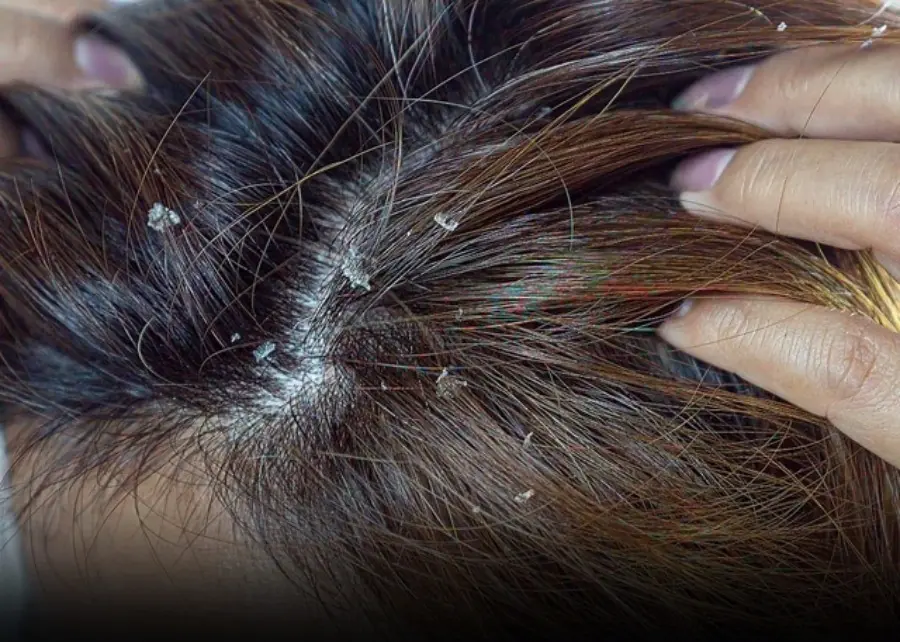
When “Just Dandruff” Doesn’t Go Away
Typical dandruff improves with medicated shampoos, better scalp care, or changes in weather and stress. However, doctors advise paying attention when flakes are accompanied by additional warning signs, such as:
-
Persistent redness or inflammation
-
Thickened, crusted, or scaly patches
-
Bleeding or oozing areas
-
Pain, tenderness, or itching that worsens
-
A lesion that does not heal
When these symptoms persist for weeks or months, they may no longer be simple dandruff.
The Condition Doctors Worry About Most
Dermatologists point to actinic keratosis and certain types of skin cancer, including squamous cell carcinoma, as conditions that can appear on the scalp and mimic dandruff in early stages.
Actinic keratosis is a pre-cancerous lesion caused by long-term sun exposure. It often appears as rough, scaly patches that flake repeatedly and may feel sandpaper-like to the touch.
Left untreated, some of these lesions can progress into cancer.
Why the Scalp Is Often Overlooked
The scalp is one of the most sun-exposed areas of the body, yet it is frequently ignored — especially in people with thinning hair or bald spots.
Hair can hide lesions, delaying detection. Many patients assume flaking is a cosmetic issue rather than a medical one, allowing potentially dangerous changes to go unnoticed.
“People are vigilant about moles on their arms or face,” one dermatologist explains, “but they rarely think about what’s happening on their scalp.”
Dandruff vs. Something More Serious

Doctors emphasize that most dandruff is harmless. The concern is not flakes alone, but flakes that behave differently.
Typical dandruff:
-
Comes and goes
-
Responds to treatment
-
Does not cause pain or bleeding
Concerning scalp changes:
-
Persist despite treatment
-
Become thicker or crusted
-
Bleed or form sores
-
Change in size, color, or texture
If symptoms fall into the second category, medical evaluation is essential.
Who Is at Higher Risk?
Certain groups face a higher risk of scalp skin cancer, including:
-
People with prolonged sun exposure
-
Individuals with fair skin
-
Older adults
-
People with thinning hair or baldness
-
Those with a history of skin cancer
However, doctors caution that no one is immune.
Why Early Detection Matters
When detected early, most scalp cancers are highly treatable. Treatment may involve topical medications, minor surgical procedures, or targeted therapies.
Delayed diagnosis, on the other hand, can allow cancer to spread deeper into tissue, requiring more aggressive treatment and increasing health risks.
Early action saves lives — and often prevents disfigurement.
What Doctors Recommend Instead of Panic
Health professionals strongly advise against self-diagnosis based on images or online claims. Instead, they recommend a calm, informed approach:
-
Monitor scalp changes regularly
-
Use a mirror or ask someone to check hard-to-see areas
-
Seek medical advice if symptoms persist beyond a few weeks
-
Schedule routine dermatology checkups, especially if at higher risk
Seeing a doctor does not mean something is wrong — it means you are being responsible.
Why Awareness Is Important — But Fear Is Not
The message behind images like this is not meant to frighten, but to encourage attention.
Skin cancer is one of the most preventable and treatable cancers when caught early. Awareness leads to action, and action leads to better outcomes.
Ignoring symptoms out of fear or embarrassment is what allows problems to grow.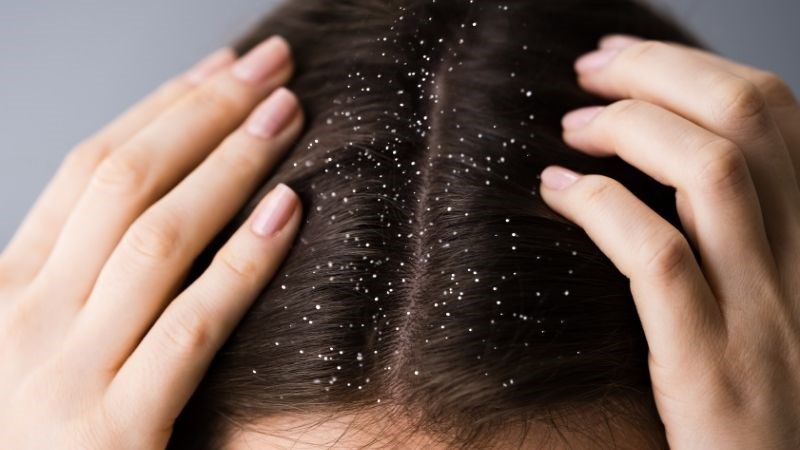
The Bottom Line
Most dandruff is harmless.
Some scalp conditions are not.
Knowing the difference — and acting when something feels wrong — can make a critical difference.
If your scalp symptoms persist, change, or worsen, doctors urge you not to ignore them any longer. A simple check could provide reassurance — or catch something early, when treatment is most effective.
For any ongoing scalp condition that does not improve with standard care, medical professionals recommend consulting a qualified dermatologist rather than relying on online advice.