Tips for Growing Ginger at Home for Big, Fat Roots That Can Be Eaten All Year Round
Ginger is one of the most useful plants to grow at home. It is easy to care for, highly productive, and valuable for both cooking and health. When grown correctly, homegrown ginger can produce large, plump rhizomes with stronger flavor and better freshness than store-bought ones.
Many people try growing ginger but end up with thin, small roots. The reason is not bad luck—it is usually incorrect planting, soil, or care methods. With the right approach, ginger can thrive in pots or gardens and be harvested year-round.
Why Ginger Is Perfect for Home Growing
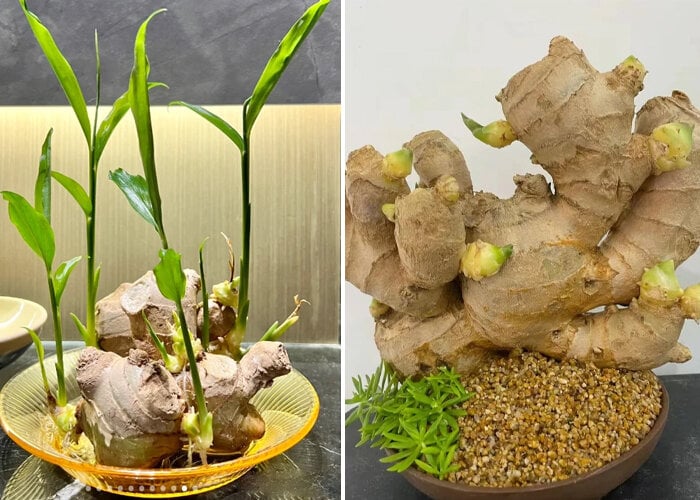
Ginger grows from rhizomes (underground stems), not seeds. This makes it:
-
Easy to propagate
-
Adaptable to containers
-
Harvestable in stages
Once established, ginger continues growing for months, allowing partial harvesting without killing the plant.
1. Choose the Right Ginger Rhizome
The quality of the starting ginger determines the quality of the harvest.
When selecting ginger:
-
Choose fresh, firm rhizomes
-
Look for multiple “eyes” or buds
-
Avoid shriveled or moldy pieces
Organic ginger is often better because it is less likely to be treated with growth inhibitors, which can slow or stop sprouting.
Before planting, soak the rhizome in warm water for a few hours to encourage faster growth.
2. Use Loose, Nutrient-Rich Soil
Soil quality is the most important factor for producing big, fat ginger roots.
Ginger needs:
-
Loose, well-draining soil
-
High organic matter
-
Good aeration
A good soil mix includes:
-
Garden soil or potting mix
-
Compost or well-rotted manure
-
A small amount of sand or coco coir
Heavy, compacted soil restricts rhizome expansion and results in small roots.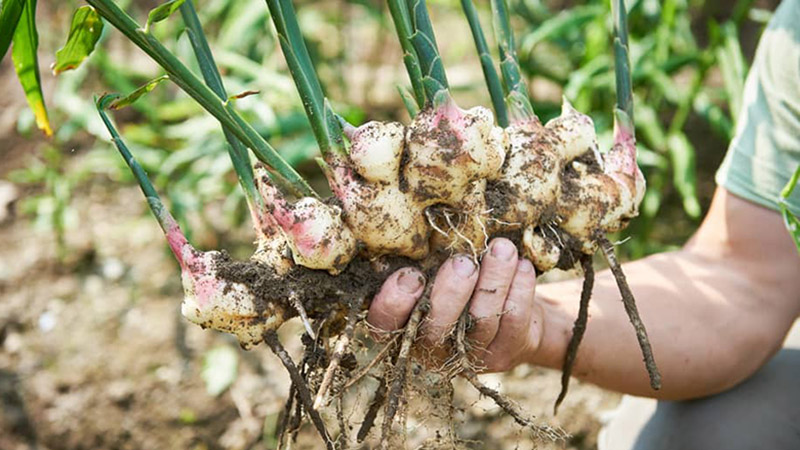
3. Plant Shallow and Give Space
Ginger rhizomes should be planted horizontally, not buried too deep.
Proper planting method:
-
Depth: about 3–5 cm (1–2 inches)
-
Buds facing upward
-
Spacing: at least 20–25 cm between plants
Shallow planting allows the rhizomes to expand freely and form thick clusters, rather than growing downward into tight spaces.
4. Provide Warmth and Indirect Sunlight
Ginger is a tropical plant that loves warmth.
Ideal conditions include:
-
Temperature between 22–30°C (72–86°F)
-
Bright, indirect sunlight
-
Protection from strong wind
Direct, intense sun can scorch leaves, while cold temperatures slow growth. For colder climates, container growing allows plants to be moved indoors during cooler months.
5. Water Consistently, But Do Not Overwater
Water management directly affects root size and quality.
Best watering practices:
-
Keep soil consistently moist
-
Avoid waterlogged conditions
-
Ensure good drainage
Overwatering causes root rot, while underwatering results in dry, fibrous rhizomes. Balanced moisture encourages smooth, plump ginger roots.
6. Feed Regularly for Bigger Roots
Ginger is a heavy feeder. To grow large rhizomes, nutrients must be replenished regularly.
Recommended feeding:
-
Compost or organic fertilizer every 3–4 weeks
-
Potassium-rich fertilizers to promote root growth
-
Avoid excessive nitrogen, which causes leafy growth instead of root expansion
Mulching with compost or dried leaves also helps retain moisture and enrich the soil naturally.
7. Harvest Gradually for Year-Round Use
One major advantage of growing ginger at home is continuous harvesting.
Harvesting tips:
-
Young ginger can be harvested after 4–5 months
-
Mature ginger is ready after 8–10 months
-
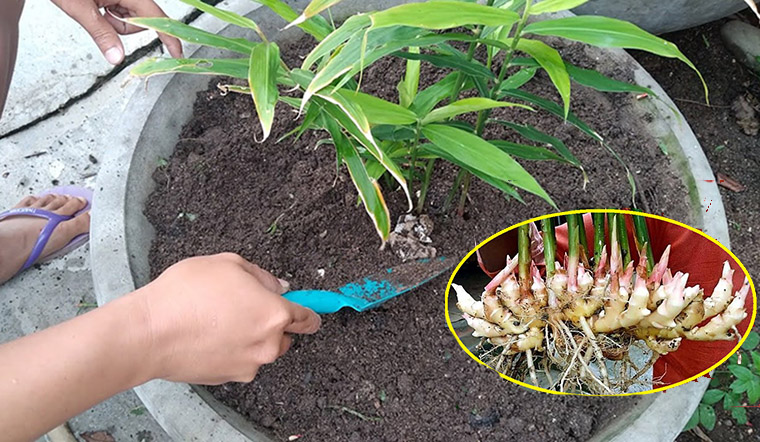
Gently dig around the edges and cut what is needed
-
Leave the rest of the plant intact
This method allows fresh ginger to be available year-round without replanting.
Common Mistakes to Avoid
To ensure big, healthy roots, avoid:
-
Planting in heavy clay soil
-
Overwatering or poor drainage
-
Too much direct sunlight
-
Harvesting too early or too aggressively
Patience and consistency make a noticeable difference.
Final Thought
Growing ginger at home is simple, rewarding, and cost-effective. With the right soil, spacing, warmth, and care, ginger plants will produce large, fat rhizomes that can be harvested whenever needed.
Instead of relying on store-bought ginger, a single pot or garden bed can provide fresh, flavorful ginger all year long. Small changes in growing methods can lead to dramatically better results—and a much more satisfying harvest.