Kidney Failure Is Often Silent — Here’s What You Should Remember to Help Prevent It
The kidneys play a crucial role in keeping the body healthy. These small, bean-shaped organs filter waste products from the blood, regulate fluid balance, control electrolytes, and help maintain healthy blood pressure. Despite their importance, kidney disease often develops quietly, without obvious symptoms during its early stages.
Because the kidneys can continue functioning even when partially damaged, many people do not realize there is a problem until the disease has progressed significantly. This is why healthcare professionals often describe kidney failure as a “silent condition.”
Understanding how kidney disease develops and learning ways to support kidney health may help reduce the risk of serious complications later in life.


Why Kidney Disease Is Often Hard to Detect
The kidneys have a remarkable ability to adapt and compensate for damage. Even when kidney function begins to decline, the remaining healthy tissue can continue filtering waste effectively for a long time.
As a result, early kidney disease may produce very few noticeable symptoms. When symptoms do appear, they may be mistaken for other common health issues.
Possible signs of kidney problems can include:
-
Fatigue and weakness
-
Swelling in the legs or ankles
-
Changes in urination
-
Persistent itching
-
Difficulty concentrating
Because these symptoms are not always obvious, regular health checkups and laboratory tests play an important role in detecting kidney disease early.
Major Risk Factors for Kidney Disease
Certain conditions and lifestyle factors can increase the risk of developing kidney problems.
Common risk factors include:
High blood pressure
High blood pressure can damage the delicate blood vessels in the kidneys over time.
Diabetes
High blood sugar levels can harm the kidneys’ filtering units, known as nephrons.
Excessive salt intake
Consuming large amounts of sodium may strain kidney function.
Dehydration
Not drinking enough water may affect how effectively the kidneys remove waste.
Long-term medication use
Certain medications, when used excessively, may impact kidney health.
Understanding these risk factors can help individuals take preventive steps earlier.


Important Habits That May Help Protect Kidney Health
While some kidney conditions are caused by genetics or infections, lifestyle choices play a major role in maintaining healthy kidneys.
Here are several habits commonly recommended by healthcare professionals.
1. Stay Well Hydrated
Water helps the kidneys flush out toxins and waste products through urine. Drinking adequate water throughout the day supports normal kidney function.
However, hydration needs can vary depending on age, activity level, and climate.
2. Maintain Healthy Blood Pressure
High blood pressure is one of the leading causes of kidney damage. Maintaining a balanced diet, reducing sodium intake, exercising regularly, and managing stress may help keep blood pressure within a healthy range.
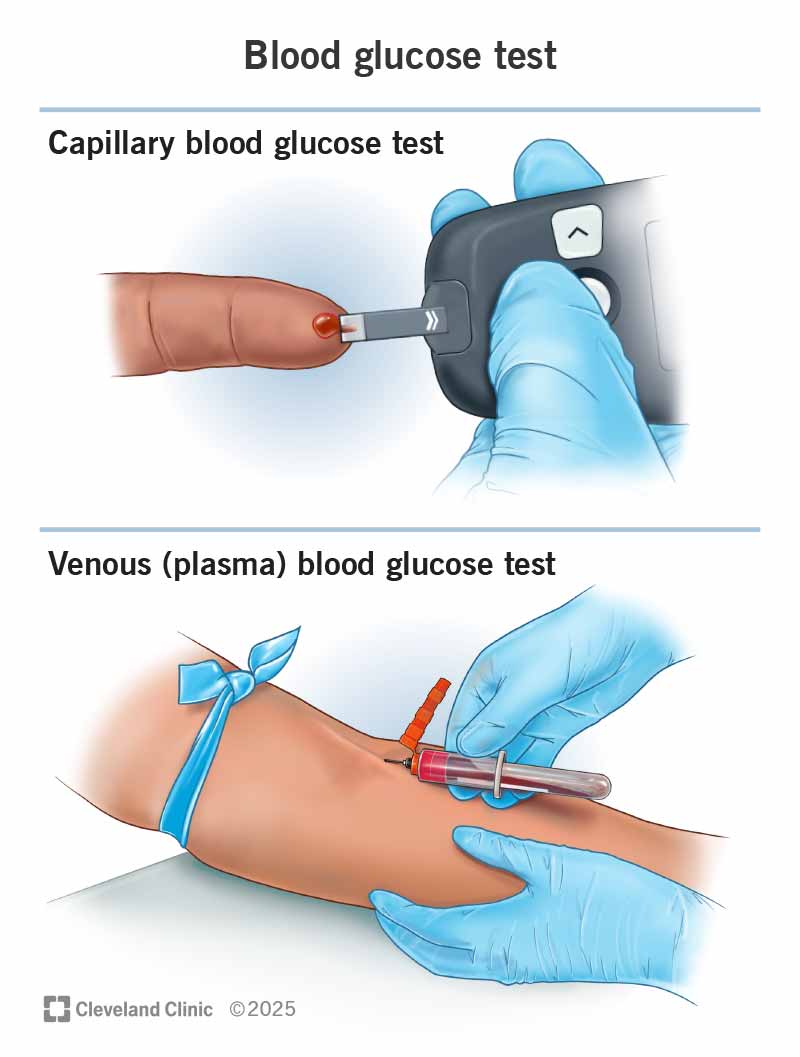
3. Control Blood Sugar Levels
For individuals with diabetes or prediabetes, managing blood sugar levels is essential. Uncontrolled blood sugar can gradually damage kidney filtration units.
Healthy eating habits, physical activity, and medical guidance can help maintain proper glucose levels.



4. Eat a Balanced Diet
A diet rich in fruits, vegetables, whole grains, and lean protein may support overall health and reduce strain on the kidneys.
Limiting excessive salt, processed foods, and sugary drinks may also be beneficial.
5. Exercise Regularly
Regular physical activity helps maintain healthy blood pressure, supports circulation, and improves overall metabolic health.
Activities such as walking, swimming, cycling, or light strength training may contribute to long-term wellness.
6. Get Regular Health Checkups
Routine blood and urine tests can help detect kidney problems before symptoms appear. Early detection often allows for more effective treatment and management.
Why Prevention Matters
Chronic kidney disease can progress slowly over many years. If detected early, lifestyle changes and medical care may help slow its progression and preserve kidney function.
However, when kidney disease advances to kidney failure, the body can no longer filter waste effectively. In severe cases, treatments such as dialysis or kidney transplantation may become necessary.
Preventive care and awareness can significantly reduce the risk of reaching these advanced stages.
Final Thoughts
Kidney failure rarely develops overnight. It is often the result of gradual damage that occurs silently over time. Because early symptoms may be subtle, paying attention to risk factors and maintaining healthy habits is essential.
Simple steps—such as staying hydrated, maintaining balanced nutrition, controlling blood pressure and blood sugar, and attending regular health screenings—can help support kidney health for years to come.
Listening to the body, adopting healthy lifestyle habits, and seeking medical advice when necessary remain the most effective strategies for protecting long-term kidney function.