10 Early Warning Signs Your Liver May Be in Trouble (Don’t Ignore These Signals)
The liver is one of the most vital organs in the human body. It performs hundreds of important functions, including filtering toxins from the blood, aiding digestion, producing essential proteins, and regulating metabolism. Because the liver works quietly behind the scenes, many people do not notice when something begins to go wrong.
Unfortunately, liver problems often develop gradually, and early symptoms may be subtle or easy to overlook. Paying attention to these early warning signs can help individuals seek medical advice before serious complications occur.
Below are ten possible early warning signs that your liver may be struggling.


1. Persistent Itching of the Skin
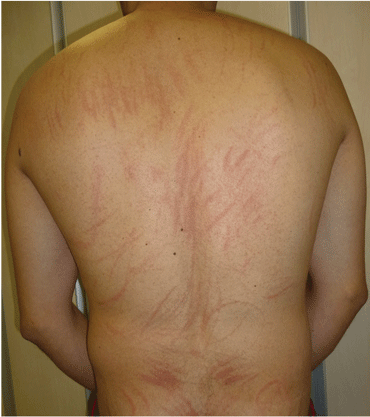
Chronic itching, especially without an obvious cause, may be linked to liver dysfunction. When the liver cannot properly process certain substances, bile salts may accumulate in the bloodstream. This buildup can lead to intense itching on the skin, particularly on the arms, legs, or back.
The itching may worsen at night and may not respond well to typical skin treatments.
2. Unexplained Fatigue
Feeling tired after a long day is normal, but persistent fatigue that does not improve with rest may sometimes signal liver problems.
When the liver is under stress, the body may struggle to process nutrients and remove toxins efficiently. This imbalance can lead to constant exhaustion, weakness, and reduced physical energy.
3. Yellowing of the Skin or Eyes
One of the most recognizable signs of liver trouble is jaundice, a condition that causes the skin and the whites of the eyes to turn yellow.
This happens when bilirubin—a substance produced when red blood cells break down—accumulates in the body because the liver cannot process it properly.
Jaundice should always be evaluated by a healthcare professional.


4. Swelling in the Legs or Feet
Fluid retention is another possible sign of liver dysfunction. When liver function declines, the body may struggle to regulate fluid balance, leading to swelling in the legs, ankles, or feet.
This swelling may become more noticeable at the end of the day or after standing for long periods.
5. Pain or Discomfort in the Upper Abdomen
The liver is located in the upper right portion of the abdomen. When the liver becomes inflamed or enlarged, some people may experience:
-
Dull pain
-
Pressure under the ribs
-
General discomfort in the upper abdomen
Although not all liver conditions cause pain, persistent discomfort should be evaluated.
6. Dark Urine
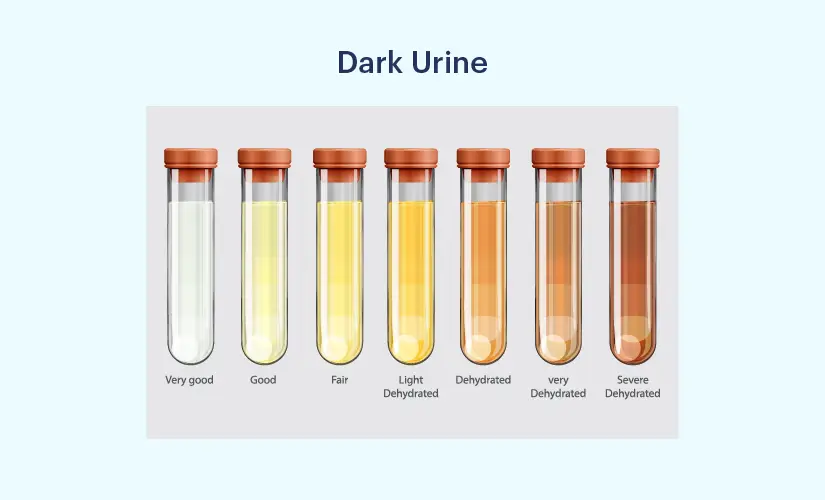
Changes in urine color may sometimes reflect liver issues. When bilirubin levels increase in the bloodstream, urine may appear dark yellow, brown, or tea-colored.
If dark urine appears without dehydration or dietary changes, it may require medical attention.


7. Pale or Clay-Colored Stools
Healthy bile flow helps give stool its normal brown color. If bile production or flow is disrupted due to liver problems, stools may become pale, gray, or clay-colored.
Changes in stool color that persist over time should be discussed with a healthcare professional.
8. Loss of Appetite
Liver dysfunction may affect digestion and appetite. Many individuals with liver problems report:
-
Reduced appetite
-
Feeling full quickly
-
Unexplained weight loss
These symptoms may develop gradually and may be mistaken for general digestive issues.
9. Easy Bruising
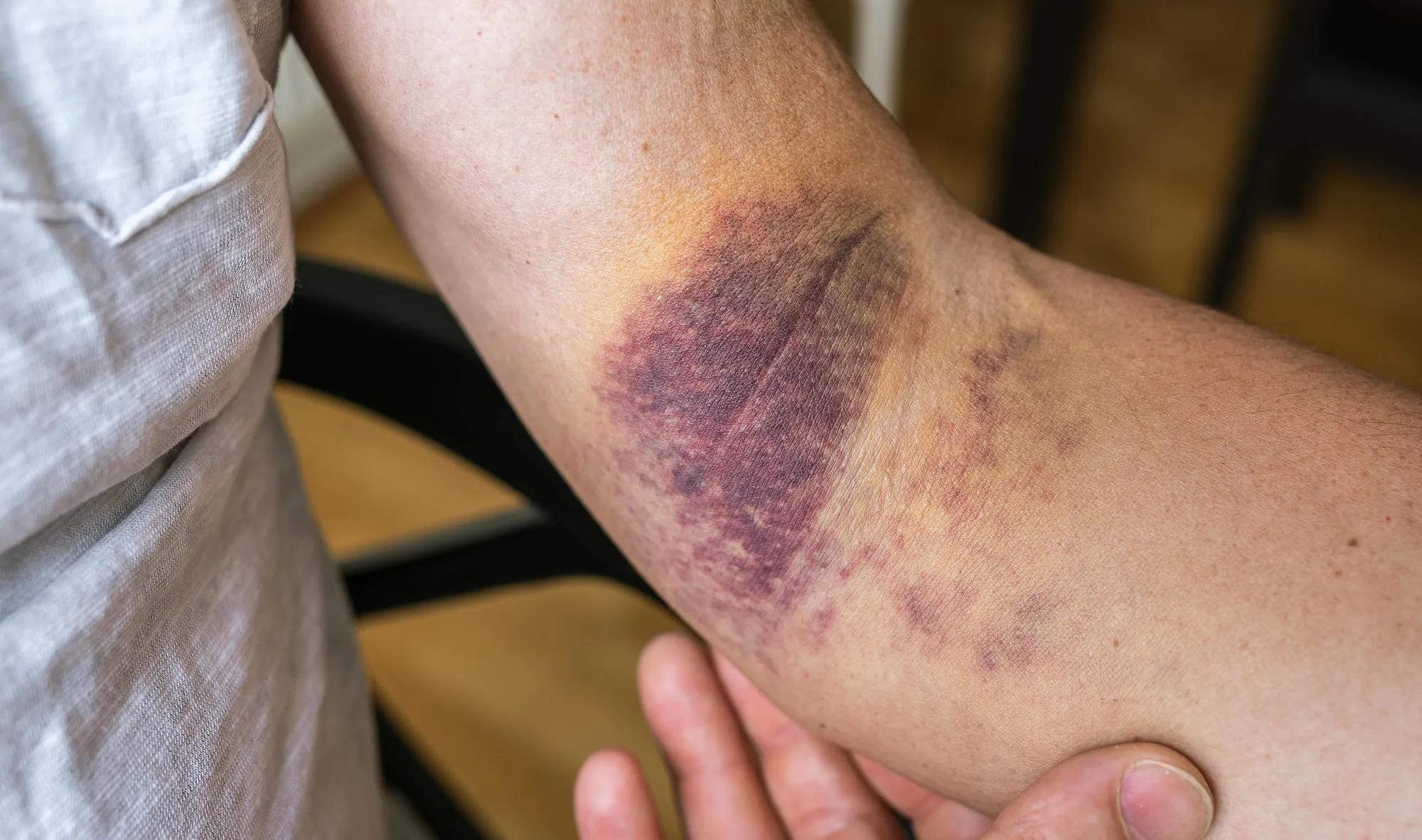
The liver produces proteins necessary for blood clotting. When liver function declines, these proteins may decrease, making the body more prone to bruising or bleeding easily.
Small bumps or minor injuries may lead to noticeable bruises.


10. Swelling or Bloating in the Abdomen
Advanced liver problems can lead to fluid accumulation in the abdomen, a condition known as ascites. This may cause visible swelling or a feeling of tightness in the stomach.
People may notice:
-
Abdominal enlargement
-
Shortness of breath due to pressure
-
Discomfort while sitting or lying down
Medical evaluation is important if abdominal swelling occurs.
How to Support Liver Health
Although some liver diseases are caused by infections or genetic factors, lifestyle choices play a significant role in liver health.
Helpful habits include:
-
Maintaining a balanced diet
-
Limiting alcohol consumption
-
Staying physically active
-
Maintaining a healthy body weight
-
Avoiding unnecessary medications or toxins
Regular medical checkups and blood tests can also help detect liver problems early.
Final Thoughts
The liver performs critical functions that keep the body healthy and balanced. Unfortunately, liver disease can progress quietly, with symptoms appearing only after significant damage has occurred.
Recognizing early warning signs—such as persistent itching, fatigue, swelling, or changes in urine or stool—can help individuals seek medical advice sooner.
Listening to the body’s signals and maintaining healthy habits can go a long way toward protecting liver function and overall well-being.