Nasopharyngeal cancer (NPC) isn’t something people casually talk about. It doesn’t trend on social media, it doesn’t come with dramatic early pain, and it rarely announces itself loudly. In fact, NPC is one of those conditions that often stays hidden - sometimes for months - disguised as “nothing serious.”
And that’s exactly what makes it dangerous.
The truth is simple but powerful: early awareness saves lives.
When nasopharyngeal cancer is detected early, treatment outcomes improve dramatically. But when symptoms are ignored or brushed aside, the disease can progress silently. Understanding what NPC is, how it shows up, and how to reduce your risk can make all the difference.
This guide walks you through everything you truly need to know - without panic, without exaggeration, and with practical clarity.
What Is Nasopharyngeal Cancer (NPC)?
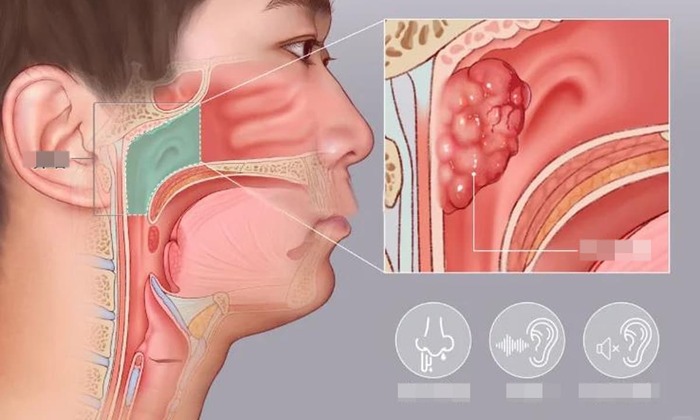
Nasopharyngeal cancer begins in the nasopharynx, the upper part of the throat located behind the nose and above the roof of the mouth. This area plays a critical role in breathing, swallowing, sinus drainage, and ear pressure regulation.
NPC occurs when abnormal cells in this region grow uncontrollably and form a tumor.
What makes NPC especially tricky is its location. The nasopharynx sits deep inside the head, hidden from plain sight. Tumors can grow quietly for a long time before obvious symptoms appear.
Where Is NPC Most Common - and Who Is at Higher Risk?
NPC is relatively rare globally, but it occurs more frequently in certain regions and populations:
-
Southeast Asia
-
Southern China
-
Hong Kong
-
Singapore
-
Vietnam
-
The Middle East
-
North Africa
People of East and Southeast Asian ancestry have a higher genetic and environmental risk. This doesn’t mean NPC is inevitable - it simply means awareness matters more.
Why Nasopharyngeal Can.cer Is Often Missed Early
NPC is often mistaken for everyday issues like:
-
Allergies
-
Sinus infections
-
Ear infections
-
The common cold
Early symptoms are usually mild, vague, and easy to dismiss. Because they don’t feel urgent, many people delay seeing a doctor - sometimes for months.
NPC doesn’t shout at first. It whispers.
That’s why persistence and pattern recognition are key.
Warning Signs That Deserve Attention
These symptoms do not automatically mean cancer. However, if they last longer than 3–4 weeks, especially on one side of the body, they should be checked.
1. A Persistent Lump in the Neck
This is the most common presenting symptom of NPC.
-
Usually painless
-
Often firm
-
Typically appears on one side
-
May grow slowly or rapidly
Because NPC spreads early to lymph nodes, a neck lump is often the first visible sign.
Any neck lump lasting more than two weeks should be evaluated.
2. One-Sided Nasal Problems
NPC often blocks one side of the nasopharynx, causing uneven symptoms such as:
-
Chronic nasal blockage on one side
-
Recurrent nosebleeds
-
Blood-tinged nasal mucus
-
Persistent postnasal drip
-
Difficulty breathing through one nostril
One-sided symptoms that don’t resolve are a red flag.
3. Ear Symptoms (Especially in Adults)
Because the nasopharynx sits near the Eustachian tube, tumors can interfere with ear pressure.
Watch for:
-
Hearing loss in one ear
-
Ringing (tinnitus)
-
Feeling of fullness or blockage
-
Fluid in the ear
-
Recurrent ear infections in adults
Adult ear infections are uncommon and should always be investigated.
4. Headaches and Facial Pressure
NPC-related headaches often feel:
-
Deep
-
One-sided
-
Located behind the eyes
-
Different from tension headaches
They may worsen over time or resist typical pain relievers.
5. Throat and Voice Changes
These may include:
-
Persistent sore throat
-
Difficulty swallowing
-
Sensation of something stuck
-
Hoarse or nasal-sounding voice
-
Chronic throat irritation
6. Facial Numbness or Vision Changes (Later Sign)
In advanced cases, NPC may press on cranial nerves, leading to:
-
Facial numbness or tingling
-
Drooping eyelids
-
Blurred or double vision
These symptoms require urgent medical evaluation.
Why These Symptoms Happen
NPC affects airflow, drainage pathways, lymph nodes, and nerve structures - so symptoms appear scattered and unrelated at first.
| Symptom | Underlying Cause |
|---|---|
| Neck lump | Lymph node spread |
| Ear blockage | Eustachian tube compression |
| One-sided nasal symptoms | Tumor obstruction |
| Headache | Nerve pressure |
| Facial numbness | Cranial nerve involvement |
| Bleeding | Fragile irritated tissues |
The key clue is persistence and asymmetry.
When You Should Get Checked
See an ENT specialist if:
-
Symptoms last more than 3 weeks
-
Problems affect only one side
-
A neck lump appears
-
Adult ear infections recur
-
Nosebleeds are frequent or unusual
Common diagnostic tools include:
-
Nasal endoscopy
-
MRI or CT scan
-
Epstein–Barr virus (EBV) blood tests
-
Biopsy if necessary
Early testing is quick, safe, and often reassuring.
What Happens If NPC Is Found Early?
The outlook is very encouraging.
NPC responds well to:
-
Radiation therapy
-
Chemotherapy
-
Combined treatments
Early-stage NPC has significantly higher survival rates and fewer complications. Late detection is still treatable but early detection always improves outcomes.
How to Reduce Your Risk of Nasopharyngeal Cancer
While no method guarantees prevention, these evidence-based strategies can substantially lower risk.
1. Limit Salted and Preserved Foods
Strongly linked foods include:
-
Salted fish
-
Cured meats
-
Preserved and fermented products high in nitrosamines
Choose fresh, minimally processed foods whenever possible.
2. Eat Antioxidant-Rich Foods
Protective foods include:
-
Citrus fruits
-
Leafy greens
-
Berries
-
Carrots
-
Broccoli
-
Garlic and onions
These reduce inflammation and support cellular repair.
3. Know Your Family History
If NPC runs in your family:
-
Consider periodic screening
-
Be vigilant with symptoms
-
Avoid high-risk foods
4. Support Immune Health (EBV Control)
NPC is strongly associated with Epstein–Barr virus.
Reduce viral reactivation by:
-
Sleeping adequately
-
Managing stress
-
Eating balanced meals
-
Avoiding shared utensils or drinks
-
Staying physically active
5. Avoid Smoking and Secondhand Smoke
Smoking irritates the nasopharynx and dramatically increases risk.
Every reduction helps.
6. Protect Yourself From Poor Air Quality
-
Use air purifiers
-
Wear masks in polluted environments
-
Improve indoor ventilation
7. Maintain Overall Health
Daily habits matter:
-
Regular movement
-
Hydration
-
Stress reduction
-
Consistent sleep
A strong body defends itself better.
8. Never Ignore Persistent Symptoms
NPC thrives on delay. Listening to your body is not overreacting - it’s preventive care.
Why People Delay Seeing a Doctor
Common reasons:
-
Fear
-
Busy schedules
-
Minimizing symptoms
-
Worry about diagnosis
But early evaluation prevents problems - it doesn’t create them.
Final Thoughts
Nasopharyngeal cancer is quiet, but not invisible. Your body gives signs - it just asks you to pay attention.
This isn’t about fear. It’s about awareness, confidence, and self-respect.
Health is not an interruption to life. It’s the foundation that lets life continue.
Listening early is strength. Checking early is wisdom. Protecting your health is always worth it.