Common milkweed is a native North American plant best known as the primary host for monarch butterflies. While often considered a wild roadside plant, common milkweed has a long history of traditional use — both as a seasonal wild food (when properly prepared) and in herbal practices.
However, milkweed is also a plant that demands respect. It contains biologically active compounds that can be harmful if consumed improperly. Understanding both its potential benefits and its safety limitations is essential.
This article explores the nutritional aspects, traditional uses, and important safety warnings associated with common milkweed.
Botanical Overview
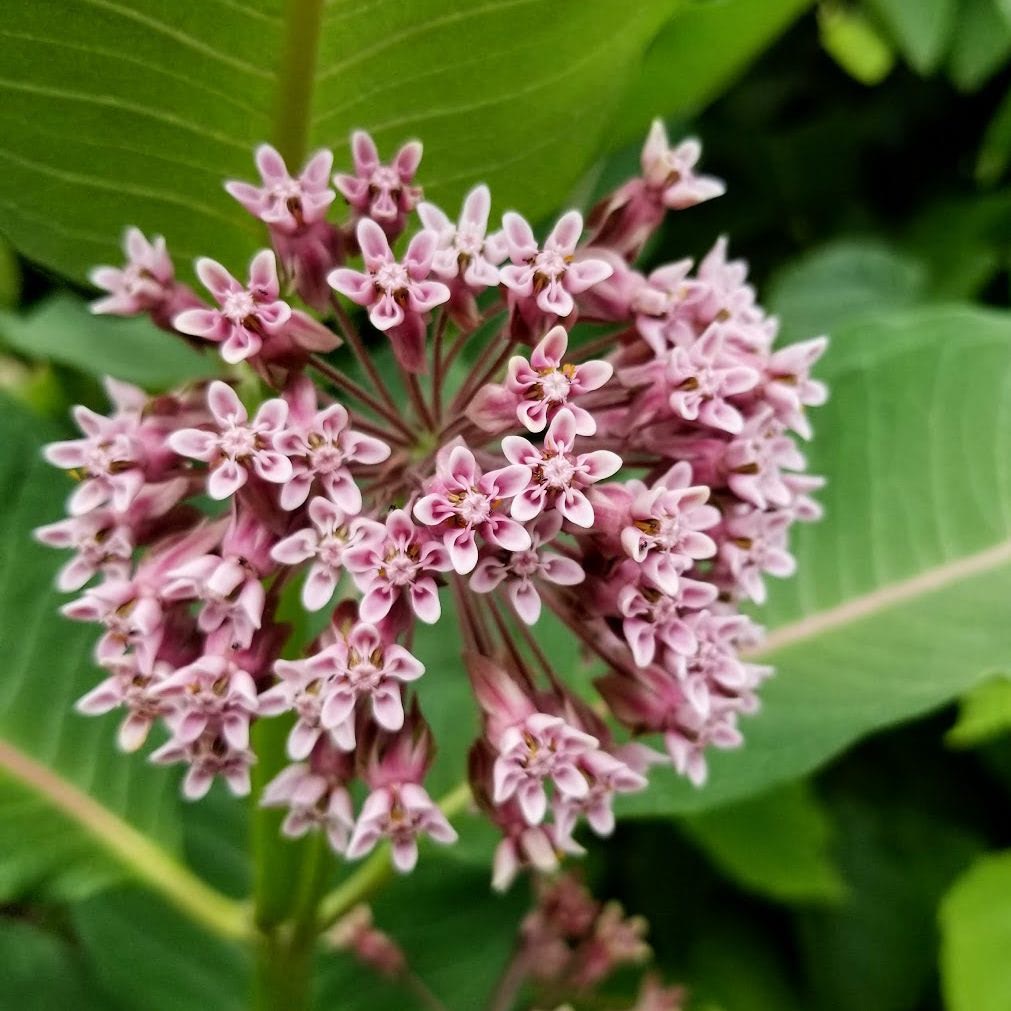
Common milkweed is a perennial plant characterized by:
-
Broad, oval-shaped leaves
-
Clusters of pinkish-purple star-shaped flowers
-
Thick stems that release a milky latex sap when broken
-
Large seed pods filled with silky fibers
It grows widely across fields, roadsides, and open landscapes in temperate regions.
Nutritional Potential (When Properly Prepared)
Certain parts of common milkweed — especially young shoots, buds, and immature pods — have been traditionally consumed as seasonal wild vegetables after specific preparation steps.
When correctly harvested and cooked, milkweed may provide:
-
Dietary fiber
-
Vitamin C
-
Small amounts of vitamin A
-
Plant-based antioxidants
-
Trace minerals
Like many wild greens, its nutritional value is highest when young and tender.
Important: Proper preparation is essential to reduce naturally occurring toxic compounds.
Traditional Uses
Historically, various Indigenous communities and early settlers used milkweed for:
-
Cooked spring vegetables (young shoots)
-
Boiled flower buds (prepared similarly to broccoli)
-
Immature pods as a vegetable substitute
-
Fibers from seed floss for insulation and stuffing
In some traditional herbal systems, milkweed extracts were used cautiously for specific purposes, including respiratory or topical applications. However, such uses require specialized knowledge.
Potential Health-Related Properties
Although modern clinical research on common milkweed is limited, the plant contains several bioactive compounds that contribute to its biological activity.
These include:
-
Cardiac glycosides
-
Flavonoids
-
Alkaloids
-
Triterpenoids
Some laboratory studies on related milkweed species suggest antioxidant and anti-inflammatory properties. However, these findings do not automatically translate to safe or effective human consumption.
The plant’s chemical complexity is precisely why safety precautions are critical.
The Role of Cardiac Glycosides
One of the most important aspects of common milkweed is its content of cardiac glycosides.
Cardiac glycosides are naturally occurring compounds that affect heart muscle function. In controlled pharmaceutical contexts, similar compounds (such as digitalis-derived medications) are used to treat certain heart conditions.
However, in uncontrolled amounts, cardiac glycosides can be toxic.
Potential symptoms of toxicity include:
-
Nausea
-
Vomiting
-
Dizziness
-
Irregular heartbeat
-
Weakness
This is why milkweed must never be consumed raw and should only be harvested with accurate plant identification.

Proper Preparation for Edible Use
For those knowledgeable in wild foraging, safe preparation typically involves:
-
Harvesting only young shoots or unopened flower buds
-
Boiling in water
-
Draining the water
-
Reboiling in fresh water
This double-boiling process helps reduce bitterness and lowers concentrations of certain toxic compounds.
However, even experienced foragers recommend caution.
Never consume milkweed without verified identification and preparation knowledge.
Common Misidentification Risks
Milkweed species can sometimes be confused with other plants that are significantly more toxic.
For example:
-
Dogbane species resemble milkweed but are highly toxic.
-
Other look-alike plants may lack safe edible preparation traditions.
Accurate botanical identification is essential before considering any wild plant consumption.
Who Should Avoid Milkweed Entirely
Certain individuals should not experiment with milkweed consumption:
-
Pregnant or breastfeeding individuals
-
People with heart conditions
-
Individuals taking cardiac medications
-
Children
-
Anyone unfamiliar with proper foraging techniques
Even small miscalculations in preparation could cause adverse effects.
Ecological Importance
Beyond human use, common milkweed plays a critical ecological role.
It is the primary host plant for monarch butterfly larvae. Monarch caterpillars feed exclusively on milkweed leaves, absorbing cardiac glycosides that make them unpalatable to predators.
Because monarch populations have declined in recent decades, milkweed cultivation is often encouraged for conservation purposes.
In many cases, supporting pollinators may be a more valuable contribution than harvesting the plant.
Balancing Curiosity with Caution
Wild edible plants often spark interest due to their novelty and traditional roots. However, natural origin does not equal safety.
Milkweed represents a plant with:
-
Historical edible use (with strict preparation)
-
Biologically active compounds
-
Potential toxicity if mishandled
-
Ecological importance
Approaching it responsibly means understanding both sides of the equation.
Final Thoughts
Common milkweed (Asclepias syriaca) is more than a wildflower. It holds cultural history, ecological value, and carefully managed culinary potential.
However, it is not a casual food source.
Its bioactive compounds — particularly cardiac glycosides — require careful preparation and respect. Without proper knowledge, consumption may pose real health risks.
Exploring wild plants can be rewarding, but informed caution is essential.
In the case of common milkweed, awareness is just as important as curiosity.