6 Nighttime Warning Signs of Diabetes You Shouldn’t Ignore
Diabetes often develops gradually. In its early stages, symptoms can be subtle — and many of them become more noticeable at night. If you find that certain discomforts consistently disrupt your sleep, your body may be signaling blood sugar imbalance.
Here are six nighttime warning signs that may be associated with diabetes — and what they mean.
1. Frequent Urination at Night (Nocturia)



If you wake up multiple times to urinate, especially without drinking excessive fluids before bed, high blood sugar may be the cause.
When glucose levels rise, the kidneys work harder to filter and remove excess sugar through urine. This pulls more water into the urine, increasing frequency.
Occasional nighttime urination is normal. Persistent, unexplained episodes are worth checking.
2. Excessive Thirst at Night


Increased urination leads to fluid loss, which triggers intense thirst — even during the night.
If you find yourself waking up with:
-
Dry mouth
-
Urgent need for water
-
Ongoing nighttime thirst
it may reflect elevated blood glucose levels.
3. Night Sweats


Sweating during sleep can sometimes be linked to low blood sugar (hypoglycemia), particularly in people already diagnosed with diabetes and taking medication.
When blood sugar drops too low overnight, the body releases stress hormones, which may cause:
-
Sweating
-
Rapid heartbeat
-
Restlessness
-
Nightmares
Unexplained recurrent night sweats deserve attention.
4. Tingling or Burning Sensation in Feet



Peripheral neuropathy — nerve damage caused by prolonged high blood sugar — often worsens at night.
Symptoms include:
-
Burning pain
-
Tingling
-
Numbness
-
Electric-like sensations
These symptoms frequently disrupt sleep.
5. Restless or Poor-Quality Sleep
Blood sugar fluctuations can interfere with sleep cycles.
People with uncontrolled diabetes may experience:
-
Difficulty falling asleep
-
Frequent awakenings
-
Feeling unrefreshed in the morning
High or low glucose levels can both contribute to disturbed rest.
6. Sudden Hunger at Night

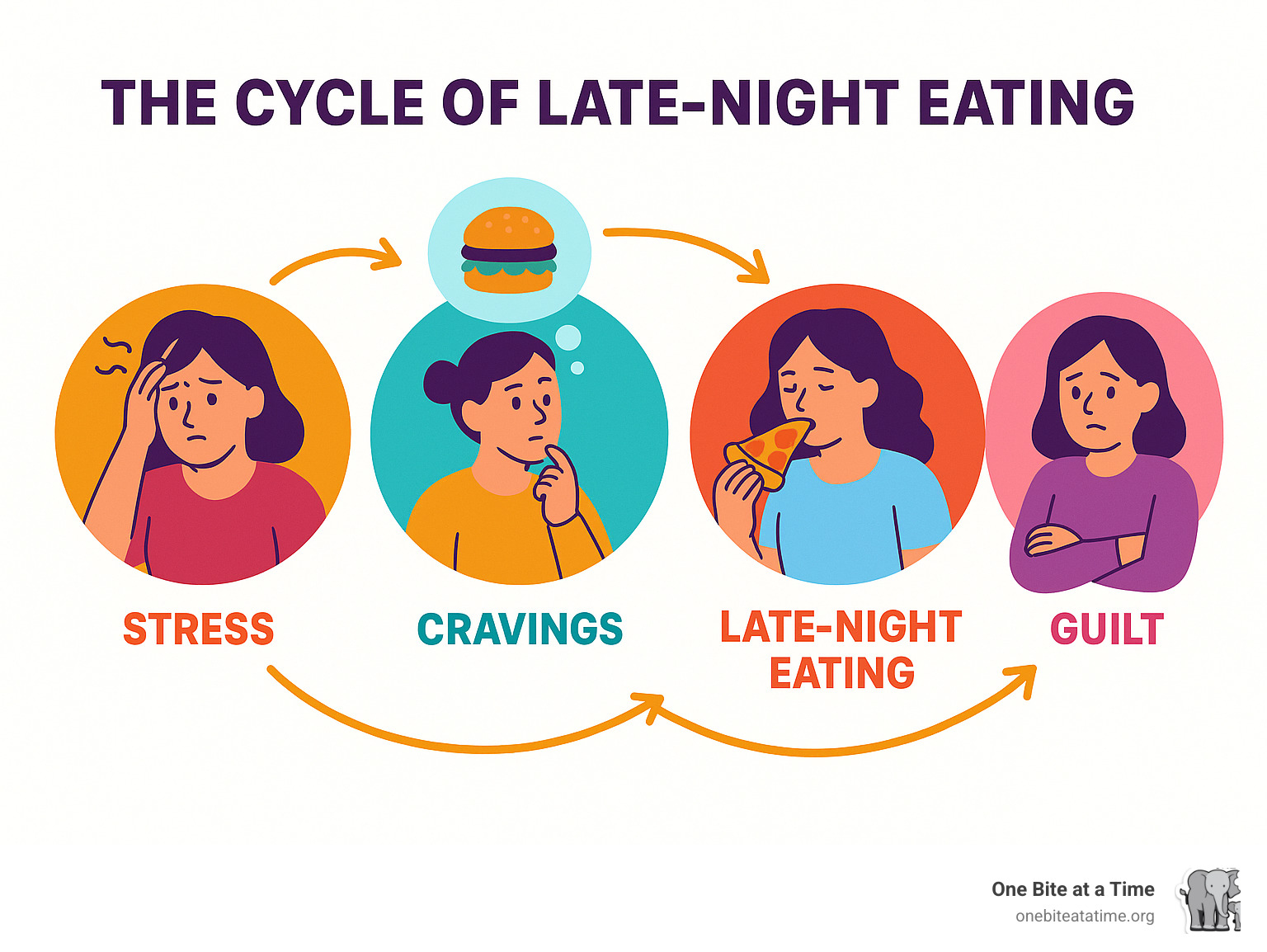

If blood sugar drops suddenly, the body signals hunger as a protective response.
Waking up with intense cravings — especially accompanied by sweating or shakiness — may indicate nighttime hypoglycemia.
Why Do These Symptoms Happen at Night?
At night:
-
Hormone levels shift
-
The body is fasting
-
Blood sugar regulation changes
In people with insulin resistance or diabetes, these changes can amplify glucose instability.
Who Is at Higher Risk?
You may be at increased risk if you:
-
Are overweight
-
Have a family history of diabetes
-
Live a sedentary lifestyle
-
Have high blood pressure
-
Are over age 45
-
Had gestational diabetes
When Should You Get Tested?
Consider medical evaluation if you experience:
-
Persistent nighttime urination
-
Frequent unexplained thirst
-
Burning foot pain
-
Recurrent night sweats
-
Unexplained fatigue
A simple blood test — fasting glucose or HbA1c — can assess blood sugar control.
Important Note
These symptoms are not exclusive to diabetes. They can also be linked to:
-
Hormonal changes
-
Anxiety
-
Sleep disorders
-
Thyroid conditions
-
Urinary tract issues
Only proper testing can confirm a diagnosis.
Final Thoughts
Nighttime symptoms can sometimes reveal what daytime routines hide. If your sleep is repeatedly disrupted by thirst, urination, sweating, or nerve discomfort, it may be your body asking for attention.
Early detection of diabetes significantly improves long-term outcomes. If something feels off consistently, don’t ignore it — get tested.
Sleep is restorative. Persistent nighttime disturbances deserve answers.