12 Signs That May Signal a Brain Aneurysm — Don’t Ignore Them
A brain aneurysm is not something people usually think about — until it becomes life-threatening. Medically known as a cerebral aneurysm, this condition occurs when a weakened area in the wall of a brain artery bulges or balloons outward. Many aneurysms remain silent for years. But when symptoms appear — especially if rupture occurs — it can become a medical emergency within minutes.
Understanding the warning signs could quite literally save a life.
What Is a Brain Aneurysm?


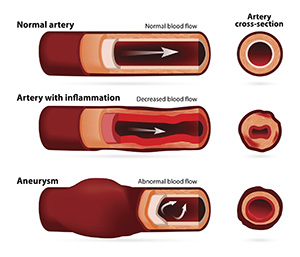
A brain aneurysm forms when the wall of an artery in the brain becomes thin and weakened. Over time, pressure from circulating blood causes that weak area to balloon outward.
There are two main situations:
-
Unruptured aneurysm – May produce mild or no symptoms.
-
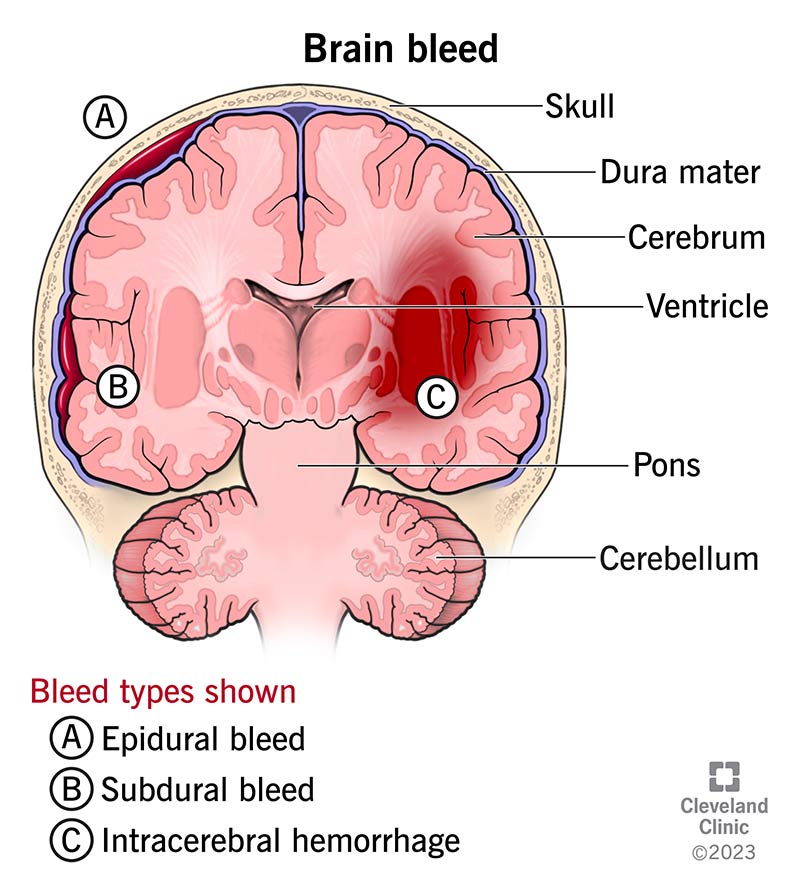
Ruptured aneurysm – Causes bleeding into the brain (subarachnoid hemorrhage), which is life-threatening.
Small aneurysms often go unnoticed. Larger ones or those that press on surrounding nerves may trigger warning signs before rupture.
Now let’s break down the 12 symptoms you should never brush off.
1. Sudden, Severe Headache ("Thunderclap Headache")
This is the most classic warning sign.
People often describe it as:
“The worst headache of my life.”
It comes on abruptly — within seconds to a minute. If you or someone experiences a headache that feels explosive and unlike any previous headache, seek emergency medical care immediately.
2. Pain Behind or Above the Eye
An expanding aneurysm can press against nearby nerves, causing deep, persistent pain around one eye. This is not a typical tension headache — it feels localized and intense.
3. Blurred or Double Vision


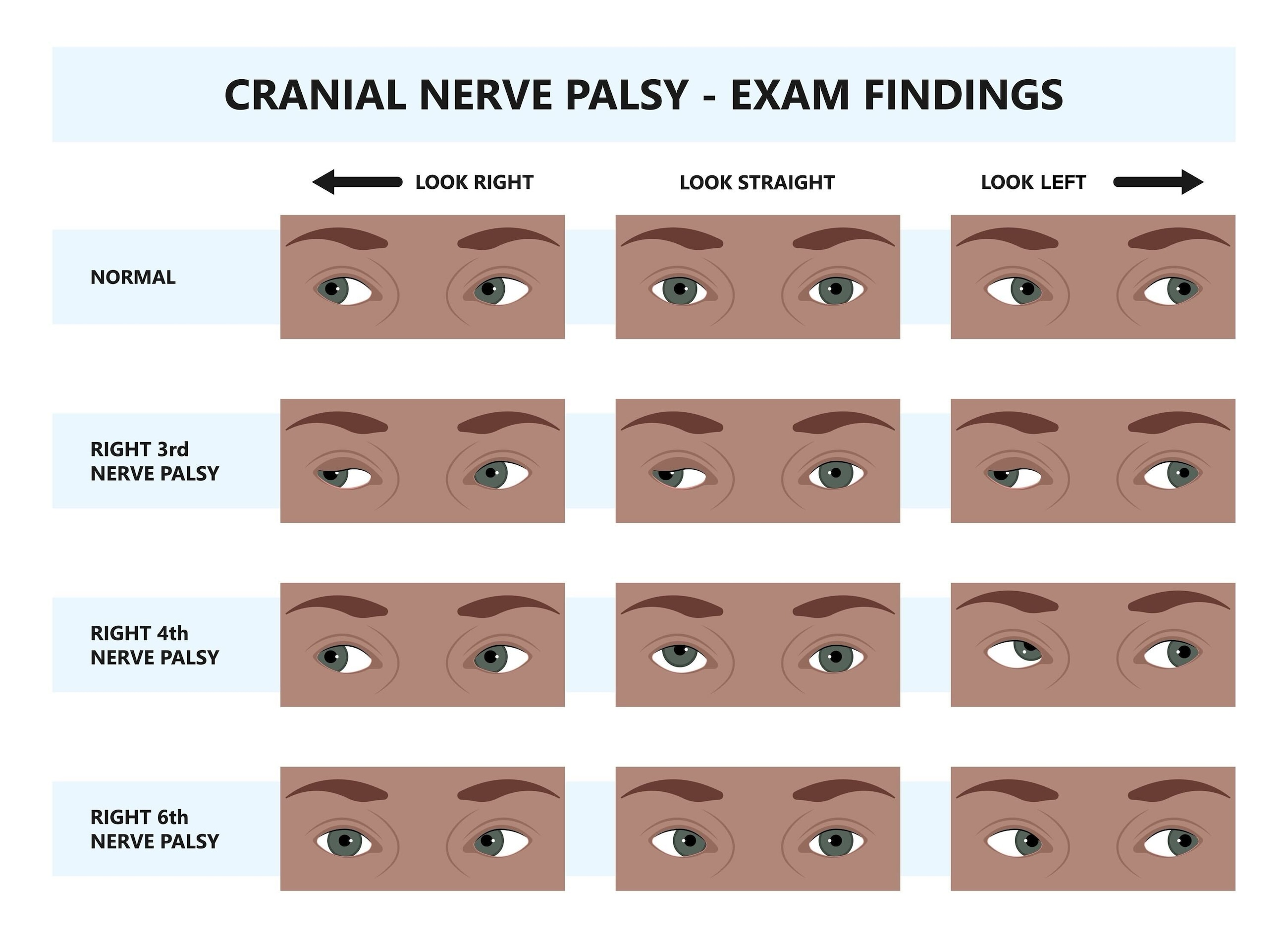
Vision changes occur when the aneurysm compresses nerves responsible for eye movement and focus.
Possible symptoms include:
-
Double vision
-
Blurry vision
-
Difficulty focusing
-
Loss of part of the visual field
Sudden visual disturbance combined with headache is especially concerning.
4. Dilated Pupil
One pupil appearing larger than the other can indicate nerve compression. This may be subtle at first but is a red flag when paired with other neurological symptoms.
5. Drooping Eyelid
A droopy eyelid (ptosis) can happen if the aneurysm affects the third cranial nerve. This symptom may develop gradually or suddenly.
6. Neck Stiffness


If an aneurysm ruptures and blood leaks into the space around the brain, it can irritate the meninges (protective membranes). This causes:
-
Severe neck stiffness
-
Pain when bending the neck forward
Neck stiffness with a sudden headache is an emergency combination.
7. Nausea and Vomiting
Increased pressure inside the skull can trigger nausea and vomiting. While these symptoms are common in many illnesses, they become serious when paired with sudden neurological changes.
8. Sensitivity to Light (Photophobia)


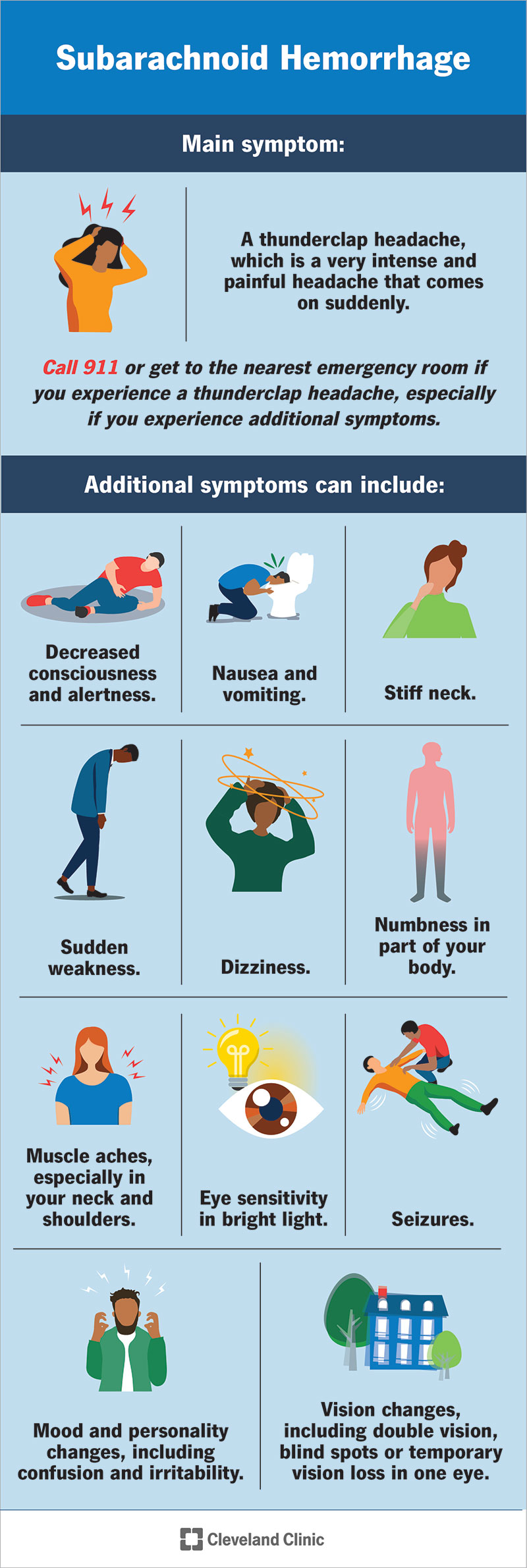
Bright light may feel unbearable after a rupture. This occurs due to irritation of brain tissues and increased intracranial pressure.
9. Seizures
Bleeding in the brain can disrupt normal electrical activity, leading to seizures. This may be the first noticeable sign in some cases.
10. Loss of Consciousness

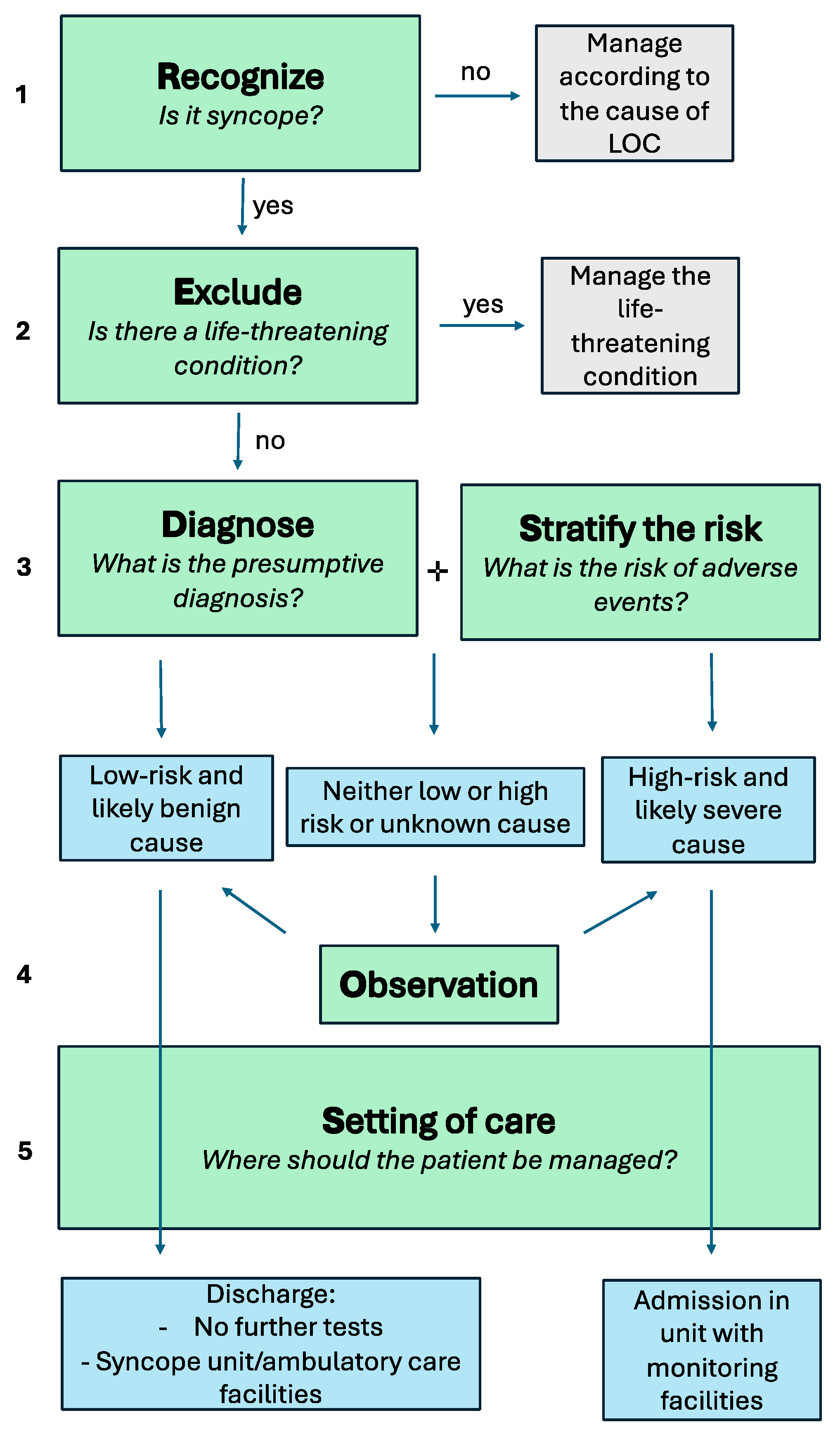
If bleeding is severe, the person may suddenly collapse or lose consciousness. This is a critical emergency requiring immediate intervention.
11. Confusion or Difficulty Speaking
Brain tissue deprived of oxygen or compressed by bleeding may lead to:
-
Slurred speech
-
Trouble understanding language
-
Sudden confusion
-
Memory disruption
These signs overlap with stroke symptoms and should be treated with equal urgency.
12. Weakness or Numbness on One Side of the Body
Pressure from an aneurysm or bleeding may affect motor pathways, resulting in:
-
Weakness in one arm or leg
-
Facial drooping
-
Numbness on one side
These neurological deficits require immediate medical attention.
Who Is at Higher Risk?
Although aneurysms can occur in anyone, risk factors include:
-
High blood pressure
-
Smoking
-
Family history of aneurysms
-
Connective tissue disorders
-
Polycystic kidney disease
-
Heavy alcohol use
-
Age over 40
Women are statistically more likely than men to develop brain aneurysms.
What Happens If an Aneurysm Ruptures?
A rupture causes subarachnoid hemorrhage, a type of bleeding around the brain. This can lead to:
-
Stroke
-
Brain damage
-
Coma
-
Death
Mortality rates are significant if treatment is delayed. About 1 in 4 people with a ruptured aneurysm may not survive the first 24 hours without rapid intervention.
When Should You Seek Emergency Care?
Call emergency services immediately if someone experiences:
-
Sudden severe headache
-
Headache with vomiting or neck stiffness
-
Vision changes with neurological symptoms
-
Fainting or seizure
-
Sudden weakness or speech problems
Time is brain. Every minute matters.
How Are Brain Aneurysms Diagnosed?
Doctors may use:
-
CT scan
-
MRI
-
Cerebral angiography
Unruptured aneurysms discovered early can sometimes be treated preventively using:
-
Surgical clipping
-
Endovascular coiling
Both procedures aim to prevent rupture by sealing off the weakened vessel.