Cancer is a complex group of diseases influenced by many factors, including genetics, environment, lifestyle, and age. While no single food can prevent or cure cancer, research consistently shows that long-term dietary patterns play an important role in overall health and may influence cancer risk.
A balanced diet rich in plant-based foods, fiber, antioxidants, and healthy fats supports immune function, reduces chronic inflammation, and protects cells from oxidative damage — all of which are important in lowering disease risk.
Below are seven foods that are often studied for their potential role in supporting a healthy diet associated with reduced cancer risk.

1. Cruciferous Vegetables (Broccoli, Cauliflower, Brussels Sprouts)
Cruciferous vegetables are widely researched for their unique plant compounds called glucosinolates.
When chopped or chewed, these compounds convert into biologically active substances such as sulforaphane, which has been studied for its potential role in supporting detoxification enzymes and protecting cells from damage.
Why They Matter:
-
Rich in fiber
-
High in vitamin C and folate
-
Contain antioxidants
-
Support natural detox pathways
Regular consumption of cruciferous vegetables is associated with improved cellular health and reduced inflammation.
2. Berries (Blueberries, Strawberries, Raspberries)
Berries are among the most antioxidant-rich fruits available.
They contain anthocyanins and vitamin C, both of which help combat oxidative stress — a process linked to cellular damage over time.
Potential Benefits:
-
Reduce oxidative stress
-
Support immune function
-
Provide dietary fiber
-
Promote healthy gut microbiome
Adding a variety of berries to your diet contributes to overall protective nutrient intake.
3. Leafy Green Vegetables (Spinach, Kale, Swiss Chard)
Dark leafy greens are rich in vitamins, minerals, and phytochemicals.
They contain carotenoids such as lutein and beta-carotene, which act as antioxidants and support cellular health.
Nutritional Highlights:
-
Vitamin K
-
Folate
-
Magnesium
-
Fiber
A diet rich in leafy greens has been linked to reduced inflammation and improved overall metabolic health.
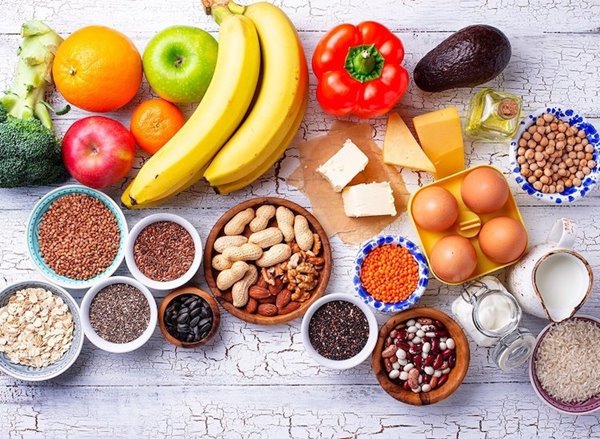
4. Whole Grains (Brown Rice, Oats, Quinoa)
Whole grains provide fiber and essential nutrients that refined grains lack.
Dietary fiber plays an important role in digestive health and supports beneficial gut bacteria. A healthy gut microbiome may influence immune function and systemic inflammation.
Why Fiber Matters:
-
Promotes regular bowel movements
-
Supports colon health
-
Helps regulate blood sugar
-
Reduces chronic inflammation
Higher fiber intake has been associated in some studies with reduced risk of certain cancers, particularly colorectal cancer.
5. Legumes (Beans, Lentils, Chickpeas)
Legumes are rich in plant-based protein, fiber, and phytonutrients.
They contain compounds such as polyphenols and resistant starch that may support gut health and metabolic balance.
Benefits Include:
-
Improved blood sugar regulation
-
Lower cholesterol levels
-
Increased satiety
-
Support for digestive health
Incorporating legumes into meals several times per week contributes to a nutrient-dense dietary pattern.
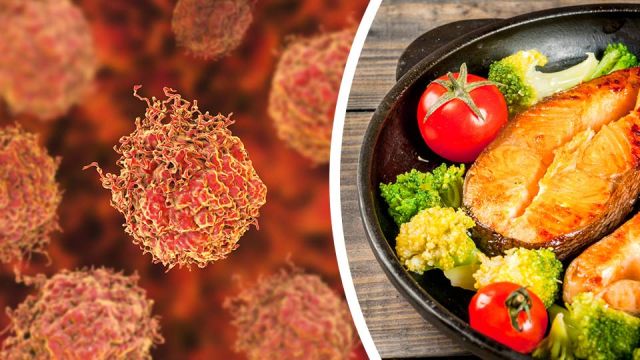
6. Fatty Fish (Salmon, Sardines, Mackerel)
Fatty fish are excellent sources of omega-3 fatty acids.
Omega-3s help regulate inflammation in the body. Chronic inflammation is considered a contributing factor in many chronic diseases.
Nutritional Benefits:
-
Anti-inflammatory properties
-
High-quality protein
-
Vitamin D
-
Selenium
Including fatty fish in a balanced diet may support cardiovascular and overall health.
7. Garlic and Onions (Allium Vegetables)
Garlic, onions, leeks, and shallots belong to the allium family and contain sulfur compounds that have been studied for their potential health benefits.
When crushed or chopped, garlic produces allicin, a compound linked to antioxidant and antimicrobial properties.
Potential Contributions:
-
Support detoxification enzymes
-
Promote immune function
-
Provide anti-inflammatory effects
Regular use of these vegetables in cooking enhances both flavor and nutritional value.
The Bigger Picture: Diet Patterns Matter More Than Single Foods
It is important to emphasize that no single food determines cancer risk. What matters most is overall dietary pattern.
Research supports diets that are:
-
Rich in fruits and vegetables
-
High in fiber
-
Moderate in healthy fats
-
Low in processed meats
-
Limited in added sugars and ultra-processed foods
The Mediterranean-style diet, for example, has been widely studied for its association with reduced chronic disease risk.
Additional Lifestyle Factors
Diet works best alongside other healthy behaviors:
-
Regular physical activity
-
Maintaining a healthy weight
-
Avoiding smoking
-
Limiting alcohol intake
-
Managing stress
-
Getting adequate sleep
Cancer risk reduction is multifactorial and requires a comprehensive approach.
Final Thoughts
While no food can guarantee prevention, a nutrient-dense, plant-forward diet plays an important role in supporting long-term health. Cruciferous vegetables, berries, leafy greens, whole grains, legumes, fatty fish, and allium vegetables provide valuable nutrients and protective compounds that contribute to cellular health and immune balance.
The goal is not perfection but consistency. Small, sustainable dietary improvements over time can have meaningful impacts on overall well-being.
A healthy plate is one of the simplest and most powerful tools for supporting your body — today and in the years ahead.