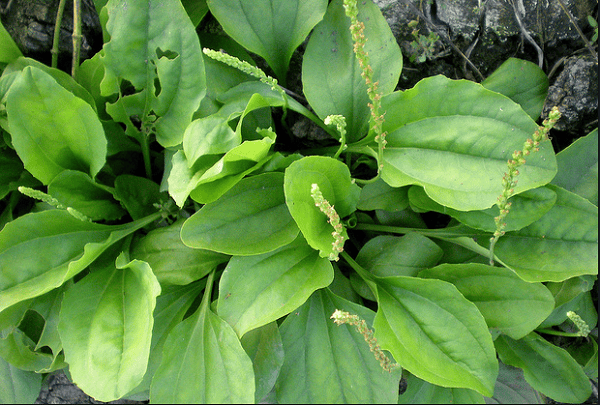
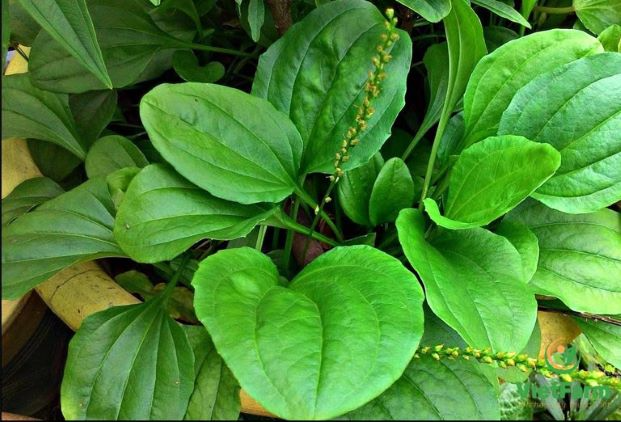
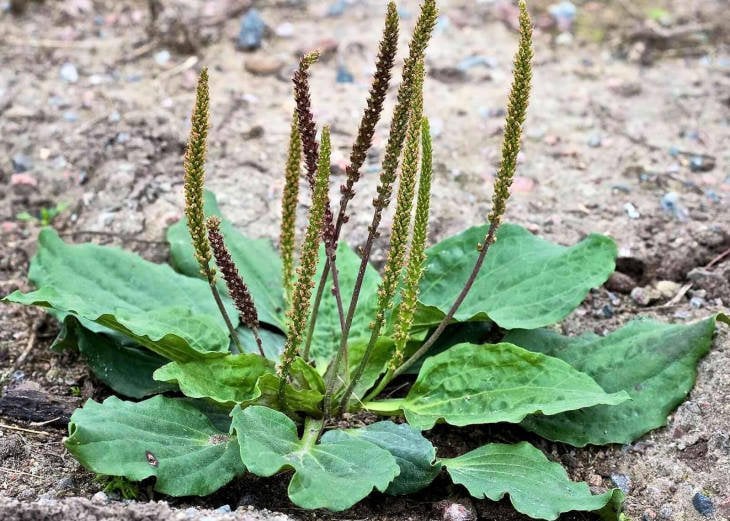
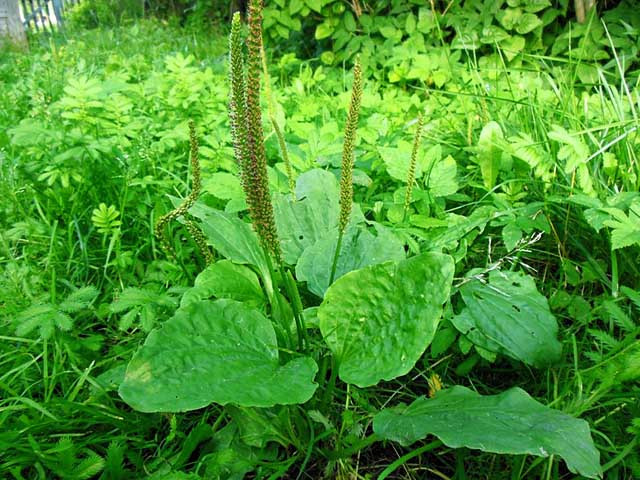
Along quiet roadsides, in open fields, and at the edges of gardens where few people think to look, a slender green plant rises modestly from the soil. Its narrow leaves stretch upward like blades of grass, and delicate flower spikes sway gently in the wind. To many, it is nothing more than a common weed.
Yet this humble plant — Plantago lanceolata, known as ribwort plantain, narrowleaf plantain, English plantain, or “mã đề lá mũi mác” in Vietnamese — carries centuries of medicinal history within its simple leaves.
Long before laboratories and pharmaceutical industries, this resilient herb was treasured across Europe, Asia, and traditional Vietnamese medicine as a dependable remedy for wounds, respiratory illness, digestive troubles, and inflammatory conditions. While modern landscapes have reduced it to background greenery, science is now confirming what traditional healers understood intuitively: Plantago lanceolata is a remarkably versatile medicinal plant — a quiet pharmacy growing in plain sight.
I. The Healing Intelligence of Plantago lanceolata
What makes this plant so powerful is not a single miracle compound, but a sophisticated blend of phytochemicals that work together in synergy. Rather than targeting one system, it gently supports multiple pathways in the body.
Key Bioactive Compounds
Aucubin
A naturally occurring iridoid glycoside with antiviral, antibacterial, and liver-protective properties. Aucubin has drawn scientific interest for its role in immune modulation and detoxification support.
Mucilage
A soothing, gel-like fiber that coats and protects irritated tissues. Particularly beneficial for respiratory and digestive membranes, mucilage reduces inflammation and discomfort.
Tannins
Astringent compounds that tighten tissues, reduce bleeding, and accelerate wound healing.
Flavonoids
Potent antioxidants that help neutralize free radicals, reduce inflammation, and protect cellular integrity.
Phenolic Acids
Compounds with antimicrobial and immune-supportive effects.
Silica
A trace mineral essential for connective tissue strength, skin regeneration, and collagen formation.
Together, these constituents form a broad-spectrum healing profile — antimicrobial, anti-inflammatory, antioxidant, and tissue-restorative. It is this multi-layered chemistry that gives Plantago lanceolata its enduring reputation.
II. A Remarkable Range of Health Benefits
1. Respiratory and Immune Support
For centuries, ribwort plantain has been a trusted remedy for respiratory ailments.
-
Soothes dry coughs and bronchial irritation
The mucilage forms a protective coating over inflamed airways, reducing irritation and easing discomfort. -
Acts as a natural expectorant
Helps loosen mucus and promote its elimination from the lungs. -
Relieves sore throat and hoarseness
Warm infusions calm swelling and soothe vocal strain. -
Supports seasonal allergy relief
Its anti-inflammatory properties may help reduce nasal irritation. -
Enhances immune resilience
Antioxidants and aucubin strengthen the body’s defense mechanisms.
In traditional medicine, plantain tea was often one of the first remedies given during cold and flu season.
2. Skin Healing and Anti-Inflammatory Power
One of the plant’s most celebrated uses is for external application.
-
Accelerates wound healing
Fresh crushed leaves can help stop minor bleeding and disinfect small cuts. -
Relieves insect bites and stings
Quickly reduces itching and swelling. -
Calms eczema, dermatitis, and rashes
Anti-inflammatory compounds soothe irritated skin. -
Supports acne management
Antibacterial activity may help reduce breakouts. -
Promotes post-surgical tissue repair
Silica contributes to collagen formation and skin regeneration.
For generations, a simple leaf poultice has served as a first-aid solution in rural communities.
3. Digestive Support
Internally, Plantago lanceolata offers gentle yet effective support for the digestive system.
-
Soothes gastritis and acid reflux
Mucilage protects the stomach lining. -
Reduces diarrhea
Tannins help tighten intestinal tissue and reduce fluid loss. -
Calms intestinal inflammation
May support healing of irritated digestive pathways. -
Helps regulate blood sugar
Some preliminary studies suggest mild glucose-balancing effects.
Its ability to coat and calm irritated mucous membranes makes it especially valuable for sensitive digestive systems.
4. Urinary, Kidney, and Liver Support
Traditional herbalists have long relied on ribwort plantain for detoxification and urinary health.
-
Supports urinary tract health
Used for bladder irritation and mild urinary infections. -
Encourages healthy urine flow
Assists the body’s natural detox processes. -
Protects liver function
Aucubin contributes to liver cell protection and detox pathway support. -
Historically used as an anti-parasitic
Traditional systems employed it for intestinal cleansing.
Its mild diuretic action supports elimination without harsh stimulation.
5. Pain Relief and Hormonal Balance
Though gentle, the plant also provides supportive pain relief.
-
Relieves minor headaches and toothaches
Often used as a gargle for oral discomfort. -
Supports gum health
Reduces inflammation and mouth ulcers. -
Traditionally used to reduce heavy menstrual bleeding
The astringent properties may help regulate excessive flow.
Its effect is not forceful but harmonizing — working gradually to restore balance.
6. Longevity and Cellular Protection
Modern research highlights the antioxidant strength of ribwort plantain.
-
Reduces oxidative stress
Protects cells from free radical damage. -
Supports long-term vitality
Encourages systemic resilience and tissue integrity.
By reducing chronic inflammation, it may contribute to overall wellness and healthy aging.
III. Practical Home Applications
Fresh Leaf Poultice
Crush clean fresh leaves into a paste and apply directly to cuts, bites, or swelling. Cover lightly. This traditional remedy helps reduce bleeding and inflammation.
Healing Tea
Steep 1–2 teaspoons of dried leaves in hot water for 10–15 minutes. Drink up to three times daily for respiratory or digestive support.
Plantain Syrup
Simmer fresh leaves gently with honey until thickened. A spoonful can help soothe persistent coughs.
Eye Rinse
Prepare a very mild infusion, cool completely, and use carefully as a gentle wash for eye irritation.
Skin Toner
Cooled tea can be applied as a facial rinse for acne-prone or sensitive skin.
IV. Safety and Responsible Use
Although widely considered safe, responsible use is essential.
-
Avoid if allergic to plants in the Plantago family.
-
Consult a healthcare provider if pregnant or nursing.
-
Wash leaves thoroughly before use.
-
Discontinue if irritation occurs.
As with all herbal remedies, moderation and proper guidance are key.
V. A Forgotten Healer Worth Remembering
Plantago lanceolata stands as a reminder that powerful medicine does not always come in elaborate packaging. It often grows quietly underfoot, resilient and unnoticed.
Across cultures and generations, this plant has served as a wound healer, lung soother, digestive protector, and immune ally. Modern research continues to validate its antimicrobial, anti-inflammatory, and antioxidant properties.
In rediscovering ribwort plantain, we reconnect not only with botanical medicine but with a deeper relationship to the land itself — one rooted in observation, respect, and balance.
Sometimes the most extraordinary remedies are the ones we walk past every day, waiting patiently to be seen again.