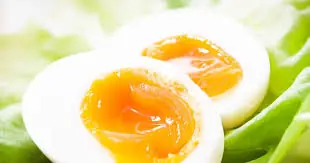
Chicken Eggs Aren’t Ideal for Everyone — Here Are 5 At-Risk Groups
5 Groups of People Who Should Be Careful with Chicken Eggs
Health 02/03/2026 12:29
Sprouted foods have gained increasing attention in recent years — and for good reason. When seeds, grains, or legumes begin to sprout, they undergo natural biochemical changes that can enhance their nutritional profile. The sprouting process activates enzymes, reduces certain anti-nutrients, and may increase the availability of vitamins and minerals.
While sprouts are often associated with salads or health food stores, they are simple, accessible foods that can easily be included in everyday meals. Below are three nutrient-rich sprouted foods worth knowing about — along with the health benefits they may offer.
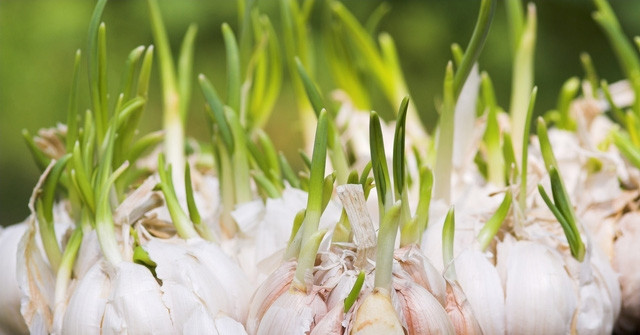
Mung bean sprouts are among the most popular and widely consumed sprouts worldwide. Crisp, mild in flavor, and versatile, they are commonly used in stir-fries, soups, and salads.
Vitamin C
Folate
Fiber
Plant-based protein
Antioxidants
Improved Digestion
Sprouting reduces compounds known as anti-nutrients (such as phytic acid), which can interfere with mineral absorption. This makes sprouted mung beans easier to digest compared to their dried counterparts.
Enhanced Nutrient Absorption
The sprouting process increases certain vitamins, particularly vitamin C — which is not present in significant amounts in unsprouted beans.
Support for Heart Health
Mung bean sprouts contain antioxidants that may help reduce oxidative stress and inflammation, both of which are linked to cardiovascular disease.
Because they are low in calories and high in fiber, they can also support healthy weight management.
Lentils are already known as a nutrient-dense legume, but sprouting them enhances their digestibility and nutrient availability even further.
Iron
Protein
Fiber
B vitamins
Magnesium
Improved Iron Absorption
Sprouting reduces phytic acid, which allows the body to absorb iron more efficiently. This can be particularly beneficial for individuals at risk of iron deficiency.
Better Blood Sugar Regulation
The fiber and protein content in sprouted lentils help stabilize blood sugar levels by slowing carbohydrate digestion and preventing rapid glucose spikes.
Enhanced Digestive Comfort
Many people find sprouted lentils easier to digest than cooked dried lentils, as sprouting begins breaking down complex starches.
Sprouted lentils can be eaten raw (when properly rinsed and handled safely), lightly steamed, or added to salads and grain bowls.

Whole grains are nutritious on their own, but sprouting can improve their overall nutritional profile.
Increased B vitamins
Higher antioxidant levels
Improved amino acid profile
Better mineral bioavailability
Improved Digestibility
Sprouting partially breaks down starches and gluten proteins, which may make sprouted grains easier to tolerate for some individuals (though not suitable for those with celiac disease unless certified gluten-free).
Increased Antioxidant Activity
The germination process can boost antioxidant levels, helping protect cells from oxidative damage.
Enhanced Energy Support
Sprouted grains provide complex carbohydrates for sustained energy, along with protein and fiber to promote satiety.
Sprouted grain bread, for example, has become popular because of its dense nutrient content and lower glycemic impact compared to refined white bread.
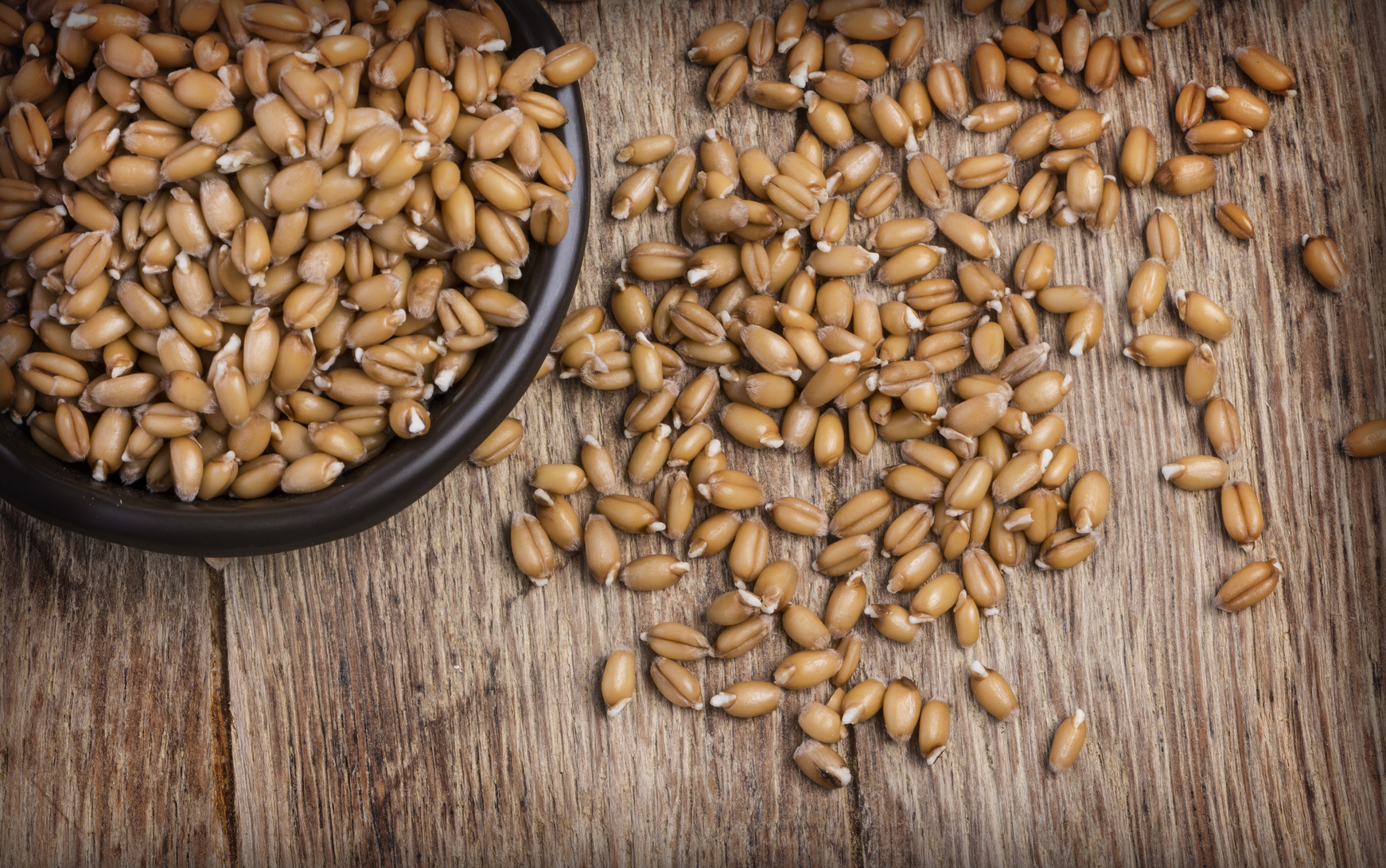
During sprouting, a seed begins transitioning from dormancy to growth. This activates enzymes that:
Break down starch into simpler sugars
Increase certain vitamin levels
Reduce anti-nutrient compounds
Improve protein quality
As a result, sprouted foods often provide more accessible nutrients and improved digestibility compared to unsprouted forms.
While sprouted foods offer nutritional benefits, they must be handled carefully. Because sprouts grow in warm, moist environments, they can sometimes harbor bacteria if not produced hygienically.
To reduce risk:
Purchase from reputable sources
Rinse thoroughly before use
Store in refrigeration
Avoid raw sprouts if you are pregnant, elderly, immunocompromised, or very young
Light cooking can further reduce food safety risks.
Sprouted mung beans, sprouted lentils, and sprouted whole grains are three nutrient-rich foods that can offer enhanced digestibility and increased vitamin availability. The sprouting process unlocks potential within seeds and legumes, making nutrients easier for the body to absorb.
Incorporating sprouted foods into your diet does not require drastic changes. Adding them to salads, sandwiches, soups, or grain bowls can be a simple way to boost nutritional intake naturally.
Sometimes, the most powerful improvements in nutrition come not from exotic superfoods, but from allowing ordinary foods to reach their full potential through simple natural processes.
5 Groups of People Who Should Be Careful with Chicken Eggs

What’s Behind Those White Spots on Your Skin?

Not Just Fluid Retention: 10 Reasons Your Lower Legs May Be Swollen

9 Red Flags of Diabetes That Deserve Your Attention
Don’t Overlook These 3 Morning Symptoms

A Dentist Reveals Why Teeth Still Turn YellowYou Brush All the Time

When Digestive Problems Don’t Go Away: Early Signs of IBD to Watch For

Epigastric Pain and Its Accompanying Symptoms Explained

Can one oregano leaf a day really improve your health? Here’s what science actually says.
If Your Heel Hurts When You Wake Up or After Standing for a Long Time

Aging is unavoidable—but looking your age doesn’t have to be.

A Village With Almost No Cancer Cases—Thanks to a Root Vegetable Eaten Every Day

Okra Looks Healthy, but It May Be Off-Limits for These 3 Groups of People

You wake up after a full night’s sleep—yet your arms and legs feel heavy, your thoughts are cloudy, and your energy is nowhere to be found.

How a common root vegetable can become deadly

Doctors Reveal the Commonly Overlooked Body Part You MUST Clean Daily — Ignoring It Could Be Life-Threa.tening

Persistent hip pain may signal more than strain—know the warning signs early.
🚨 8 Early Warning Signs of Cancer When Going to the Bathroom 🚨
3 foods eaten together will 'cr.eate to.xins' even can.cer-causing sub.stances
5 Groups of People Who Should Be Careful with Chicken Eggs

When Your Parent Shows These 4 Signs, Emotional Preparation Matters
What’s Behind Those White Spots on Your Skin?

Here’s What That Little Pocket in Women’s Underwear Is Actually For
Not Just Fluid Retention: 10 Reasons Your Lower Legs May Be Swollen
9 Red Flags of Diabetes That Deserve Your Attention
Don’t Overlook These 3 Morning Symptoms
A Dentist Reveals Why Teeth Still Turn YellowYou Brush All the Time

Keep Ginger Fresh for Up to 6 Months with This Easy Storage Trick

Regardless of How Much You Earn, Get Rid of These 4 Things Without Delay
When Digestive Problems Don’t Go Away: Early Signs of IBD to Watch For
Epigastric Pain and Its Accompanying Symptoms Explained

That tiny pocket on your jeans has a surprising history you probably never knew.

Don’t toss your peeling non-stick pan yet—try this simple kitchen trick first.
Can one oregano leaf a day really improve your health? Here’s what science actually says.
If Your Heel Hurts When You Wake Up or After Standing for a Long Time
Aging is unavoidable—but looking your age doesn’t have to be.
A Village With Almost No Cancer Cases—Thanks to a Root Vegetable Eaten Every Day

A healthier home hack: Clean every room with one natural solution