Waking up to a damp pillow can feel embarrassing or puzzling, especially for adults who assume drooling during sleep is something that only happens to children. In reality, occasional nighttime drooling is common and often harmless. It usually occurs when saliva escapes the mouth during deep relaxation.
However, persistent or excessive drooling — especially when it develops suddenly — can sometimes signal an underlying health condition. Understanding the possible causes can help you determine whether it is simply a sleep habit or something that requires medical attention.
Below are six potential reasons why nighttime drooling may occur.
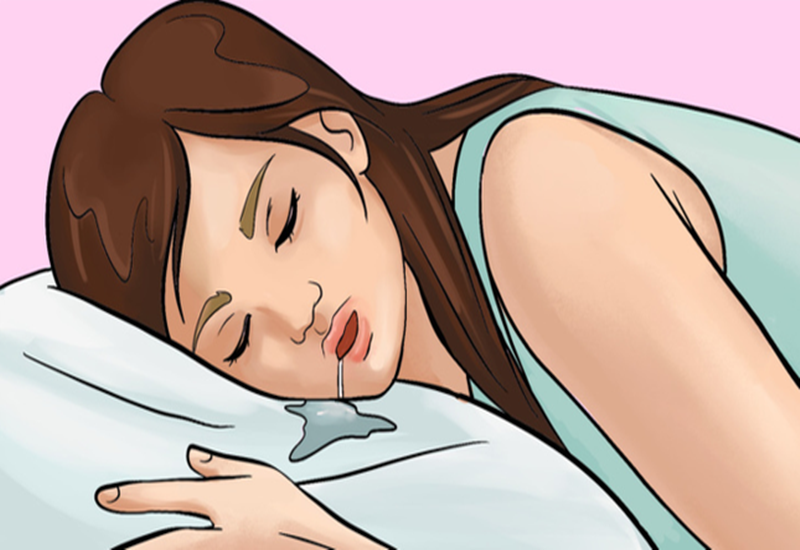
1. Sleep Position
One of the most common and harmless causes of drooling is sleep posture.
When you sleep on your side or stomach, gravity naturally pulls saliva toward the front of the mouth. If your mouth relaxes open during deep sleep, saliva may escape onto the pillow.
Why It Happens:
During sleep, facial muscles relax, and swallowing frequency decreases. This makes it easier for saliva to pool and leak.
What You Can Do:
-
Try sleeping on your back
-
Use a supportive pillow to keep your head aligned
-
Practice nasal breathing exercises
If drooling occurs only occasionally and without other symptoms, sleep position is likely the cause.
2. Nasal Congestion or Sinus Issues
Blocked nasal passages often force mouth breathing during sleep.
Common causes include:
-
Allergies
-
Colds or flu
-
Sinus infections
-
Deviated septum
When breathing through the mouth, saliva may escape more easily.
Signs to Watch For:
-
Snoring
-
Dry mouth
-
Morning congestion
-
Frequent sinus pressure
Management:
Treating underlying nasal congestion with medical guidance may reduce nighttime drooling.
3. Gastroesophageal Reflux (GERD)
Acid reflux can sometimes increase saliva production — a response known as “water brash.”
Why It Happens:
When stomach acid irritates the esophagus, the body produces extra saliva to neutralize it.
Symptoms That May Accompany Drooling:
-
Heartburn
-
Sour taste in the mouth
-
Chest discomfort
-
Chronic cough
Managing reflux through diet adjustments and medical treatment may help reduce excessive saliva production at night.

4. Sleep Disorders (Including Sleep Apnea)
Sleep disorders can affect muscle control and breathing patterns.
Obstructive sleep apnea (OSA), for example, involves repeated airway blockage during sleep. It can contribute to mouth breathing and drooling.
Warning Signs:
-
Loud snoring
-
Pauses in breathing during sleep
-
Daytime fatigue
-
Morning headaches
Sleep apnea is a serious condition that increases cardiovascular risk. If drooling is accompanied by these symptoms, evaluation by a sleep specialist is important.
5. Neurological Conditions
In some cases, drooling may be related to neurological issues that affect muscle control and swallowing reflexes.
Conditions that may contribute include:
-
Parkinson’s disease
-
Stroke
-
Multiple sclerosis
-
Neuromuscular disorders
Why It Happens:
Drooling in these cases is usually not due to excessive saliva production but reduced ability to swallow efficiently.
If drooling is new, persistent, and accompanied by speech changes, weakness, or coordination issues, medical evaluation is essential.
6. Certain Medications
Some medications can increase saliva production or alter muscle control.
These may include:
-
Certain antipsychotics
-
Sedatives
-
Medications affecting the nervous system
If nighttime drooling began after starting a new medication, consult your healthcare provider. Do not stop medication without professional guidance.
When Is Nighttime Drooling Normal?
Occasional drooling without other symptoms is usually harmless. It may simply reflect:
-
Deep sleep
-
Temporary congestion
-
Relaxed jaw muscles
Children and individuals in very deep sleep cycles are more prone to it.

When to See a Doctor
Seek medical advice if drooling:
-
Is excessive or worsening
-
Occurs alongside swallowing difficulty
-
Is accompanied by speech changes
-
Is linked with frequent choking
-
Appears suddenly without clear explanation
Early assessment can rule out serious conditions and provide peace of mind.
Practical Tips to Reduce Nighttime Drooling
-
Improve nasal breathing
-
Maintain good sleep posture
-
Manage allergies
-
Treat acid reflux if present
-
Maintain regular dental hygiene
If needed, healthcare providers may recommend targeted treatments based on the underlying cause.
Final Thoughts
Nighttime drooling is often harmless, but it can sometimes reflect deeper health issues. From simple sleep position to reflux, sleep apnea, or neurological conditions, multiple factors may contribute.
Understanding the cause is key. Paying attention to accompanying symptoms helps determine whether it is simply a normal variation of sleep — or a signal that deserves further evaluation.
Listening to your body, even during sleep, is an important part of maintaining long-term health.