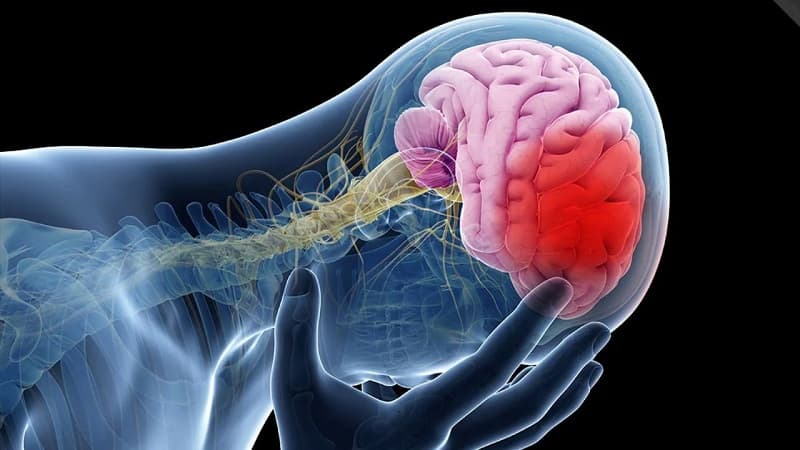
A stroke is often described as a sudden medical emergency — and in many cases, it is. However, the body sometimes sends warning signs in the days or even weeks before a major stroke occurs. These early signals are often subtle, temporary, or easily dismissed. Recognizing them early can be lifesaving.
A stroke occurs when blood flow to part of the brain is interrupted, either due to a blockage (ischemic stroke) or bleeding (hemorrhagic stroke). When brain cells are deprived of oxygen, they begin to die within minutes. Immediate treatment is critical — but prevention and early awareness are equally important.
Below are 10 possible symptoms that may indicate increased stroke risk or a transient ischemic attack (TIA), sometimes called a “mini-stroke.” A TIA is a temporary blockage that resolves on its own but strongly predicts a future stroke.
1. Sudden Numbness or Weakness on One Side of the Body
One of the most common stroke warning signs is weakness or numbness affecting:
-
The face
-
An arm
-
A leg
-
One entire side of the body
This may appear suddenly and disappear within minutes or hours in the case of a TIA.
If you notice facial drooping or difficulty lifting one arm evenly, seek medical help immediately.
2. Sudden Confusion or Difficulty Speaking
Stroke can impair the brain’s language centers.
Watch for:
-
Slurred speech
-
Difficulty forming words
-
Trouble understanding simple sentences
-
Sudden confusion
Even brief episodes should never be ignored.
3. Sudden Vision Problems
Stroke can affect visual processing.
Possible symptoms include:
-
Blurred vision
-
Double vision
-
Loss of vision in one eye
-
Partial visual field loss
Vision changes that occur abruptly require urgent evaluation.
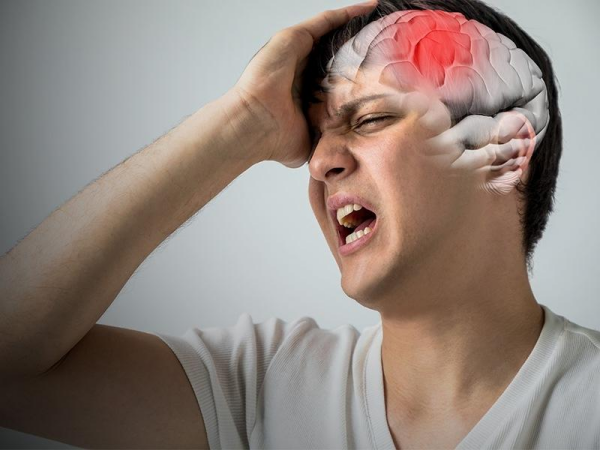
4. Severe Headache Without Known Cause
A sudden, intense headache — often described as “the worst headache of my life” — may signal bleeding in the brain.
While not all headaches indicate stroke, a sudden and severe headache, especially if accompanied by other neurological symptoms, requires emergency care.

5. Dizziness or Loss of Balance
Unexpected dizziness, difficulty walking, or lack of coordination may indicate disrupted blood flow to areas of the brain responsible for balance.
Warning signs include:
-
Sudden unsteadiness
-
Trouble maintaining posture
-
Coordination problems
These symptoms are particularly concerning if they occur suddenly.
6. Brief Episodes of Paralysis or Weakness
Temporary paralysis or limb weakness that resolves within hours may represent a transient ischemic attack.
A TIA is often called a “warning stroke.” Approximately one-third of individuals who experience a TIA go on to have a full stroke if untreated.
Immediate medical evaluation is essential.
7. Difficulty Swallowing
Stroke can affect muscles involved in swallowing.
If you notice sudden difficulty swallowing, choking on liquids, or persistent throat weakness, seek medical attention.
8. Sudden Fatigue or Weakness
While fatigue is common for many reasons, sudden unexplained weakness — especially when paired with neurological changes — may signal vascular problems.
In some cases, individuals report unusual exhaustion in the days before a stroke.
9. Transient Memory Loss or Cognitive Changes
Short episodes of confusion, memory lapses, or difficulty concentrating may occur when blood flow to certain brain regions is temporarily reduced.
These symptoms are sometimes subtle and mistaken for stress or fatigue.
10. Sudden Blood Pressure Spikes
Extremely high blood pressure is a major stroke risk factor. Some individuals may experience:
-
Head pressure
-
Flushing
-
Palpitations
Routine monitoring of blood pressure is critical, especially for individuals with hypertension.
Why Early Symptoms Matter
Many of these warning signs may last only minutes and disappear. That does not mean the risk has passed.
A transient ischemic attack is a medical emergency. It signals that a blockage has already occurred once — and may occur again.
Early intervention can include:
-
Blood thinners
-
Blood pressure control
-
Cholesterol management
-
Lifestyle modifications
Prompt care significantly reduces the likelihood of a major stroke.
Who Is at Higher Risk?
Stroke risk increases with:
-
High blood pressure
-
Diabetes
-
Smoking
-
High cholesterol
-
Obesity
-
Sedentary lifestyle
-
Heart disease
-
Family history
Age also increases risk, but strokes can occur at any age.
The FAST Rule
If you suspect a stroke, remember FAST:
-
F – Face drooping
-
A – Arm weakness
-
S – Speech difficulty
-
T – Time to call emergency services
Every minute matters. Brain tissue can be permanently damaged within minutes of oxygen loss.

Prevention Strategies
Reducing stroke risk involves consistent health management:
-
Maintain healthy blood pressure
-
Control blood sugar
-
Exercise regularly
-
Eat a heart-healthy diet
-
Avoid smoking
-
Limit alcohol
-
Manage stress
Routine medical check-ups allow early detection of risk factors.
Final Thoughts
A stroke often appears sudden, but in some cases, the body sends early warning signals. Sudden numbness, speech changes, vision problems, dizziness, severe headache, and transient weakness should never be dismissed — even if they resolve quickly.
Recognizing these symptoms and seeking immediate medical care can prevent irreversible brain damage and save lives.
Awareness is one of the most powerful tools in stroke prevention. Listening to your body and acting quickly could make all the difference.