Cracked Heels: When Dry Skin Could Signal Something More Serious
Dry, rough heels are common — especially in colder months or if you spend long hours standing. But in some cases, persistent cracked heels may indicate an underlying health condition that shouldn’t be ignored.
While most heel cracks are harmless and related to skin dryness, deep fissures, discoloration, or slow healing may point to systemic issues such as diabetes, thyroid disorders, or circulation problems.
Let’s examine what your heels might be telling you.
Why Do Heels Crack in the First Place?


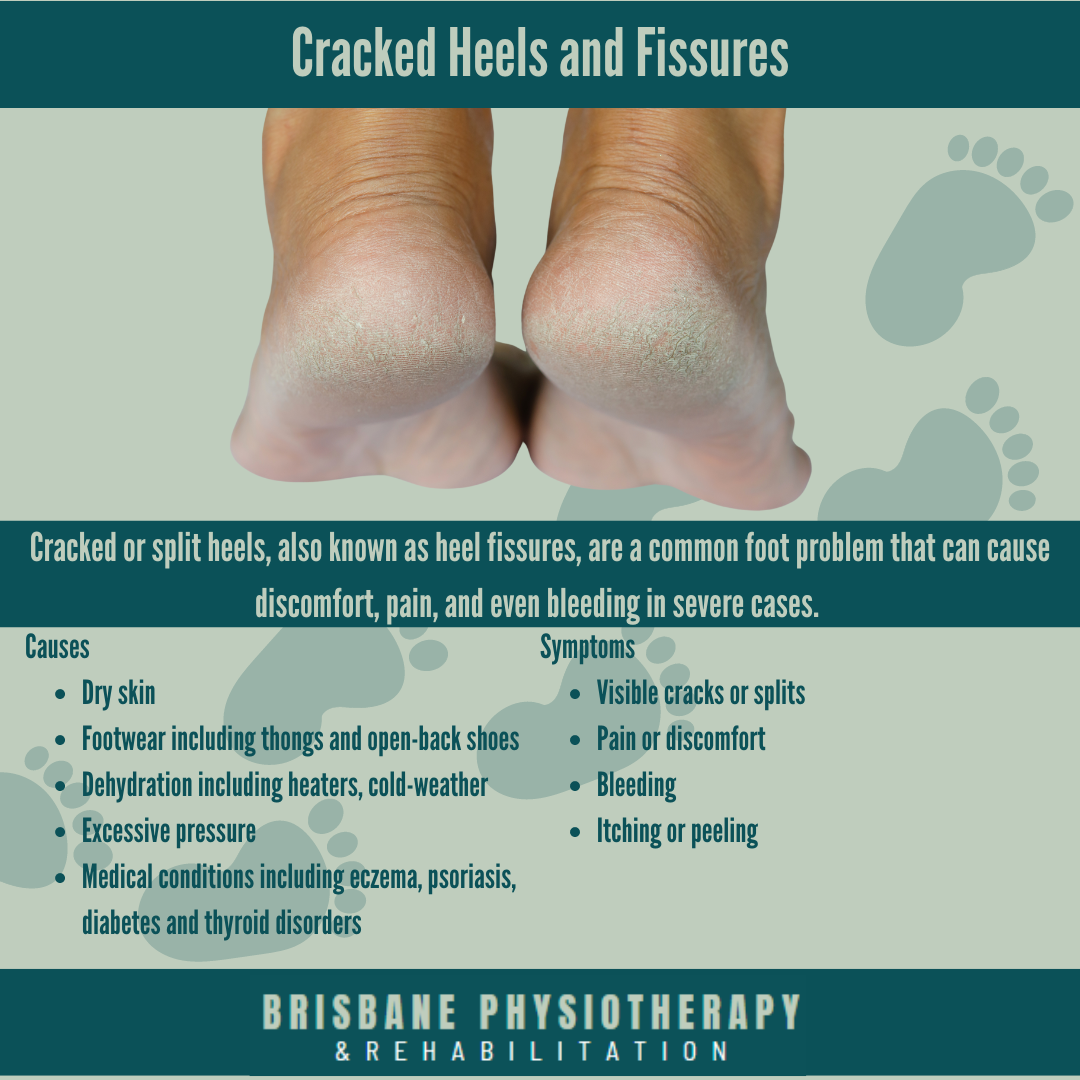
Heel skin is naturally thicker than other parts of the body. When it becomes excessively dry, it loses elasticity. Pressure from standing or walking causes the skin to split, forming cracks (also called fissures).
Common causes include:
-
Dry weather
-
Open-back shoes
-
Prolonged standing
-
Obesity (increased heel pressure)
-
Poor foot hygiene
-
Aging skin
Most mild cases respond well to moisturizing and proper foot care.
When Cracked Heels May Signal a Medical Issue
Persistent or severe heel cracking can sometimes be linked to broader health concerns.
1. Diabetes
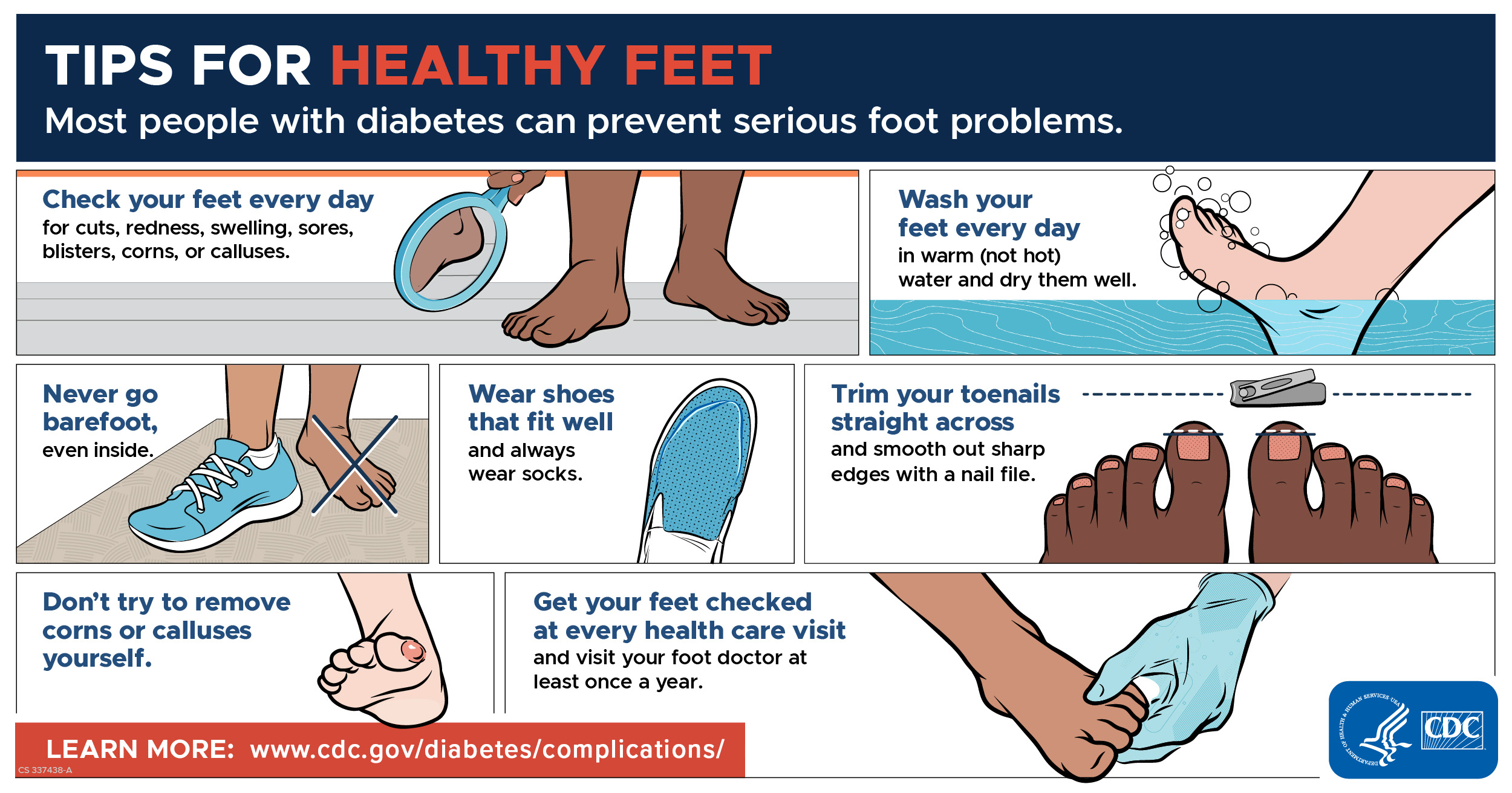
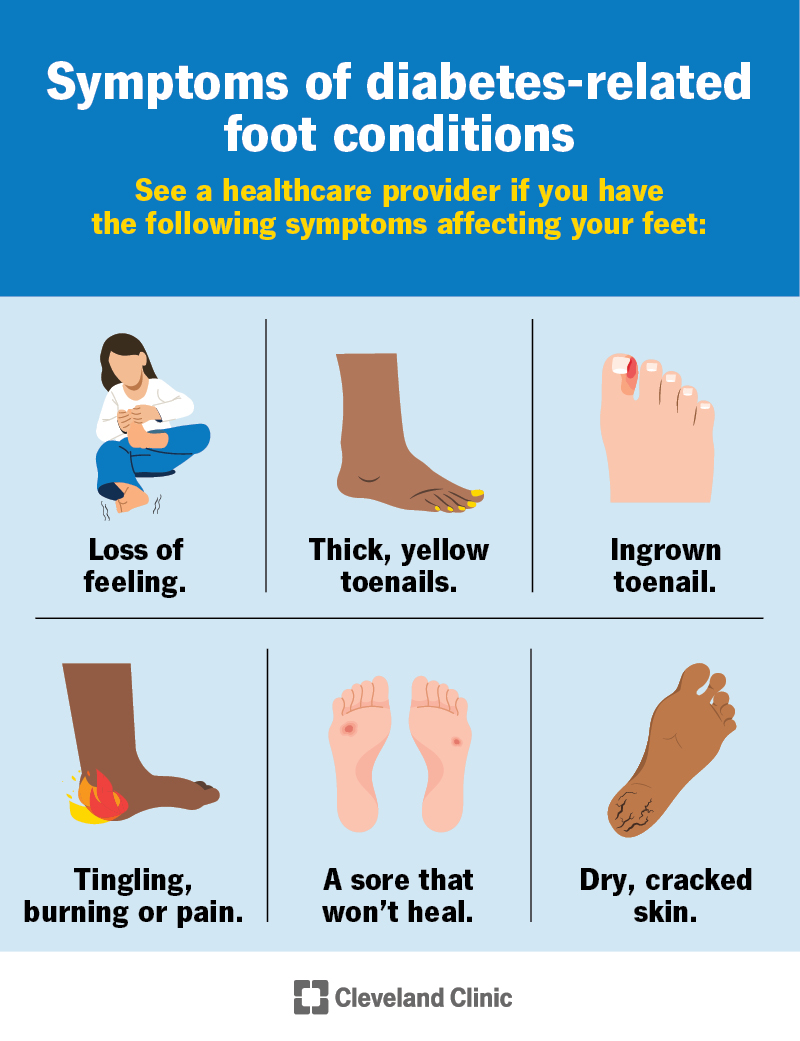

People with diabetes are prone to:
-
Dry skin due to nerve damage (neuropathy)
-
Reduced sweat production
-
Poor circulation
-
Slow wound healing
Cracked heels in diabetic patients can become infected quickly and may lead to serious complications if untreated.
Warning signs include:
-
Numbness
-
Tingling
-
Non-healing wounds
-
Redness or swelling
2. Hypothyroidism

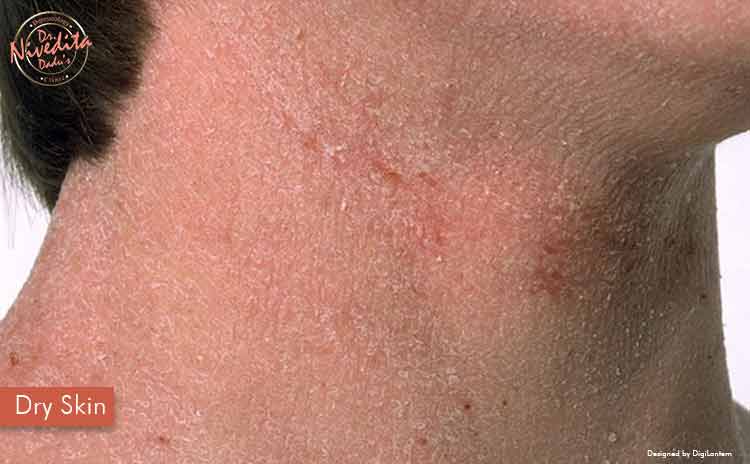

An underactive thyroid slows metabolism and can cause:
-
Dry, coarse skin
-
Thickened heels
-
Brittle nails
-
Fatigue
-
Weight gain
If cracked heels occur alongside these symptoms, thyroid testing may be appropriate.
3. Eczema or Psoriasis
Chronic skin conditions may cause:
-
Thick scaling
-
Deep painful cracks
-
Redness
-
Itching
Psoriasis in particular can affect the soles of the feet and create fissures that resemble severe dryness.
4. Fungal Infections


Athlete’s foot can lead to:
-
Peeling skin
-
Cracking
-
Itching
-
White or flaky patches
If cracks are accompanied by itching or spreading rash, fungal infection may be the cause.
5. Circulatory Problems
Poor blood flow can result in:
-
Dry skin
-
Slow healing
-
Cold feet
-
Color changes
Circulation issues are more common in older adults and individuals with cardiovascular disease.
Signs You Should Not Ignore
Seek medical advice if you notice:
-
Deep cracks that bleed
-
Signs of infection (redness, warmth, pus)
-
Persistent cracks despite regular moisturizing
-
Numbness or tingling
-
Swelling or discoloration
-
Cracks that take weeks to heal
Especially important for individuals with diabetes.
How to Care for Cracked Heels Properly


Basic care includes:
-
Daily moisturizing using creams with urea, lactic acid, or salicylic acid
-
Gentle exfoliation with a pumice stone
-
Wearing cotton socks overnight
-
Avoiding open-back footwear
-
Keeping feet clean and dry
If symptoms persist beyond 2–3 weeks, consult a healthcare professional.
The Bigger Picture
Cracked heels alone rarely indicate a life-threatening condition. However, when they are:
-
Severe
-
Painful
-
Recurrent
-
Associated with other symptoms
they may reflect an underlying health issue requiring evaluation.
Your skin is often one of the first places systemic conditions show up.
Final Thoughts
Most cracked heels are simply a result of dryness and pressure. But if the condition becomes persistent, painful, or slow to heal, especially in individuals with diabetes or thyroid disorders, it deserves attention.
Small changes in the body can carry meaningful information. Paying attention early helps prevent complications later.
If in doubt, a pharmacist or healthcare provider can guide you toward appropriate treatment or further testing.
Healthy feet support a healthy body — don’t overlook them.